Money Psychology
September 18, 2026


At first glance, a scarcity mindset and a survival mindset may seem identical.
Both are rooted in not having enough. Both shape how people think about money. Both can make someone cautious, anxious, or highly intentional with spending.
But a scarcity mindset and a survival mindset are not the same thing.
Confusing them creates a subtle but important problem. It can lead to judging people who are simply coping, as well as misunderstanding your own financial behaviour.
Read also: 7 ways to stop stressing over money
A survival mindset is a response to reality.
It emerges when resources are genuinely limited, and the stakes are high. In this state, you are not imagining risk; you are managing it in real time.
Your focus naturally shifts toward immediate needs. Stability becomes more important than growth. Certainty matters more than opportunity. Decisions are shaped by what must be handled now, not what might pay off later.
If your income is inconsistent, your expenses unpredictable, or you have people depending on you, this mindset is not fear-driven. It is practical. It is necessary.
You prioritise what keeps things running. That is not a limitation. It is a form of discipline shaped by circumstance.
A scarcity mindset is different.
It is not always tied to what is currently happening. Instead, it is a pattern of thinking that persists even when the situation has improved.
At its core, it is a lingering belief that there will never be enough. Enough money, enough security, enough opportunity.
Because of that belief, you may find yourself holding back even when you have room to move forward. You may hesitate to invest, struggle to spend without guilt, or constantly feel behind despite making progress.
This mindset is often shaped by past experiences. Growing up around financial instability, watching money disappear quickly, or learning early on that security can be fragile can leave a lasting imprint.
Even when the numbers change, the feeling does not.
From the outside, both mindsets can look the same.
Two people might make identical financial choices. Both may avoid unnecessary spending. Both may appear risk-averse. Both may seem overly cautious.
But the reasoning behind those choices is completely different.
One person is responding to a real and present constraint. The other is responding to a fear that no longer fully reflects their reality.
Without understanding that difference, it becomes easy to give the wrong advice. Someone in survival mode may be encouraged to “take more risks” or “start investing,” even when their situation does not support it. At the same time, someone operating from scarcity may believe they are simply being responsible, when in fact they are holding themselves back.
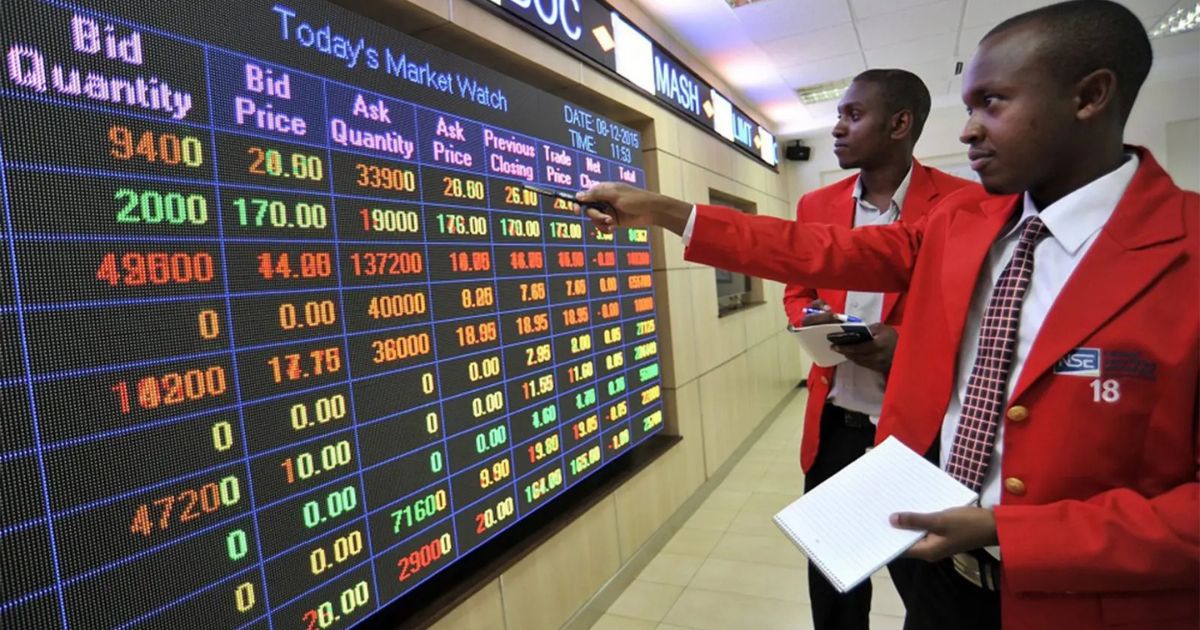
Read Also: How to Start Investing in the Kenyan Stock Market: A Beginner’s Guide
The shift happens quietly. Your situation begins to improve, but your thinking remains anchored in past conditions. You start earning more, but still operate as if everything could fall apart at any moment.
Opportunities that require calculated risk feel uncomfortable. Long-term planning feels uncertain. Growth feels less important than maintaining control.
What once protected you begins to limit you.
This is how a survival mindset can gradually turn into a scarcity mindset. Not because you were wrong before, but because your environment changed and your internal response did not fully adjust.
Misunderstanding the difference has consequences.
If you mistake survival for scarcity, you may push yourself too early. You may take on risks that increase stress instead of reducing it. You may stretch yourself financially in ways that are not sustainable.
On the other hand, if you mistake scarcity for survival, you may remain stuck longer than necessary. You may avoid opportunities you are actually ready for. You may continue operating defensively when you now have space to grow.
In both cases, the issue is not the behaviour itself, but whether it matches your current reality.
The goal is not to eliminate caution or suddenly take risks. It is to understand where your decisions are coming from.
Are they shaped by what is happening now, or by what has happened before? If your situation improved, would your behaviour change, or would it stay the same? Are you protecting yourself, or holding yourself back?
These are not simple questions, but they create clarity. And clarity allows for better decisions.
Read Also: 9 Financial Topics You Need An Understanding Of
A scarcity mindset and a survival mindset may look similar, but they come from very different places.
One is grounded in present conditions. The other lingers from past experiences.
Understanding the difference is not about labelling yourself. It is about recognising what is driving your decisions.
Because once you understand that, you can decide what still serves you—and what no longer does.
.png)


Join 1.5M Kenyans using Money254 to find better loans, savings accounts, and money tips today.


Money 254 is a new platform focused on helping you make more out of the money you have. We've created a simple, fast and secure way to find and compare financial products that best match your needs. All of the information shown is from products available at established financial institutions that our team of experts has tirelessly collected.








.jpg)