Money Psychology
September 18, 2026


Modern life has been engineered for ease. With a few taps on your phone, you can order dinner, book a ride, pay bills, shop for clothes, and even invest your money.
Convenience is no longer a luxury, it’s the default. But beneath this frictionless lifestyle lies a quiet trade-off: the easier life becomes, the more expensive it tends to be.
Convenience doesn’t just save time. It subtly reshapes how we think about money, often making us spend more than we realise.
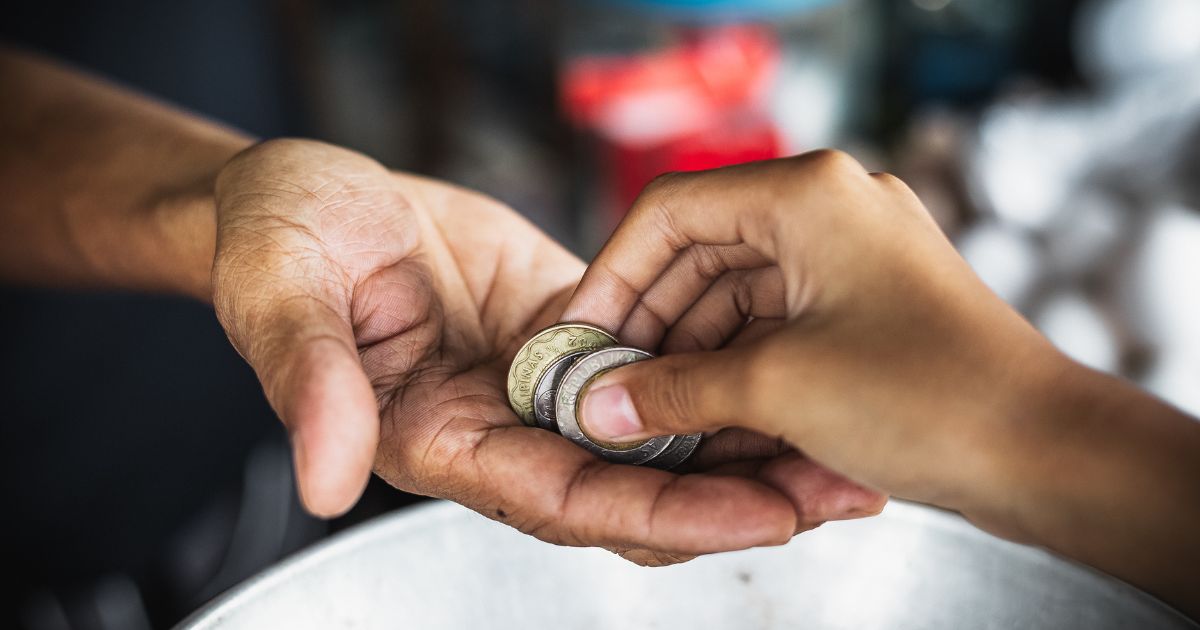
Convenience thrives on small, frequent payments. A delivery fee here, a service charge there, a subscription quietly renewing in the background. Individually, these costs feel insignificant. But over time, they accumulate into a meaningful drain on your finances.
For example, paying Ksh200 for food delivery might not feel like much at the moment. But if you do it three times a week, that’s over Ksh30,000 a year; money that could have gone toward savings or investment.
Convenience works best when the cost feels invisible.
The core promise of convenience is simple: save time. And in many cases, it delivers. But we rarely stop to ask whether the time saved is worth the money spent.
Paying for a ride instead of taking public transport, buying cut sukumawiki or spinach at the mama mboga stall instead of preparing them yourself, or choosing a more expensive shop because it’s closer. These decisions often feel justified. After all, time is valuable.
But not all time saved is used productively. Sometimes, we’re paying for convenience only to spend the “saved” time scrolling through social media or watching TV. In those cases, we’re not just spending money, we’re wasting both resources.
In the past, spending money involved friction. You had to carry cash, count it, and physically hand it over. That process created a moment of pause, a chance to reconsider.
Today, digital payments have removed that friction. Mobile money, tap-to-pay, and one-click checkouts make spending almost effortless. And when something feels effortless, we tend to do more of it.
This is why you might hesitate to spend Ksh5,000 in cash but think nothing of it when paying through your phone.
Modern convenience often comes in the form of subscriptions: streaming services, apps, delivery memberships, cloud storage, and more. Each one promises value, and many deliver it.
The problem is accumulation. You might be paying for five or six services you barely use. Because the payments are automatic, they don’t demand your attention. They quietly chip away at your income every month.
Convenience here isn’t just about ease, it’s about forgetfulness. And forgetfulness is expensive.
As your income grows, convenience becomes more accessible. You start outsourcing tasks you once did yourself like cleaning, cooking, errands. It feels like progress, and in some ways, it is.
But this shift often leads to lifestyle inflation. What begins as an occasional convenience becomes a permanent expense. You adjust your baseline. Soon, what once felt like a luxury becomes a necessity.
The danger is that your spending grows just as fast as your income, sometimes faster.
Convenience doesn’t just make spending easier, it makes impulsive spending more likely.
When you can order something instantly, the gap between desire and action disappears. There’s no time to reconsider, compare prices, or ask whether you really need the item.
That late-night craving, that flash sale, that trending product you can act on immediately. And often, you do.
Convenience turns moments of weakness into financial decisions.
Not at all. Convenience can be incredibly valuable when used intentionally. It can save time, reduce stress, and even improve your quality of life. For busy professionals, parents, or entrepreneurs, paying for convenience can be a smart trade-off.
The key is awareness. You should be choosing convenience, not drifting into it.
If convenience is costing you more than you’d like, small adjustments can make a big difference:
.png)


Join 1.5M Kenyans using Money254 to find better loans, savings accounts, and money tips today.


Money 254 is a new platform focused on helping you make more out of the money you have. We've created a simple, fast and secure way to find and compare financial products that best match your needs. All of the information shown is from products available at established financial institutions that our team of experts has tirelessly collected.








.jpg)




.jpeg)