Money Management
October 16, 2026


At the end of the year, as festivities wind down, many households will be feeling the pressure of a new school calendar.
Back-to-school budgeting is no longer just about paying fees and buying uniforms. Government policy shifts, inflation, and new learning structures mean that education costs in 2026 will demand more planning than many parents anticipate.
Whether you have a child sitting national exams or one transitioning into a new grade, here are four academic costs you should deliberately factor into your 2026 household budget.
Also Read: Kenya's Private Schools Boom as Owners Embrace New Financing
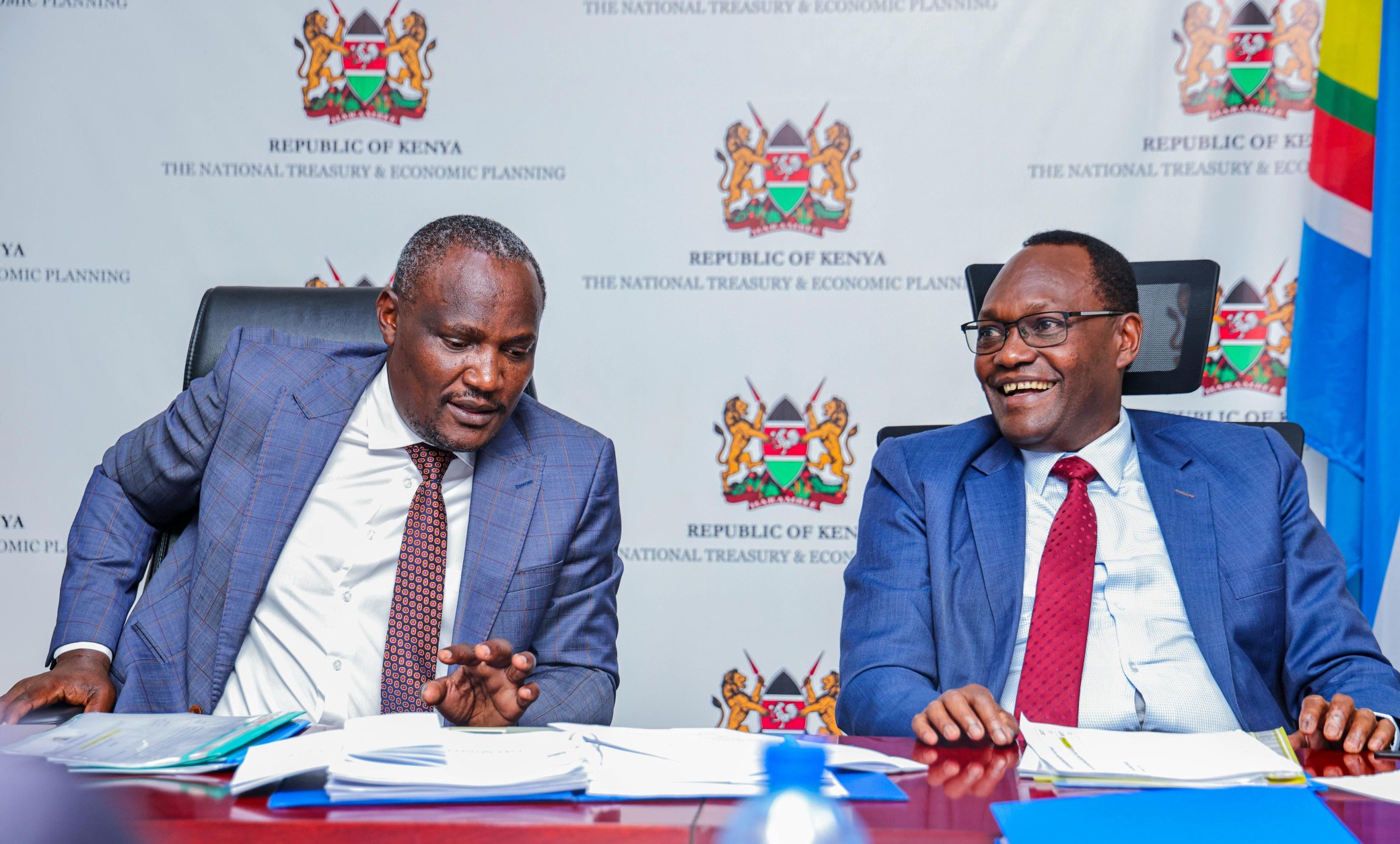
In May 2025, Treasury Cabinet Secretary John Mbadi announced that the government was considering scrapping the subsidy that was supporting the payment of exam fees for candidates sitting their national examinations.
Consequently, when reading the 2025/2026 budget, Mbadi revealed that the government would consider introducing a new model to subsidize the fees of needy students only. Therefore, parents who do not meet the set criteria will have to shoulder the additional costs.
Before the introduction of the subsidy programme in 2015, parents would pay close to Ksh5,000 for students sitting for KCSE.
Exam fees typically fall due months before exams are administered, often clashing with other high-expense periods such as Term Two fees, revision programs, and holiday tuition. For households that had grown accustomed to subsidized examinations, this new cost will feel sudden and heavy.
Parents with candidates should therefore start setting aside money early in 2026, even if schools have not yet issued fee circulars.
Also Read: When Should You Start Saving for School Fees? Lessons from 3 Parents With Very Different Stories
For parents with children joining Grade 10 in 2026, budgeting must go beyond routine school fees. The transition into senior secondary comes with a fresh set of costs.
First, there are new school fee structures: Ksh53,554 ( for boarding schools), Ksh9,373 (for day schools), and Ksh37,210 (for special needs).
Second, textbooks and learning materials will also be bought for learners joining the Senior Secondary Schools. Already, the Kenya Institute of Curriculum Development (KICD) issued textbook materials set to be used in the new classes, with the prices ranging from Ksh400 to Ksh900
Uniforms will change depending on the institution, given that the students will be joining high schools across the country. The students are expected to be placed in schools by December 25 and report to school on January 12, 2026.
Also Read: How to Financially Prepare for Your Children’s Long December Holiday
Another growing pressure point for parents will be the shift toward full upfront school fees payment. Increasingly, schools are demanding that parents clear term fees in full at the beginning of the term, rather than allowing installments spread across several months.
This change has been driven partly by delays in the release of government capitation, which have become more common as audits of schools continue. Therefore, to keep operations running, schools are transferring the pressure to parents.
For families used to spreading costs over a term, this can cause cash flow problems in January, a month already strained by holiday spending and rising living costs.
Parents are therefore advised to plan for the complete first-term payment before schools reopen.
Fee amounts can usually be verified in the end-of-term circulars issued to students in Term Three, making it possible to plan in advance rather than react in January.
Also Read: Saving For Your Child's School Fees: Education Insurance Policy vs MMFs
Each year, schools convene Annual General Meetings (AGMs) toward the end of Term Three, during which additional development fees are often approved.
These contributions may be directed toward construction projects, facility upgrades, or motivation programs for teachers and students. While development fees are meant to enhance learning, they also add quietly to the overall cost of education.
In many cases, these charges are not negotiable and are bundled into the total fees communicated through end-of-term circulars. Parents who overlook these notices often find themselves surprised when schools reopen.
For 2026, households should carefully read all end-of-year communication from schools and factor approved development fees into their budgets early.
Beyond the direct academic costs, parents should also prepare for transport inflation in January, when fare increases often follow fuel price adjustments. School items such as stationery, bags, and shoes also tend to rise in price at the start of the year due to increased demand.
The common thread across all these costs is timing. The secret to managing education expenses in 2026 is starting early.
.png)


Join 1.5M Kenyans using Money254 to find better loans, savings accounts, and money tips today.


Money 254 is a new platform focused on helping you make more out of the money you have. We've created a simple, fast and secure way to find and compare financial products that best match your needs. All of the information shown is from products available at established financial institutions that our team of experts has tirelessly collected.