News and Analysis
October 22, 2026


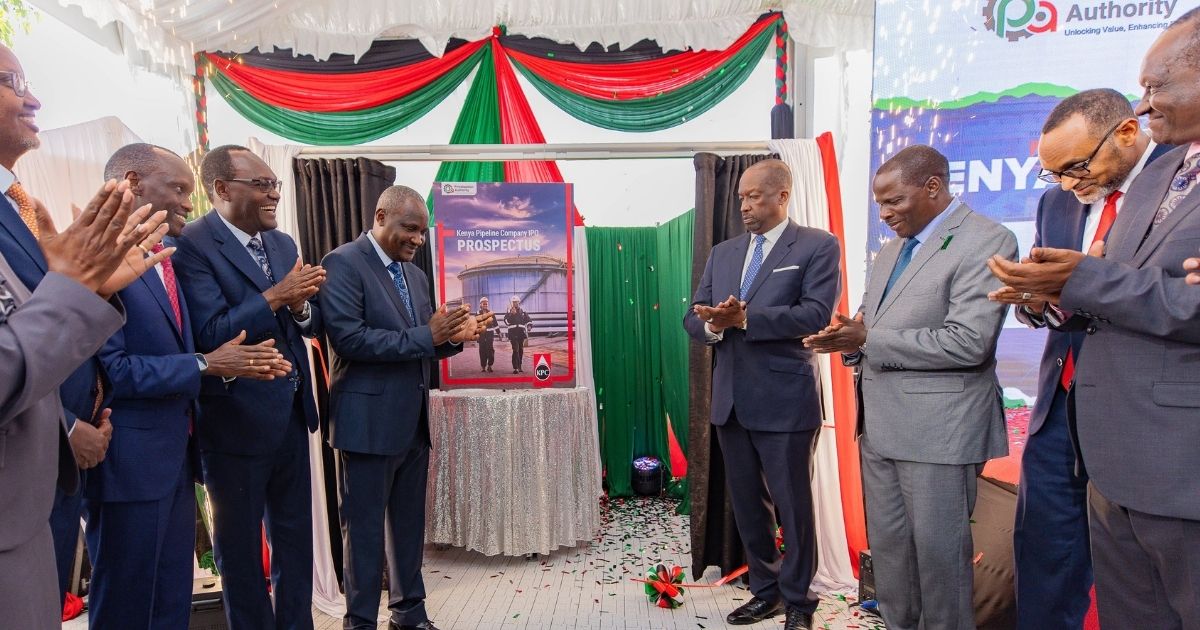
Welcome to the Money News Roundup. Today, we cover claims that state-owned corporations were pressured to invest in the Kenya Pipeline Company (KPC) IPO to prevent the offer from failing. We also look at KUSCCO shareholders' decision to approve the union's liquidation amid liabilities of Ksh17 billion.
State agencies and pension funds were pressured to invest in the Kenya Pipeline Company (KPC) IPO after weak demand from private investors.
According to a report by the Business Daily, cash-rich parastatals and state-backed funds were instructed to raise funds by February to buy shares after the IPO.
The publication reported its sources to be parastatals CEO and dealers who were involved in the IPO.
One of the CEOs indicated that the parastatal had not planned to invest in the IPO. However, after receiving instructions, they had to.
The largest investors of the IPO were National Social Security Fund (NSSF) at Ksh38.5 billion, Ugandan government (Ksh33 billion), Public Servants Pension Scheme (Ksh13 billion), County Workers Pension Fund (Ksh3.6 billion) and Unclaimed Financial Assets Authority (Ksh3.2 billion),
Pension funds linked to Kenya Power, KPC and Kenya Ports Authority also participated. The IPO eventually raised Ksh112 billion, achieving a 105.7% subscription rate despite limited interest from retail, foreign and oil-sector investors.
Shareholders of the Kenya Union of Savings and Credit Cooperatives (KUSCCO) have approved the liquidation of the troubled institution after an audit revealed liabilities of Ksh17 billion against assets of just Ksh5.4 billion.
As reported by the Star, the decision was made during a special general meeting convened by Commissioner for Co-operatives David Obonyo.
An audit by Grant Thornton found KUSCCO insolvent and estimated it would require Ksh14 billion to restore operations.
KUSCCO is also facing 291 court cases from SACCOs seeking recovery of over Ksh16 billion in deposits and interest. The current board has recovered only Ksh77 million from debtors since 2024.
Shareholders also approved the formation of the Kenya Federation of Savings and Credit Co-operatives (KEFESCCO) as a successor body.
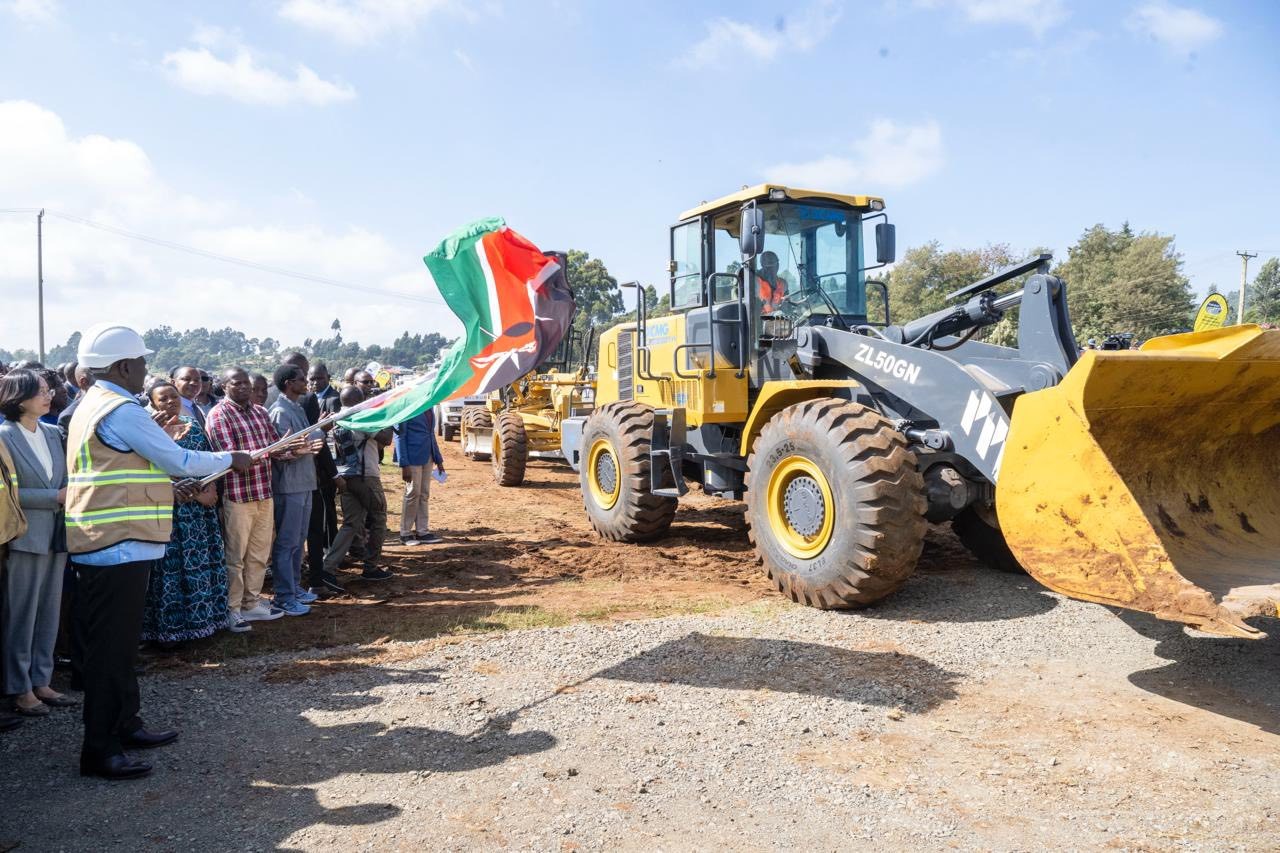
The contractor building the Ksh200 billion Rironi-Mau Summit highway says tarmacking of the Rironi-Naivasha section will be completed by December, offering relief to motorists affected by chronic traffic congestion.
As reported by the Star, the 233-kilometre project, being undertaken by China Road and Bridge Corporation (CRBC), is aimed at expanding the Northern Corridor and improving cargo and passenger movement.
Project manager Eric Yu said works on the Rironi-Naivasha-Gilgil section are 80% complete and will include solar-powered infrastructure generating up to three million watts.
KeNHA's Director for Public-Private Partnerships Charles Omolo said the broader highway project costing Ksh192 billion is 20% complete and remains on track for completion by June next year.
Members of the Kenya Aviation Workers Union (KAWU) have gone on strike at the Kenya Civil Aviation Authority (KCAA), Kenya Airports Authority (KAA) and Jambojet, disrupting normal operations at airports.
As reported by Citizen Digital, KAWU Secretary General Moss Ndiema said workers would not resume duty until outstanding disputes are resolved.
The strike follows the collapse of a July agreement brokered by Transport CS Davis Chirchir that had suspended a planned walkout and allowed negotiations between the union and employers.
At KCAA, the union is demanding salary arrears dating back to 2015. KAWU is also seeking the removal of KAA Managing Director Moses Wekesa and wants Jambojet to recognise the union. KAA has warned passengers of flight delays and advised travellers to confirm schedules with airlines.
Kenyan YouTubers will be required to provide their KRA Personal Identification Numbers (PINs) to Google by October 1, 2026, following the introduction of a 5% withholding tax on YouTube earnings.
As reported by K24, Google notified creators through AdSense accounts that it is required under Kenya’s Income Tax Act to deduct and remit the tax on earnings paid to creators based in Kenya.
The deduction will begin with September 2026 earnings, which will be paid in October.
Google noted that applicable US taxes may also be deducted depending on individual tax circumstances.
Limuru Tea Plc reduced its half-year pre-tax loss by 4.8% to Ksh21.14 million despite a 23% rise in revenue to Ksh69.91 million and a 14% increase in made-tea production to a record 492 tonnes.
The listed tea producer generated 2,212 tonnes of green leaf during the period.
Management attributed the improved performance to relatively stable tea prices, although rising labour costs continued to weigh on profitability. The company has recorded pre-tax losses in nine of the last 10 first halves since 2017.
Limuru said it will continue cost-control and quality-improvement measures and did not declare an interim dividend.
Oil prices have risen following a US attack on Iran’s Larak Island, adding to concerns about global oil supplies.
According to Daily Nation, US West Texas Intermediate crude increased 2.55 per cent to Ksh11,073 ($85.53), while Brent crude futures increased 2.85 per cent to Ksh11,727 ($90.61) per barrel.
About a fifth of the world's oil supplies typically flow through the Strait of Hormuz, so the strike and Iran's response have sparked new worries about oil shipments through the canal.
As the dispute continues, traders are keeping an eye on US-Iranian developments and the potential for more disruptions to oil supplies, which has led to an increase in global oil prices.
Also in the News
.png)


Join 1.5M Kenyans using Money254 to find better loans, savings accounts, and money tips today.


Money 254 is a new platform focused on helping you make more out of the money you have. We've created a simple, fast and secure way to find and compare financial products that best match your needs. All of the information shown is from products available at established financial institutions that our team of experts has tirelessly collected.