News and Analysis
November 23, 2026


Hello and welcome to the Money News Roundup. Today, we look at how taxpayers could shoulder Ksh5 billion in Nairobi Expressway losses. We also explore the billions gained by Family Bank investors since its NSE listing.
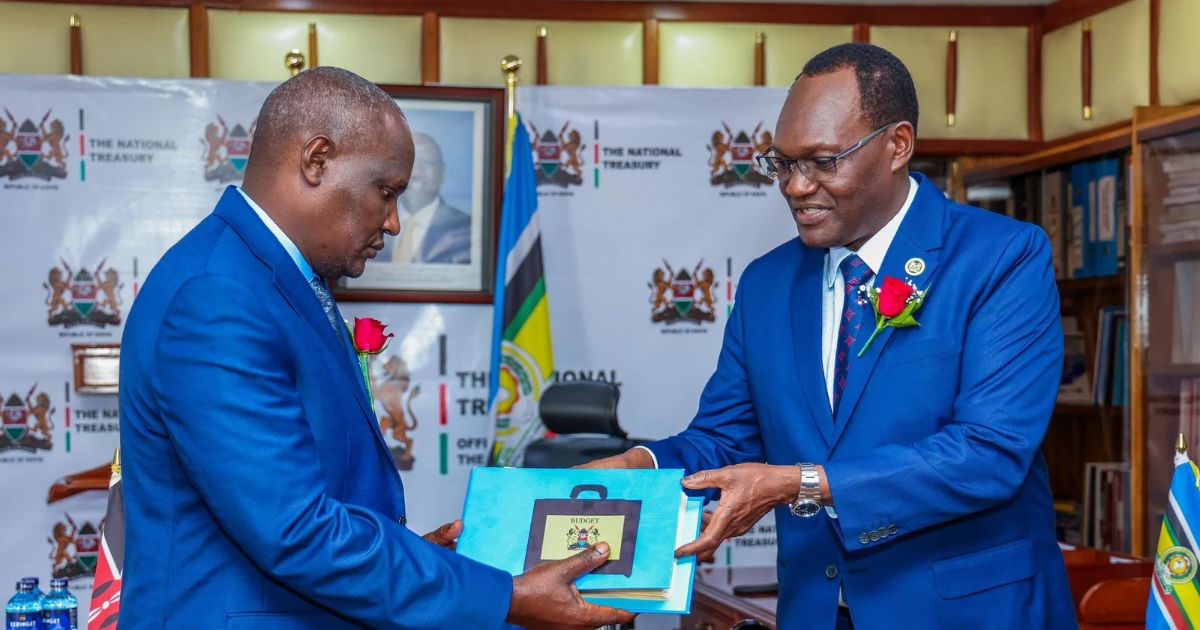
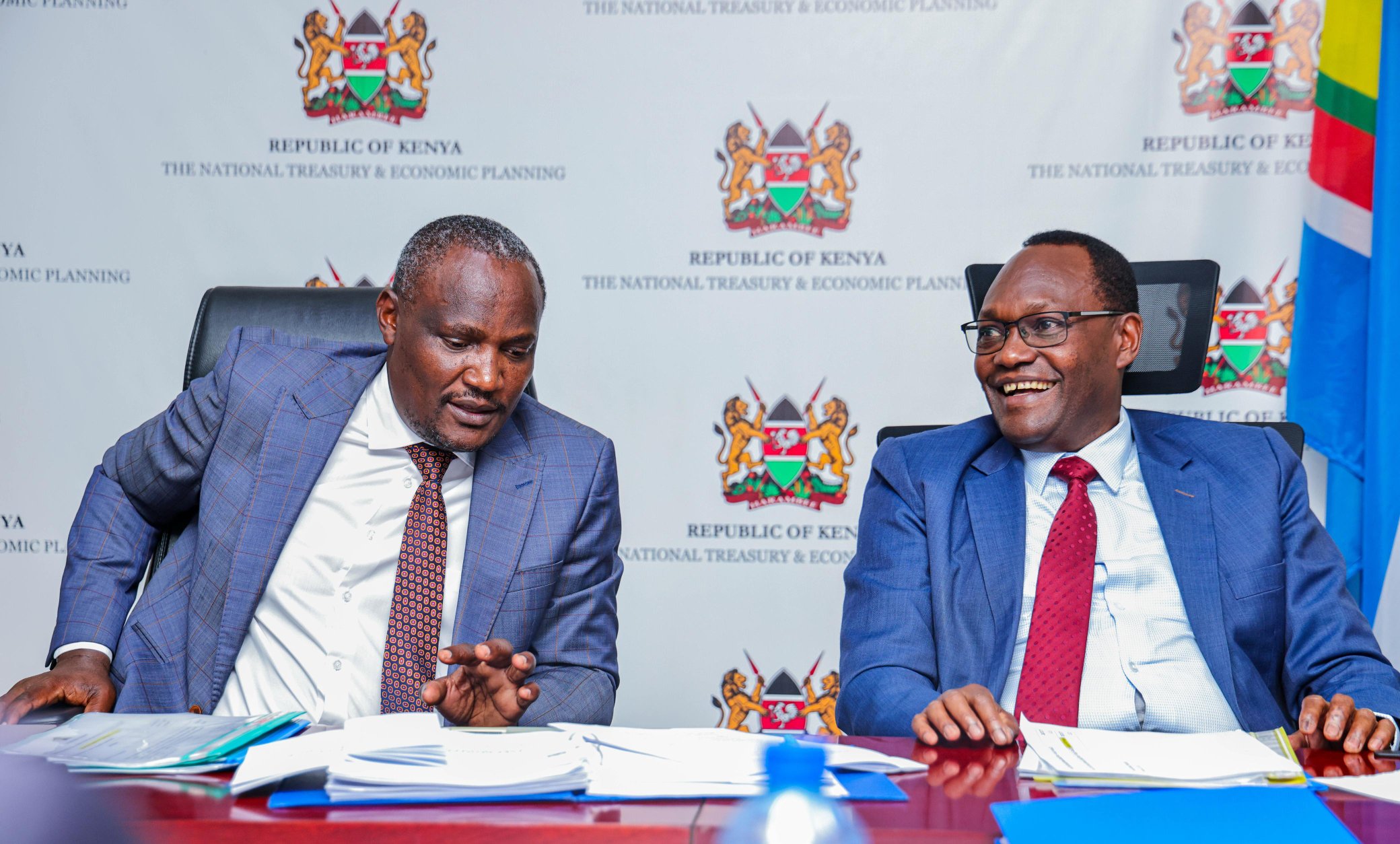
National Treasury Principal Secretary Chris Kiptoo has told Parliament that Ksh5 billion in revenue shortfalls reported on the Moja Expressway will have to be covered through a Supplementary Budget.
As reported by the Star, Kiptoo made the disclosure before the Departmental Committee on Finance and National Planning, which demanded an explanation over the shortfall and how it would be funded.
The committee, chaired by Kimani Kuria, raised concerns that taxpayers could bear the financial burden and demanded independent audits of revenue figures submitted by private concessionaires.
Kiptoo promised to submit a detailed audit trail, outlining verification procedures, safeguards and measures to address the shortfall.
The Nairobi Expressway recorded a Ksh5 billion loss in 2025 as operating expenses exceeded revenue despite a sharp increase in traffic. National Treasury disclosures show that the 27.1-kilometre highway generated Ksh9.62 billion in revenue against operating costs of Ksh14.73 billion.
The road, constructed at an estimated cost of Ksh86.8 billion, is operated by Moja Expressway, a subsidiary of China Road and Bridge Corporation (CRBC), under a 27-year concession.
Daily traffic increased to an average of 245,333 vehicles in the three months to December 2025, up from approximately 70,000 in 2024.
CRBC expects to make Ksh106.8 billion in profits over the concession period before handing over the highway to the government. Motorists currently pay between Ksh170 and Ksh500 depending on distance and vehicle type.
Family Bank shareholders have gained Ksh13.63 billion in paper wealth in five months since the lender listed on the NSE, following a 46% appreciation in its share price.
As reported by the Business Daily, the bank's shares have risen from the listing price of Ksh18 to Ksh26.20, pushing its market value from Ksh29.92 billion to Ksh43.56 billion.
The number of shareholders has also increased from 6,419 at listing to 14,091, following an influx of retail investors.
The Kenya Tea Development Agency (KTDA), the bank's largest single shareholder with an 18.98% stake, has seen its investment gain Ksh2.59 billion to Ksh8.27 billion.
Meanwhile, founder Titus Muya and his associates have gained Ksh4.86 billion, taking their combined stake's value to Ksh15.54 billion.
The rally has been supported by strong demand following a 68.7% jump in nine-month net profit to Ksh6.07 billion.
The Council of Governors (CoG) has directed county health facility managers to disregard an order by Medical Services Principal Secretary Ouma Oluga to remove Paybill numbers, arguing that it violates the constitutional autonomy of county governments.
As reported by Citizen Digital, CoG chairperson and Tharaka Nithi Governor Muthomi Njuki said counties must retain lawful payment channels for services not covered by the Social Health Authority (SHA).
Njuki said governors support free treatment for services fully covered by SHA but noted that some patients lack coverage while other services fall outside the approved benefits package.
He added that delayed, rejected and insufficient SHA reimbursements have strained hospitals, forcing them to rely on direct payments to meet operational costs.
I&M Group PLC has reported a 24% increase in profit after tax to Ksh15.8 billion for the nine months ended September 2026, up from the previous year.
The lender's total operating income grew 20% to Ksh51.7 billion, while profit before tax increased 17% to Ksh20.8 billion.
The Group's total assets expanded 26% to Ksh807 billion, supported by a 25% growth in customer deposits to Ksh570 billion.
Meanwhile, net loans and advances increased 18% to Ksh357 billion, while non-performing loans declined to Ksh29 billion from Ksh33 billion.
Following the performance, the board approved an interim dividend of Ksh1.75 per share, translating to a total payout of Ksh3.045 billion.
I&M Bank Kenya, the Group's largest market, recorded a 9% increase in profit before tax to Ksh13.6 billion. Operating income grew 14% to Ksh33.4 billion, while total assets increased 23% to Ksh539 billion.
The Postal Corporation of Kenya (PCK) plans to hand over 300 loss-making branches to the government in a restructuring exercise aimed at cutting annual expenses by Ksh1 billion.
As reported by the Nation, the government will transform the branches into digital hubs and last-mile distribution centres offering services such as Good Conduct certificate applications, pension payments and other government services.
PCK CEO John Tonui said approximately 600 employees will be absorbed into the restructured entities, with no immediate job losses expected.
The plan is part of broader turnaround efforts as Posta faces declining letter volumes and competition from private courier operators. Other measures include selling dormant assets and seeking a strategic partner for its courier and financial services divisions.
Employers still owe public servants Ksh5.2 billion in unpaid pension contributions, despite a 51% reduction in arrears during the year ended June 2026.
As reported by the Star, the Public Service Superannuation Fund (PSSF) disclosed that outstanding contributions declined from Ksh10.61 billion in June 2025, warning that delayed remittances deny members investment returns.
PSSF CEO Jonah Aiyabei said late payments mean contributions are invested later, reducing potential earnings for retirees.
Meanwhile, the fund's net assets available for benefits grew 41.6% to Ksh343.81 billion, while investment income increased 42.5% to Ksh33.49 billion.
Kenya's Pesalink has attained basic inclusivity status after introducing merchant payments and integrating mobile money operators into its network.
As reported by the Business Daily, the milestone, announced by AfricaNenda Foundation, places Pesalink among 31 instant payment systems in Africa that have achieved the minimum inclusivity classification.
The new service allows customers to pay businesses directly through bank accounts, Saccos and mobile money platforms using till numbers, paybills and QR codes.
Pesalink previously supported mainly person-to-person, government and business-to-business transactions.
However, the classification means it still has progress to make in affordability, adoption and accessibility before achieving full inclusivity maturity.
Also in the News


Join 1.5M Kenyans using Money254 to find better loans, savings accounts, and money tips today.


Money 254 is a new platform focused on helping you make more out of the money you have. We've created a simple, fast and secure way to find and compare financial products that best match your needs. All of the information shown is from products available at established financial institutions that our team of experts has tirelessly collected.