Money Psychology
October 28, 2026


For months or even years, someone may work towards buying a car, purchasing a plot of land, building a house or acquiring their first home. They set savings targets, make sacrifices and patiently watch their money grow, looking forward to the day they can finally afford what they have been working towards.
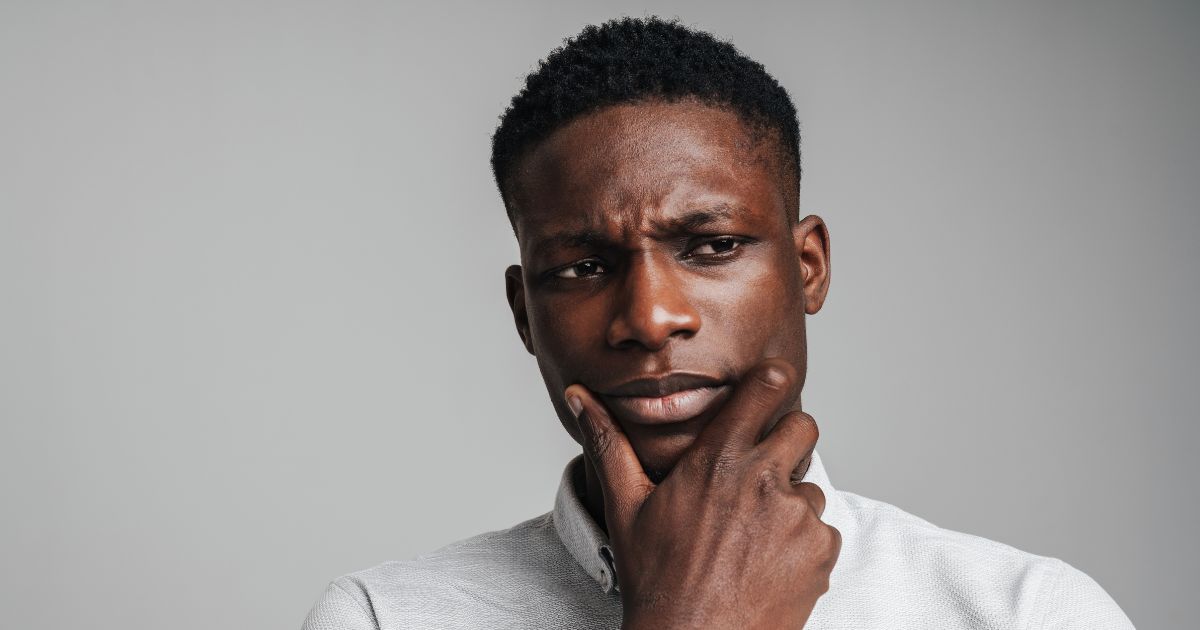
However, when that moment arrives, something unexpected can happen. Instead of feeling excited, they begin questioning their decision. They wonder whether they are paying too much, whether they should postpone the purchase or whether the money would be better used elsewhere.
This hesitation is not necessarily a sign that someone has changed their mind. Several psychological factors can explain why making a big purchase can suddenly feel uncomfortable, even when someone has spent years preparing for it.
Also Read: Why Some People Talk About Their Investments & Savings Openly While Others Don't
One of the strongest explanations is loss aversion, a behavioural finance concept which suggests that people tend to experience the pain of losing something more intensely than the pleasure of gaining something of equivalent value.
While saving towards a financial goal, someone may feel encouraged every time their account balance increases. Watching Ksh500,000 grow to Ksh700,000 and eventually Ksh1 million can create a sense of achievement and financial security.
However, when they are about to spend that Ksh1 million on a car or plot of land, their perspective can change.
Instead of focusing on what they are acquiring, they begin thinking about the money they are about to lose. They may start wondering whether spending the entire amount is worth giving up the financial cushion they have built.
Big purchases often involve long-term commitments, making people more conscious of the possibility of making mistakes.
For example, someone who has saved for three years to buy land may begin questioning the location, the price, the accessibility or the property's future value when they are finally ready to pay.
They may wonder whether they should wait for a better deal or whether another piece of land would offer greater value. This is linked to decision anxiety and anticipated regret, where people worry about how they might feel if their decision turns out badly.
The more significant the financial commitment, the more consequences people imagine. This can make it difficult to proceed, even after conducting research and making plans.
Also Read: Why Some People Feel Embarrassed to Reveal How Much They Pay in Rent
Sometimes, hesitation comes from recognising that spending money on one thing means giving up the opportunity to use it elsewhere. This is known as opportunity cost.
For instance, someone who has saved Ksh1 million to purchase a car may suddenly start considering what else that money could accomplish.
They might think about starting a business, investing in government securities, increasing their emergency fund or purchasing land instead.
Although they had previously settled on buying a car, having the money ready makes these alternative opportunities feel more immediate.
Another reason is that people can become emotionally attached to the security that comes with having savings.
For someone who has spent years building an emergency fund or accumulating wealth, seeing a substantial balance in their account can provide reassurance.
They know that the money is available if they lose their job, encounter an emergency or face an unexpected expense. Spending a significant amount can therefore create anxiety because it reduces that sense of security.
For example, someone who has accumulated Ksh1.5 million may hesitate to spend Ksh1 million on a car because they fear being left with insufficient savings to handle unexpected expenses.
Sometimes, people spend so much time imagining a purchase that the actual experience feels different from what they expected.
Someone may spend years dreaming about owning a particular car, imagining how it will improve their lifestyle and the satisfaction they will experience.
However, when they finally have enough money to buy it, they may start questioning whether the excitement will last or whether the purchase will deliver the satisfaction they anticipated.
Also Read: The Psychology of Feeling Left Behind When Your Friends Become Successful
Having second thoughts is not always bad. Questioning a major purchase can be a healthy part of financial decision-making.
It allows someone to reconsider the price, assess their financial position, compare alternatives and identify risks they may have overlooked.
However, repeatedly postponing a purchase despite having done adequate research and confirmed its affordability can also prevent someone from achieving important financial goals.
The important distinction is between careful reconsideration and fear-driven hesitation.
A major purchase should not be made simply because someone has spent years saving for it. Equally, they should not abandon a well-considered financial goal simply because spending a large amount of money feels uncomfortable.


Join 1.5M Kenyans using Money254 to find better loans, savings accounts, and money tips today.


Money 254 is a new platform focused on helping you make more out of the money you have. We've created a simple, fast and secure way to find and compare financial products that best match your needs. All of the information shown is from products available at established financial institutions that our team of experts has tirelessly collected.