News and Analysis
November 17, 2026


Hello and welcome to the Money News Roundup. Today, we cover the new timelines for the proposed Zero PAYE Law that could increase workers' take-home pay. We also cover plans by Dangote to increase the IPO allocation after investor demand.
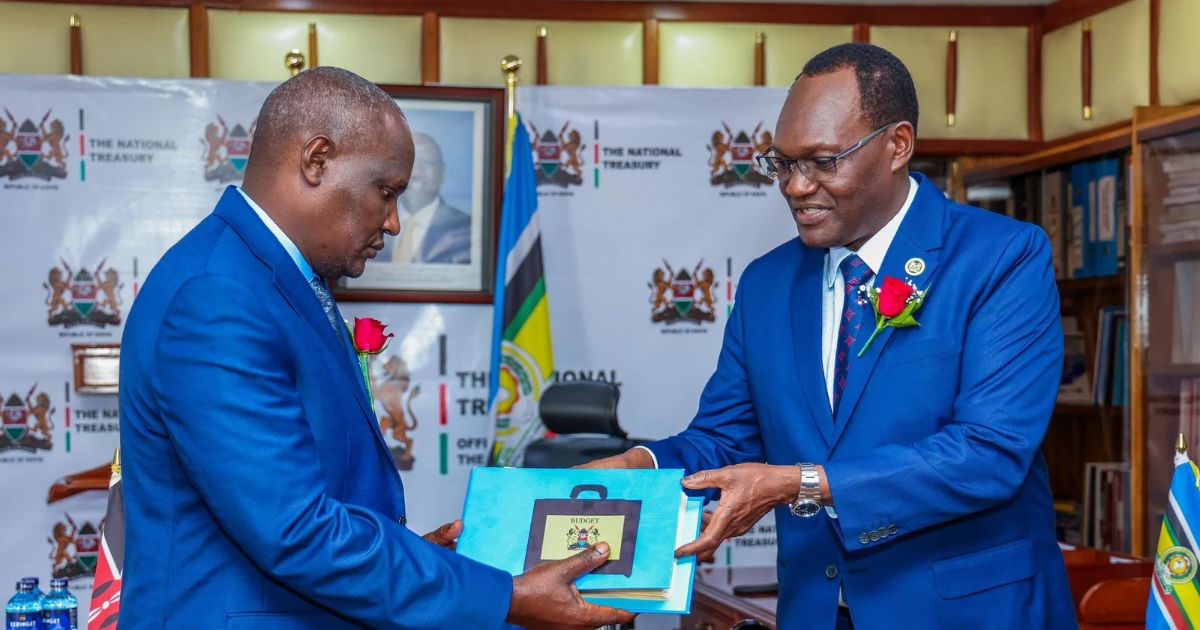
Salaried Kenyans will have to wait until February 2027 for MPs to begin debating the proposed law on zero PAYE tax, with Treasury CS John Mbadi saying the Bill must first be approved by Parliament.
Speaking during a Citizen TV interview on Tuesday, November 17, Mbadi revealed that Treasury had already approved the Bill before forwarding it to the Attorney General for review.
He noted that the review by the AG's office could be completed this week before the Bill is tabled in Parliament.
The CS added that he was targeting to table the Bill next week. However, with the long recess scheduled to begin in the first week of December, MPs will only resume debate on the Bill in February.
According to the National Assembly, MPs will proceed on a long recess from Friday, December 4, 2026, to Monday, January 25, 2027.
Mbadi expressed confidence that MPs would prioritise the Bill when they resume sittings in February 2027.
The proposals seek to raise the monthly PAYE exemption threshold from Ksh24,000 to Ksh32,333. Treasury also plans to scrap the Ksh2,400 monthly personal relief.
Under the proposed changes, salaried workers earning above Ksh32,333 per month will also enjoy an increase in take-home pay of at least Ksh2,083.
Initially, the Bill was expected to be tabled two weeks ago. However, its transmission from Treasury to Parliament has been delayed.
Investors buying shares on the NSE will be required to disclose their sources of funds, residential addresses, and bank statements under proposed anti-money-laundering regulations issued by the Capital Markets Authority (CMA).
As reported by the Business Daily, the proposed guidelines require stockbrokers and fund managers to conduct background checks on new clients and assess their exposure to money-laundering risks.
Politicians, foreign investors, users of nominee accounts and individuals making unusually large trades will face enhanced scrutiny.
Investors who claim to be employed but conduct exceptionally high-volume transactions may be required to provide employer reference letters and professional membership details.
Foreign investors will also need embassy certification, while those from high-risk countries will undergo additional checks.
The CMA says the measures aim to identify suspicious transactions and uncover the beneficial owners of investments.
The proposals come as Kenya seeks to exit the Financial Action Task Force (FATF) grey list, where it was placed in 2024 over concerns about money laundering and terrorism financing.
Nigeria’s Dangote Refinery plans to increase its initial public offering (IPO) by up to 30% to approximately Ksh271 billion (USD2.1 billion) after receiving applications worth Ksh580 billion (USD4.5 billion).
The offer attracted nearly three times the shares initially available.
As reported by Reuters, the refinery now expects to allocate up to 5.33 billion shares, up from the initially planned 4.1 billion, subject to regulatory approval.
Retail investors are expected to receive all the shares they applied for, while local pension funds will get allocations close to their requests. Overseas investors will bear most of the reduction in allocations.
The refinery is expected to list on Nigeria’s stock market later this month, potentially making it one of Africa’s largest IPOs.
Three investment funds under Standard Chartered’s Signature CIO range have received five-star ratings from Morningstar for their historical risk-adjusted performance.
As reported by Capital Business, the Signature CIO Income, Balanced and Growth Funds received the highest rating for their Z share classes as of September 8, 2026.
The Income Fund targets regular income, the Balanced Fund combines income and capital growth, while the Growth Fund focuses on long-term capital appreciation.
Standard Chartered Kenya’s assets under management stood at Ksh343 billion as of June 30, 2026. The funds invest in international equities, fixed income and alternative assets, offering investors diversified global exposure through professionally managed portfolios.
The Nairobi Expressway recorded losses of Ksh5 billion in 2025 as operating costs and debt obligations continued to weigh on its finances despite rising traffic.
As reported by the Business Daily, National Treasury disclosures show the 27.1-kilometre highway generated Ksh9.62 billion in revenue against operating costs of Ksh14.73 billion.
The road, built at an estimated cost of Ksh86.8 billion, is operated by Moja Expressway, a subsidiary of China Road and Bridge Corporation (CRBC), under a 27-year concession.
CRBC expects to earn approximately Ksh106.8 billion in profits over the concession period before handing over the road to the government.
Motorists currently pay between Ksh170 and Ksh500 depending on distance and vehicle type.


Join 1.5M Kenyans using Money254 to find better loans, savings accounts, and money tips today.


Money 254 is a new platform focused on helping you make more out of the money you have. We've created a simple, fast and secure way to find and compare financial products that best match your needs. All of the information shown is from products available at established financial institutions that our team of experts has tirelessly collected.