Auto Loans
September 17, 2026


With the fluctuating and increased prices of fuel, matatu operators face uncertainties over operating costs as maintenance bills continue to eat into profits.
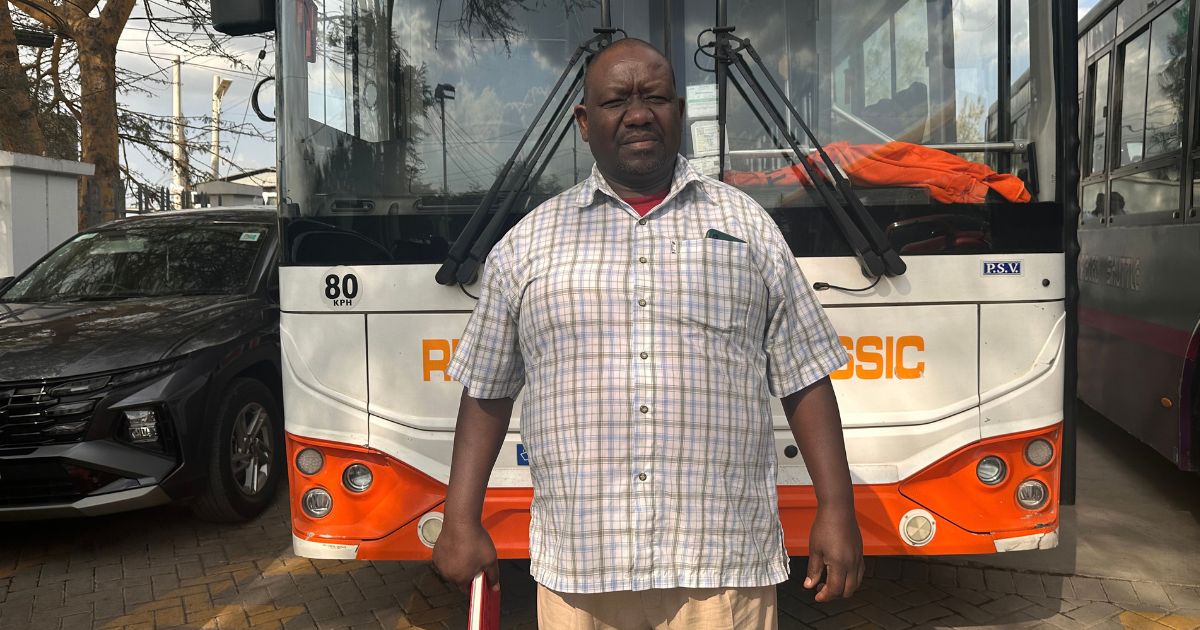
Faced with these realities, Rembo Classic Sacco, a public transport company operating routes within Nairobi and its environs, says its decision to embrace electric buses has significantly improved its profitability while reducing operating costs.
Speaking to Money254.co.ke, the Sacco's chairman, Benson Timothy, explained that the move to adopt electric buses was driven by the simple objective of finding ways to increase profits.
The Sacco currently operates four electric buses that have been leased from electric mobility company BasiGo.
“We went for electric buses because it is cheaper to operate than diesel. Currently, we are operating four buses. These buses are on lease from BasiGo,” he stated.
Also Read: All You Need to Venture into the Matatu Business in Kenya
According to the Sacco chair, the economics of electric buses immediately stood out. While purchasing a 33-seater diesel bus can cost around Ksh7 million, the Sacco opted to lease electric buses at approximately Ksh1.5 million.
Unlike matatus powered by fuel, where owners must cater for regular servicing and repairs, most maintenance responsibilities for the leased electric buses remain with the leasing company.
For diesel buses, maintenance alone can cost around Ksh30,000 every month. In contrast, Timothy says maintenance costs for the electric buses are almost non-existent from the Sacco's perspective.
“With electric buses, the costs are very minimal because we only cater for charging and maybe changing the wheels and those you can do once per year,” he expounded.
Beyond lower operating costs, the Sacco says electric buses generate more revenue.
The electric buses have a seating capacity of 37 passengers compared to 33 seats in the diesel buses. They also accommodate standing passengers, creating additional earning opportunities during peak travel periods.
According to Timothy, a diesel bus typically generates around Ksh10,000 per day, while an electric bus can earn between Ksh15,000 and Ksh20,000 daily.
That translates into a difference of approximately Ksh5,000 every day in favour of electric buses.
Also Read: Hybrid Cars in Kenya: Should You Buy One?
After paying drivers, conductors and other operational expenses, owners of diesel buses typically remain with between Ksh120,000 and Ksh150,000 per month.
For electric buses, the figures are higher. The Sacco pays drivers approximately Ksh45,000 per month and conductors around Ksh30,000 monthly. After these costs are deducted, operators can remain with between Ksh200,000 and Ksh250,000 per month.
This is one of the reasons the Sacco believes electric buses represent the future of public transport.
Also Read: I Bought a Matatu & Made Ksh20,000 on a Good Day, 2 Months Later I Was Broke
The financial benefits are not the only advantage. Timothy points to reduced noise pollution and cleaner air as additional reasons operators should consider transitioning to electric mobility.
Unlike diesel buses, which produce engine noise and exhaust emissions, electric buses operate quietly and produce zero tailpipe emissions.
One concern often raised about electric vehicles is charging time and driving range. According to Timothy, the buses typically require between 30 minutes and one hour to recharge. Drivers often take advantage of lunch breaks to top up the battery before returning to service.
The chairman says the buses can operate for several hours before requiring another charge, allowing them to complete their daily schedules without significant disruptions.
"Technology is changing, and the world is evolving. We need to change. Electric is cheaper compared to diesel, offers a cleaner environment and eliminates noise pollution,” he added.
.png)


Join 1.5M Kenyans using Money254 to find better loans, savings accounts, and money tips today.


Money 254 is a new platform focused on helping you make more out of the money you have. We've created a simple, fast and secure way to find and compare financial products that best match your needs. All of the information shown is from products available at established financial institutions that our team of experts has tirelessly collected.








.jpeg)

.jpg)