Investments
October 23, 2026


In mid-May, the Ugandan government announced plans to issue a Shariah-compliant Sukuk bond in a bid to raise Ksh62 billion to kickstart construction of its section of the Standard Gauge Railway (SGR), which will connect to Kenya’s line terminating in Malaba.
According to CNBC, the Sukuk bond is expected to cover 15% of the SGR’s total cost. Uganda will require an estimated Ksh405 billion to complete the 273-kilometre railway extension.
In this article, we break down what a Sukuk bond is, how it works, and how investors stand to earn returns and recover their principal.
Also Read: What is Amortisation of a Bond & How is It Applied in Kenya? [Plus, an Example]
A Sukuk bond is an Islamic finance certificate that allows governments or institutions to raise capital by giving investors partial ownership in a tangible asset, rather than issuing interest-bearing debt.
Unlike conventional bonds, Sukuk are structured to comply with Islamic (Shariah) principles, which prohibit charging or earning interest.
There are different types of Sukuk structures, including:
Because Sukuk are asset-backed rather than debt-based instruments, they give governments access to alternative funding sources, particularly from the global Islamic finance market and investors seeking Shariah-compliant investments.
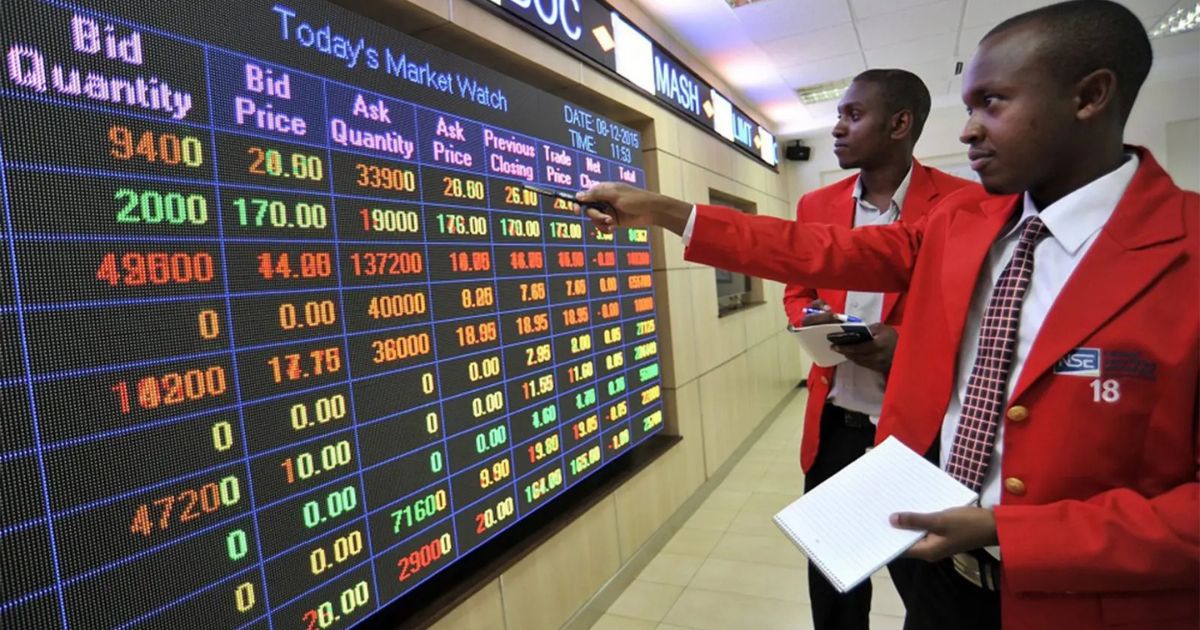
Uganda’s planned Sukuk issuance seeks to raise funds in two segments. About Ksh32 billion will be raised locally, including from neighbouring countries through a listing on the Nairobi Securities Exchange (NSE). The remainder will target international investors.
The move follows Uganda’s operationalisation of Islamic banking in 2023, which laid the groundwork for Shariah-compliant financial products.
Also Read: Can Bonds Pay Your Rent? How Much Investment You Need to Earn Between Ksh15K & Ksh30K Per Month
Both Sukuk and Treasury bonds are used to raise money for infrastructure projects, but they differ significantly in structure and how investors earn returns.
With a conventional Treasury bond, investors effectively lend money to the government for a fixed period, usually between one and 30 years. In return, the government promises to repay the principal plus interest. Investors do not own the underlying asset being financed.
A Sukuk bond works differently. Instead of lending money, investors gain partial ownership in the underlying asset being financed.
In Uganda’s case, investors will own a share of the SGR project through Sukuk certificates issued against the railway infrastructure, whose construction is expected to take seven years.
Unlike Treasury bonds, which rely solely on government repayment obligations, Sukuk are backed by real assets. This means investor returns are tied to actual economic activity.
In conventional Treasury bonds, investors receive interest payments every six months throughout the life of the bond. In Kenya, Treasury bond returns have recently ranged between 11% and 14%.
With a Sukuk bond, investors earn profits or rental income generated by the underlying asset instead of interest.
For Uganda’s SGR Sukuk, returns are expected to come from rental or operational income linked to the railway. Uganda’s recent bonds have averaged returns of around 13%, although this does not guarantee future performance.
For Treasury bonds, the principal amount remains invested for the duration of the bond and is repaid at maturity, ending interest payments.
With Sukuk, investors also recover their principal at maturity. However, repayment typically happens after a Special Purpose Vehicle (SPV), a legally separate entity created to manage the asset, sells the financed portion of the project back to the government.
The SPV oversees the asset on behalf of investors and distributes proceeds accordingly.
Also Read: I Was About to Buy a Plot in Isinya; Then I Realised It Wouldn't Help Me Escape Rent
Sukuk structures generally involve shared risk between the issuer and investors because returns are linked to an underlying asset.
Conventional bonds, on the other hand, place repayment obligations almost entirely on the issuer, regardless of the performance of the financed project.
Note: Under Ugandan law, profits earned from Sukuk investments are classified as interest income and are exempt from income tax.
Sukuk investments must also comply with Islamic principles, meaning they avoid speculative activities and industries considered non-compliant under Shariah law.
According to Uganda’s Ministry of Finance, the SGR Sukuk bond will have a minimum investment requirement of Ush1 million (about Ksh34,307) per Sukuk certificate.
Once listed on the NSE, a wide range of investors will be able to participate, including:
To invest through the NSE, investors will need a CDS account.
Uganda’s SGR project is intended to connect to Kenya’s railway network, which was originally expected to extend to Malaba.
However, Kenya’s SGR stalled in Naivasha, leaving about 350 kilometres unbuilt.
The Kenyan government has since made legal changes allowing it to securitise proceeds from the Railway Development Levy to help finance an extension of the line.
The planned extension is estimated to cost Ksh502.9 billion.
.png)


Join 1.5M Kenyans using Money254 to find better loans, savings accounts, and money tips today.


Money 254 is a new platform focused on helping you make more out of the money you have. We've created a simple, fast and secure way to find and compare financial products that best match your needs. All of the information shown is from products available at established financial institutions that our team of experts has tirelessly collected.





![You Have Ksh7 Million: Buy a Home in Cash or Rent and Invest? [The 10-Year Numbers]](https://cdn.prod.website-files.com/6038c1030be2580db46ccf46/6abbbdaf2080b24be31d8e0b_top%20image%20%2B%20Templates%20%20-%202026-09-29T162813.614.jpg)