News and Analysis
September 25, 2026


Hello and welcome to the Money News Roundup Newsletter, where we cover the warning by the Controller of Budget on the risks of Kenya defaulting on its loan obligations. We also cover peanut butter brands that have been banned for sale by the Ministry of Health.
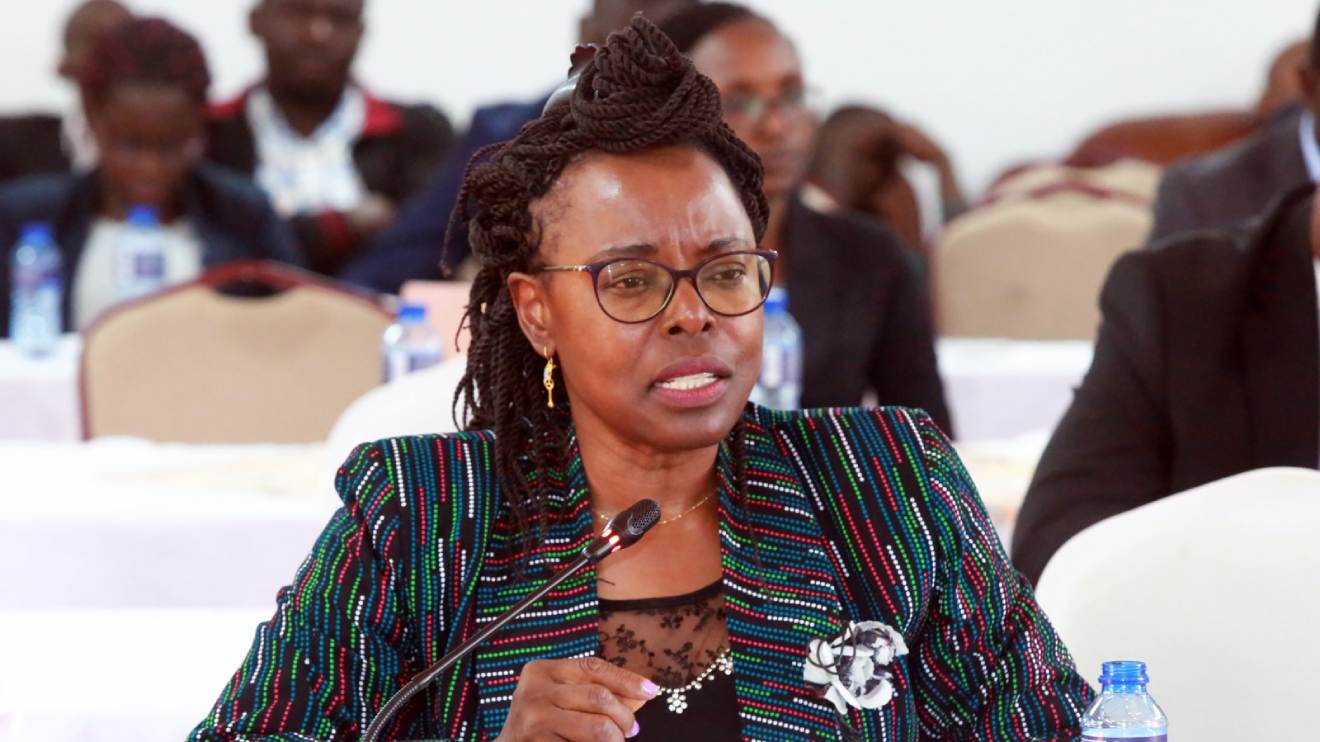
Kenya risks defaulting on debts worth Ksh3.32 trillion this year, unless urgent fiscal reforms are implemented, Controller of Budget Margaret Nyakang’o has warned.
According to Nyakang’o, persistent fiscal deficits and overestimated revenue targets have forced the government into expensive borrowing, tightening pressure on already strained finances.
The debts that are at risk of falling into default fall into both international and domestic categories, which could affect Kenyans who invest in bonds and Treasury Bills.
She faulted the National Treasury for ignoring proposals to cut spending and boost revenue, even as public debt hit Ksh12.3 trillion by December 2025.
As reported by Nation, she also raised concern over delays in servicing Treasury bonds, noting that repayments worth Ksh53.6 billion have previously been made one to two months late, raising doubts about Kenya’s ability to meet its obligations.
With a weakening shilling and rising interest costs, continued borrowing to service debt risks is pushing the country into a dangerous debt spiral.
Heavy debt servicing is now limiting funding for key sectors like health, education, and social protection, while exposing the country to refinancing and rollover risks due to short-term debt maturities.
The Ministry of Health has ordered the immediate withdrawal of four peanut butter brands, including Nutie, Kismat, Pannaj, and Muleka, after tests revealed dangerously high aflatoxin levels.
In a directive issued by Director General Patrick Amoth, some products recorded contamination far above the safe limit of 15 parts per billion (ppb), with Nutie (250g) reaching 934ppb.
As reported by Eastleigh Voice, authorities have ordered the seizure and destruction of all affected stock, citing serious health risks to consumers.
County officials have also been instructed to intensify market surveillance, inspect production facilities, and halt processing and distribution until safety standards are met.
The month-long US-Israel war with Iran is testing the Kenyan shilling, which has weakened from a prolonged peg of Ksh129.02 to Ksh129.96 against the dollar, raising import costs and investor risk.
As reported by the Business Daily, the CBK reports that higher oil prices, Kenya’s largest import, could widen the current account deficit and push the shilling lower.
Remittances from the Gulf, a key source of foreign exchange, totalled Ksh63.9 billion ($491.76 million) in 12 months to February 2026, with Saudi Arabia and the UAE leading.
Reduced inflows, combined with higher import bills, may force the CBK to sell reserves to defend the currency.
Despite global dollar gains, the shilling has held steady thanks to record forex reserves of $14 billion (Ksh1.82 trillion) and government-to-government fuel import deals with Saudi and UAE oil firms, cushioning the impact on the local market.
EPRA has flagged five petrol stations for selling substandard or export-bound fuel after inspections between January and March 2026.
Out of 2,713 tests across 758 sites, 99.34% were compliant, while five stations failed quality checks.
The affected outlets include Asis Energy (Kapkayo, Elgeyo Marakwet), a suspected illegal site in Habaswein (Wajir), an ex-illegal site in Matuga (Kwale), Green Wells Energies (Kisumu CBD), and Plateau Filling Station (Murungaru, Nyandarua).
As reported by Eastleigh Voice, some have since reopened after paying penalties, including Ksh101,638 and Ksh435,100, while others remain closed or face court action.
EPRA warned that fuel adulteration poses risks to vehicles and urged the public to report offenders.
Family Bank Group posted its strongest-ever results for the year ended December 2025, with profit after tax rising 55.4% to Ksh5.38 billion.
As reported by the Kenyan Wall Street, growth was driven by higher interest-earning assets, improved efficiency, and an oversubscribed capital raise ahead of its planned Nairobi Securities Exchange listing in May 2026.
Net interest income jumped 46.1% to Ksh15.63 billion, pushing total operating income up 34.1% to Ksh20.18 billion. The cost-to-income ratio improved to 68.6% despite a rise in expenses.
Total assets grew 23.9% to Ksh208.7 billion, with customer deposits increasing to Ksh151.88 billion.
However, non-performing loans rose to Ksh17.56 billion, prompting higher provisions.
The bank also raised Ksh8 billion in a private placement, exceeding its Ksh6.09 billion target ahead of the NSE listing.
Cooperatives PS Kiburi Kilemi has stated that the government is considering new rules that will require all SACCO directors and senior managers to pass a fit-and-proper test assessing personal history and professional conduct.
As reported by Kenyans.co.ke, term limits will be introduced to encourage fresh leadership, while directors must hold at least an O-Level certificate.
It is also proposed that senior managers must have banking experience, and professionals like CPAs need clearance from their respective bodies, including ICPAK.
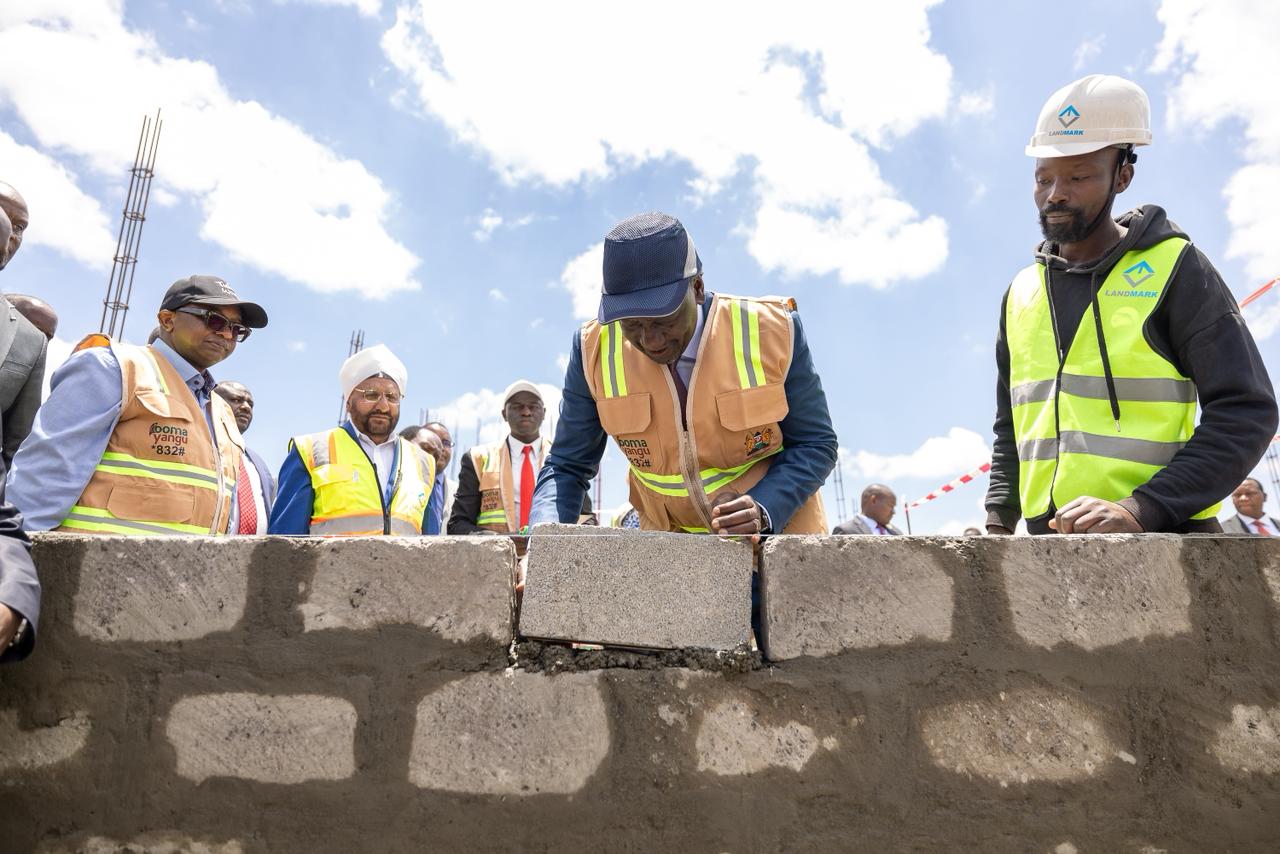
The government is also redefining cooperative types, targeting transport and housing SACCOs, aligning with President William Ruto’s affordable housing agenda.
These measures aim to restore confidence among members, ensuring deposits are managed responsibly, and to bring SACCOs closer to formal banking sector standards in professionalism and consumer protection.
The Social Health Authority (SHA) will assume management of medical benefits for all officers in the National Police Service (NPS) and Kenya Prisons Service (KPS), including eligible dependents, under the Public Officers Medical Scheme Fund.
As reported by the People Daily, the transition takes effect at 12:00 a.m. on April 1, 2026.
Current medical cover will remain valid until 11:59 p.m. on March 31, 2026, ensuring uninterrupted access to services.
SHA confirmed that the back-to-back handover aims to prevent gaps in coverage, providing officers and their families with continuous medical support as the authority administers the scheme going forward.
MSC Mediterranean Shipping Company has announced higher shipping charges for cargo to and from Kenya and East Africa following a new Emergency Fuel Surcharge (EFS) effective April 1, 2026.
As reported by Capital Business, the surcharge will affect trade routes linking East Africa to Northern Europe, the Mediterranean, the Red Sea, and Southern Africa, covering both dry and refrigerated containers.
Under the new rates, cargo between South Africa, Namibia, and East Africa will cost Ksh16,900 ($130) per TEU for dry containers and Ksh25,350 ($195) for refrigerated units.
Exports to Northern Europe will attract Ksh29,900 ($230) for dry cargo and Ksh44,850 ($345) for reefer containers.
The changes are expected to increase costs for businesses as global fuel prices and supply chain pressures persist.
Equity Group plans to expand into Mozambique, CEO James Mwangi has revealed, following high-level diplomatic engagements in Nairobi.
Speaking at the Ambassadors and High Commissioners Conference, Mwangi credited William Ruto for facilitating an introduction to Mozambique’s President Daniel Chapo, leading to a scheduled meeting in April 2026.
If approved, Mozambique will become Equity’s sixth regional market, adding to operations in DRC, Uganda, Rwanda, Tanzania, and South Sudan.
As reported by Capital Business, regional subsidiaries continue to drive growth, with 2025 profit rising 55% to Ksh75.5 billion.
Equity Bank Kenya led with Ksh39.2 billion, while DRC contributed Ksh24.7 billion, highlighting the Group’s expanding regional footprint.
Consolidated Bank of Kenya is set to receive a Ksh1.12 billion capital injection from the Treasury and raise additional funds through the sale of non-core assets, including select buildings, to meet the revised minimum core capital requirement of Ksh3 billion.
The lender, 93.5% government-owned, closed December 2025 with negative core capital of Ksh546.07 million and needs Ksh3.54 billion to comply.
As reported by Business Daily, Part of the funding will come from internally generated revenue, following the bank’s first net profit in 11 years of Ksh198.18 million, up from a Ksh155.22 million loss in 2024.
Acting CEO Dominic Murage said strategic efficiency measures and SME-focused lending will remain central as the bank strengthens its public-sector partnerships.
Property fund ILAM Fahari I-Reit has more than doubled its payout to investors to Ksh0.65 per unit, totalling Ksh117.6 million, even as net profit fell 34.8 per cent to Ksh245.7 million in the year ended December 2025.
As reported by the Business Daily, the previous year’s dividend was Ksh0.30 per unit.
The higher payout reflects a 135 per cent rise in distributable income to Ksh145.8 million, driven by increased rental income from Greenspan Mall, while operating expenses fell nine per cent to Ksh100.1 million.
Gains from property revaluations, however, dropped to Ksh100 million from Ksh263.5 million.
Fahari, delisted from the NSE Main Investment Market in 2024, now trades on the Unquoted Securities Platform with transactions starting at Ksh5 million, allowing the fund to focus on scaling its property portfolio.
.png)


Join 1.5M Kenyans using Money254 to find better loans, savings accounts, and money tips today.


Money 254 is a new platform focused on helping you make more out of the money you have. We've created a simple, fast and secure way to find and compare financial products that best match your needs. All of the information shown is from products available at established financial institutions that our team of experts has tirelessly collected.




.jpeg)

.jpg)