Money Psychology
September 18, 2026


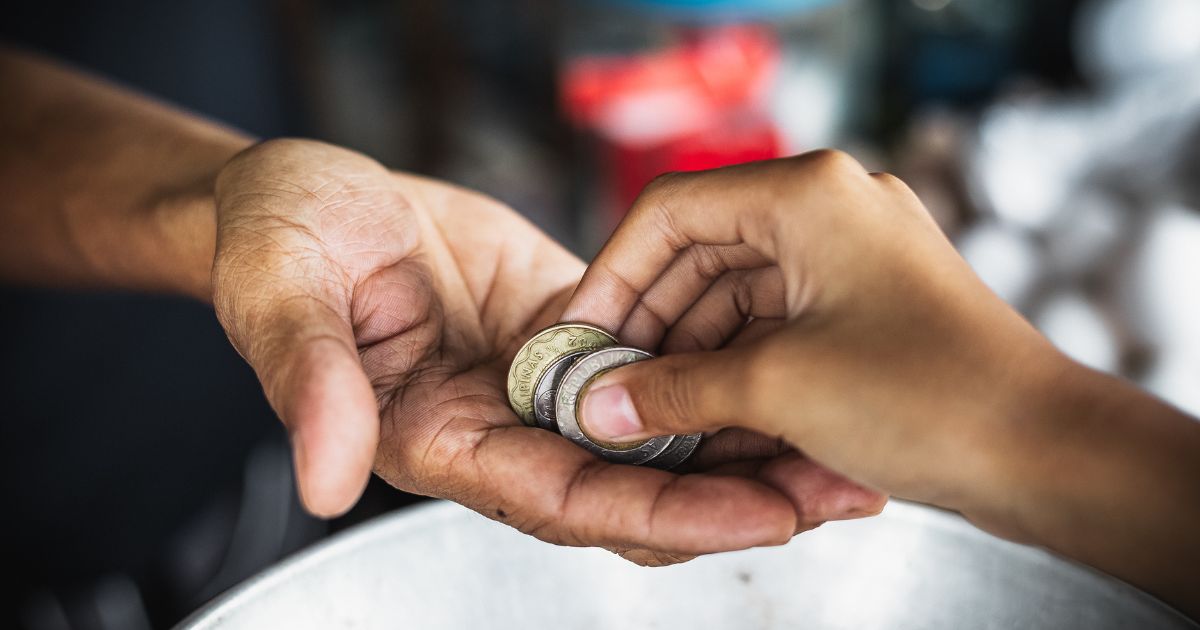
Have you ever lent someone Ksh500, only for them to come back a few weeks later asking for another Ksh200 without having repaid the first amount?
Perhaps they promise to sort it out at the end of the month, but when the month arrives, they have another reason for delaying. Then, instead of clearing the existing debt, they ask for more money.
It can be frustrating for the person lending the money, but there is a psychological explanation for why some people fall into this pattern.
Also read: Why People Lie About Money
One explanation is Present Bias, the tendency to give greater importance to immediate needs than future consequences.
When someone needs Ksh500 to pay a bill, buy food or deal with an emergency, getting the money now feels more urgent than thinking about the other Ksh1,500 they already owe you.
The problem is that the immediate problem keeps winning over the future obligation.
There is also an element of reinforcement. If someone asks you for money and you consistently help them, the behaviour is rewarded. They learn that borrowing is an effective way of solving financial problems.
Imagine someone who has borrowed from you five times and received money each time. Even if they haven't fully repaid you, their previous experiences have taught them that asking you works.
The next financial problem may therefore trigger the same response: call you and ask again. This doesn't necessarily mean the person is deliberately taking advantage of you. The behaviour can become habitual.
Also read: Why Some People Never Return Borrowed Money
People also don't always experience debt in the same way. For the lender, Ksh2,000 may represent money that could have gone towards savings, rent or an investment. For the borrower, the amount can feel less urgent, particularly when there are no penalties or immediate consequences for delaying repayment.
A bank will send reminders, charge interest and potentially take action when a loan isn't repaid.
A relative or friend may simply say, "Usijali, nitakulipa." The absence of immediate consequences can make informal debt easier to postpone.
Another reason this behaviour can continue is that borrowers often focus on individual requests rather than the total amount they owe.
Ksh500 doesn't sound like much. Neither does another Ksh200.
Because each new request appears small, the borrower may not fully appreciate how large the total obligation has become.
If you are constantly lending money to someone who hasn't repaid previous loans, the solution may not be another conversation about when they'll pay.
You may need to change your behaviour.
Instead of automatically sending money, ask whether the previous debt has been cleared. You can also set a clear limit on how much you're willing to lend or simply tell the person that you cannot provide another loan until the existing one is repaid.
Saying no does not make you selfish. Sometimes, refusing to provide another loan is the only way to prevent a temporary financial problem from becoming a permanent borrowing habit.
.png)


Join 1.5M Kenyans using Money254 to find better loans, savings accounts, and money tips today.


Money 254 is a new platform focused on helping you make more out of the money you have. We've created a simple, fast and secure way to find and compare financial products that best match your needs. All of the information shown is from products available at established financial institutions that our team of experts has tirelessly collected.








.jpg)