


Investments
October 2, 2026


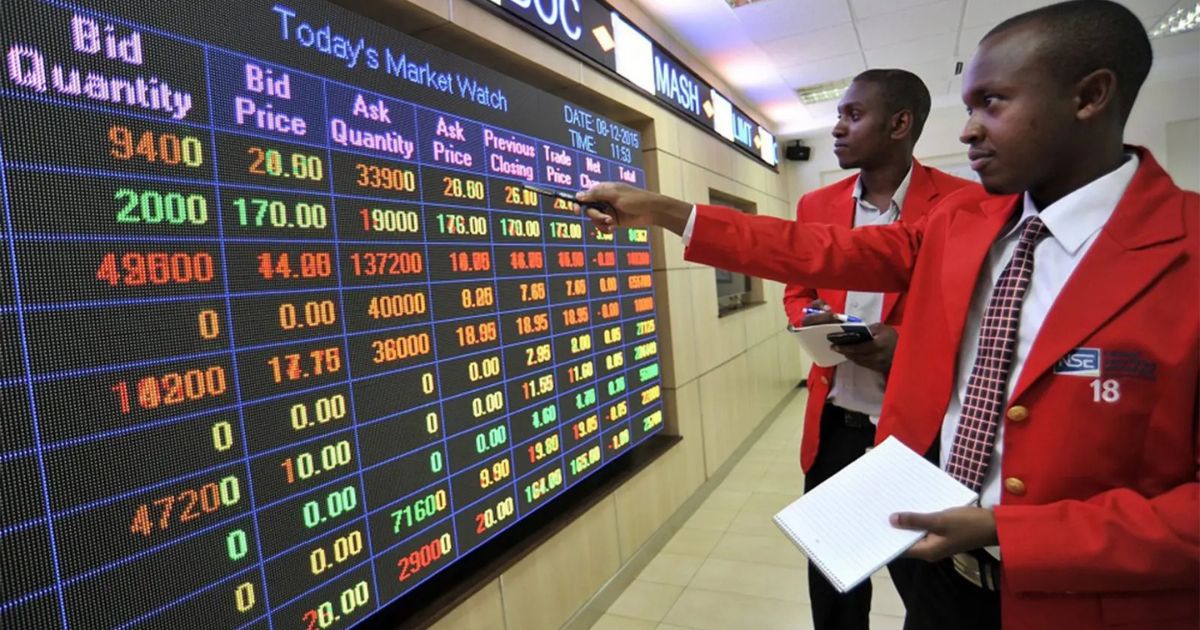
As more Kenyans turn to collective investment schemes to grow their money, two products continue to dominate conversations — Money Market Funds (MMFs) and Special Funds.
At first glance, the two may look similar. Both pool money from investors and are managed by professional fund managers. But when you dig deeper, the differences in risk, returns, liquidity, and fees become clear.
So, are MMFs and Special Funds the same? Not quite. Here’s what you need to know before choosing where to invest your money.
Also Read: Money Markets Funds in Kenya: Features and Key Considerations
A Money Market Fund is a low-risk investment vehicle that pools money from investors and invests in short-term, relatively safe financial instruments.
These typically include government securities such as Treasury Bills, fixed deposits, commercial paper and bank deposits. Because these instruments are considered stable and low-risk, MMFs are popular among investors looking to preserve capital while earning modest returns.
A Special Fund is also a collective investment vehicle, meaning it pools money from investors. However, unlike MMFs, Special Funds invest in a much broader range of assets, including stocks, gold, foreign currencies and derivatives.
Because of this flexibility, Special Funds can pursue higher returns — but they also carry significantly higher risk. In some cases, the fund manager may use leveraged strategies, meaning losses can be amplified if investments go wrong. Unlike MMFs, your capital is not protected in a Special Fund.
Read Also: Saccos vs MMFs: Which One Should I Choose?
MMFs are low-risk. They invest in stable, short-term instruments. While returns are relatively modest, you are almost assured that your initial capital will remain intact.
Special Funds carry moderate to high risk because they invest in volatile assets like stocks and commodities, and returns fluctuate significantly. There is potential for high profits but also potential for losses, including losing part of your principal investment.
Because risk and return go hand in hand, the performance difference between the two can be significant.
In 2025: Top-performing Special Funds delivered returns of up to 20.74%, nearly double the average MMF returns. Mansa X Special Fund led the category, followed closely by Kuza Momentum Special Fund at 20.62%.
Meanwhile, MMFs recorded average returns of around 8%, partly due to the continued decline in Treasury Bill rates. In December 2025, Cytonn MMF led at 9.75%, followed by Nabo Africa MMF at 9.45%.
This shows that while Special Funds can outperform MMFs, they also expose investors to greater volatility.
Also Read: Top 15 Performing MMFs By Their Returns of January 2026
Liquidity refers to how easily you can withdraw your money. MMFs are highly liquid.
Most allow deposits and withdrawals within hours or a few days. This makes them ideal for emergency funds and short-term savings
Special Funds often have lock-in periods. Many require investors to commit their funds for at least six months. Some may even restrict withdrawals beyond that. This makes Special Funds more suitable for medium- to long-term investors who do not need immediate access to their money.
Entry requirements also differ significantly. MMFs are highly accessible. Some allow you to start with as little as Ksh100. Top-ups can be as low as Ksh10. This makes MMFs ideal for beginners or small-scale investors.
Special Funds typically require higher capital. Many start at Ksh250,000. Others require Ksh500,000 or more. Because of this, Special Funds are generally targeted at higher-net-worth investors who can absorb potential losses.
Fees are another critical difference. MMFs usually charge lower management fees, typically around 2% per year. Some managers charge this fee only on the returns earned.
Special Funds charge higher fees, typically around 5% annually, and importantly, this fee is often charged regardless of whether the fund makes a profit. This means that even in a loss-making year, investors may still pay the management fee. Over time, higher fees can significantly affect net returns.
The right choice depends on your financial goals and risk appetite.
You may consider an MMF if:
You may consider a Special Fund if:
Editor's Note: We know many of our readers are looking for opportunities that go beyond standard market returns. If you're interested in learning more about special funds from the fund managers directly, please fill your details here.
.png)


Join 1.5M Kenyans using Money254 to find better loans, savings accounts, and money tips today.


Money 254 is a new platform focused on helping you make more out of the money you have. We've created a simple, fast and secure way to find and compare financial products that best match your needs. All of the information shown is from products available at established financial institutions that our team of experts has tirelessly collected.




![You Have Ksh7 Million: Buy a Home in Cash or Rent and Invest? [The 10-Year Numbers]](https://cdn.prod.website-files.com/6038c1030be2580db46ccf46/6abbbdaf2080b24be31d8e0b_top%20image%20%2B%20Templates%20%20-%202026-09-29T162813.614.jpg)


%20(1).jpg)





![CBK Approves 29 New Digital Lenders [LIST]](https://cdn.prod.website-files.com/6038c1030be2580db46ccf46/6abce37f51393f90d11dbea6_top%20image%20%2B%20Templates%20%20-%202026-09-30T132202.886.jpg)

