Investments
October 6, 2026


For decades, Savings and Credit Cooperative Organizations (SACCOs) have been one of the most trusted financial vehicles for Kenyans.
From teachers and civil servants to boda boda riders and small business owners, SACCOs have played a critical role in helping members save consistently and access affordable credit. With total member deposits exceeding Ksh1.2 trillion, the movement remains a pillar of household finance in Kenya.
But 2026 is shaping up to be unlike any other year for SACCO members. A mix of scandals, regulatory crackdowns, governance reforms, and market-facing proposals have fundamentally altered how SACCOs operate and what members should expect from them.
Here are the key reasons why 2026 marks a turning point.
Read Also: Saccos in Kenya: To Join or Not?
The biggest shadow hanging over the SACCO movement is the Ksh13.3 billion KUSCCO scandal, which nearly destabilized the entire sector.
Many SACCOs that had placed funds with KUSCCO were forced to make heavy provisions toward the end of 2025 to cushion themselves against potential losses.
For members, the most immediate impact will be lower dividends in 2026.
Instead of distributing cash to members, SACCOs are prioritizing the rebuilding of their capital buffers to meet regulatory requirements and protect long-term stability.
Regulators have also issued strong warnings against SACCOs borrowing money simply to pay dividends—a practice that artificially boosts payouts while weakening balance sheets.
In short, even well-run SACCOs are choosing caution over generosity this year.
Read Also: 10 Rules to Make Money Work for You
Another major shift is the government’s tougher stance on governance and compliance. In December 2025, authorities warned that up to 25,000 SACCOs risk deregistration for failing to meet basic regulatory standards.
The issues cited include failure to hold Annual General Meetings (AGMs), poor transparency in financial reporting, and weak internal controls and governance structures.
For years, many small and dormant SACCOs operated below the radar. In 2026, SASRA and the Commissioner for Co-operative Development, David Obonyo, are signaling that compliance is no longer optional, and SACCOs that fail to clean up their operations may simply be shut down.
As part of broader reforms, the Ministry of Cooperatives in 2025 announced plans to merge small SACCOs to make them more viable and easier to regulate.
The logic is straightforward. Many SACCOs are too small to absorb financial shocks, invest in proper governance systems, or meet increasingly strict regulatory thresholds.
Mergers would create stronger institutions with better risk management, improved oversight, and more sustainable growth. However, consolidation may also mean changes in leadership, branding, and even member benefits, adjustments that could feel unsettling in the short term.
Still, policymakers believe that fewer, stronger SACCOs are better than many weak ones.
Read Also: Frequently Asked Questions About Saccos in Kenya
In another warning that rattled the sector, the government flagged concerns that some SACCOs have been investing members’ money in unregulated investment vehicles.
These include opaque schemes and poorly structured investments that fall outside approved guidelines. While such ventures may promise higher returns, they expose members to significant risk, including the potential loss of savings.
In 2026, regulators are expected to scrutinize SACCO investment portfolios more aggressively. Members should pay closer attention to where their SACCO invests and demand clarity during AGMs and annual reports.
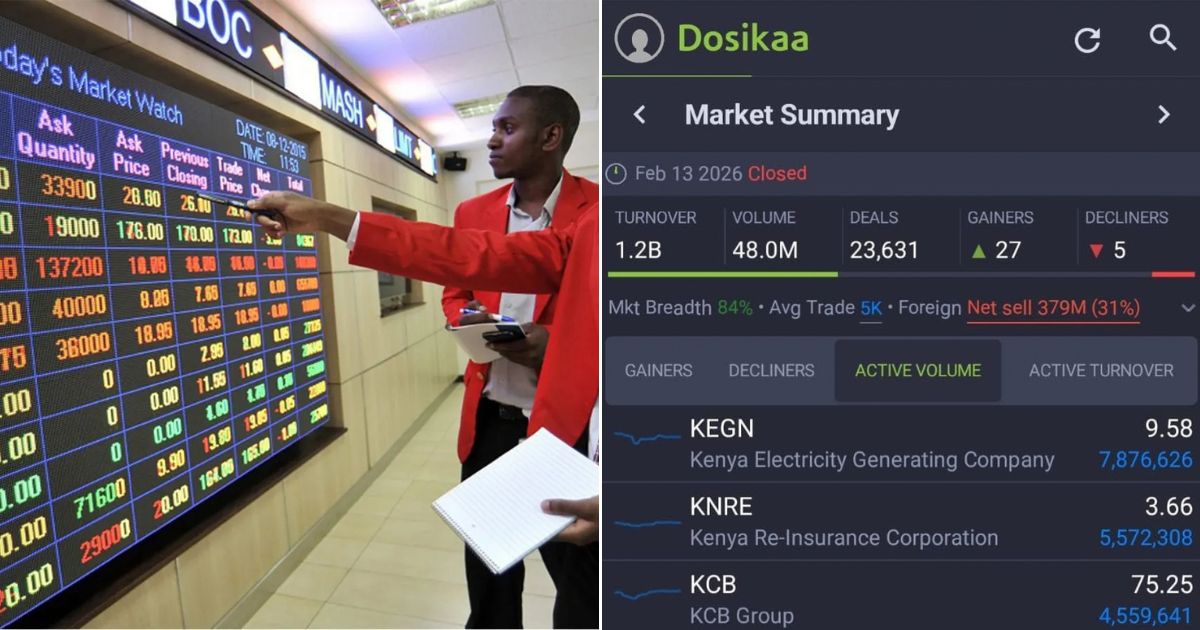
Amid the uncertainty, one proposal stands out as potentially transformative: discussions between the Ministry of Cooperatives and the Nairobi Securities Exchange (NSE) on listing SACCO shares.
If implemented, this would allow members to trade SACCO shares like company shares and discover a transparent market value for their SACCO equity
For a movement built on long-term commitment rather than exit options, this would be a major shift. However, the idea also comes with heightened disclosure requirements and increased regulatory oversight, factors that make some SACCOs cautious.
Traditionally, the first two weeks of the year are busy in the SACCO calendar. Members usually receive notices of AGMs, dividend announcements, and financial summaries around this time.
In 2026, it has been unusually quiet. This silence reflects the broader uncertainty. Many SACCOs are taking extra time to finalize audited accounts, assess the impact of new regulations, and avoid premature announcements that could attract regulatory scrutiny
The announcements will likely come, but more slowly than members are used to.
2026 is not necessarily a bad year for SACCO members, but it is a sobering one. The focus has shifted from rapid growth and generous dividends to stability, governance, and long-term survival.
Members should pay closer attention to SACCO communications, attend AGMs, ask hard questions, and be patient with lower returns in the short term.
If reforms succeed, the SACCO movement could emerge stronger, more transparent, and more resilient. But in the meantime, 2026 demands a more informed and cautious SACCO member than ever before.
.png)


Join 1.5M Kenyans using Money254 to find better loans, savings accounts, and money tips today.


Money 254 is a new platform focused on helping you make more out of the money you have. We've created a simple, fast and secure way to find and compare financial products that best match your needs. All of the information shown is from products available at established financial institutions that our team of experts has tirelessly collected.





![You Have Ksh7 Million: Buy a Home in Cash or Rent and Invest? [The 10-Year Numbers]](https://cdn.prod.website-files.com/6038c1030be2580db46ccf46/6abbbdaf2080b24be31d8e0b_top%20image%20%2B%20Templates%20%20-%202026-09-29T162813.614.jpg)





![Kenya's Richest Counties By Contribution to GDP [2026]](https://cdn.prod.website-files.com/6038c1030be2580db46ccf46/6acf79cc000d099ee32f507a_top%20image%20%2B%20Templates%20%20-%202026-10-14T154332.222.jpg)