News and Analysis
October 23, 2026


Hello and welcome to the Money News Roundup Newsletter. Today, we cover the government's explanation for the milk shortage amid rising prices. We also look at the uncertainty surrounding the proposed university funding model.
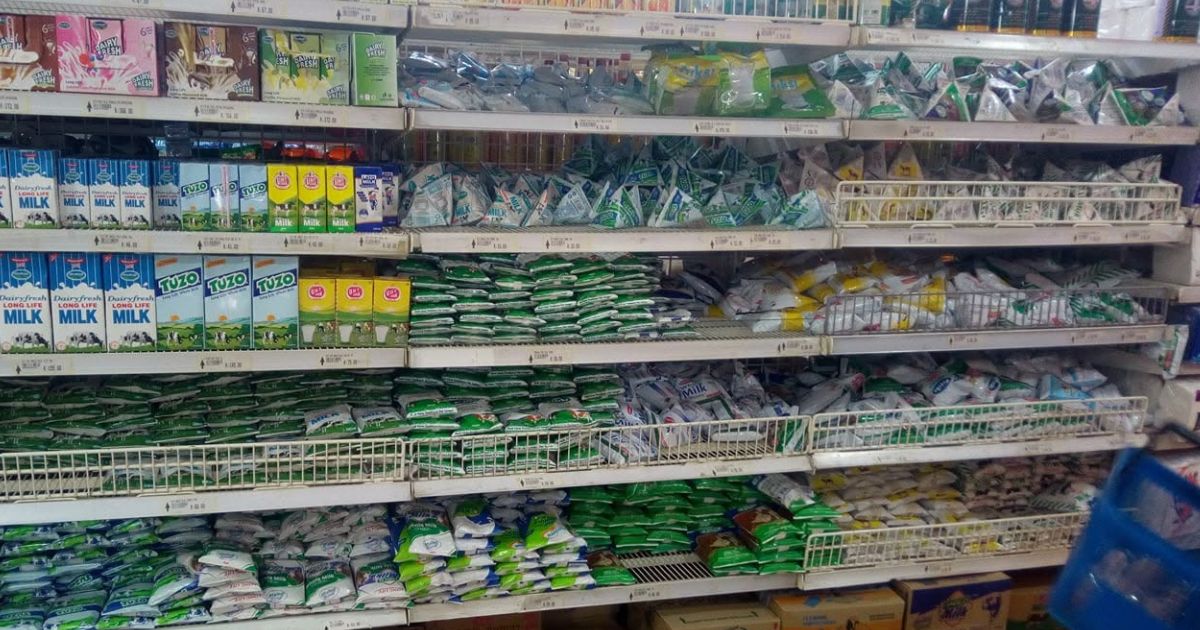
The Kenya Dairy Board (KDB) has attributed the current milk supply constraints to dry and cold weather conditions that have reduced pasture and fodder availability in key dairy-producing regions, leading to lower milk production.
As reported by the Star, the Board stated formal milk deliveries to processors declined by 3.7% between June and July 2026, falling from 84.4 million litres to 81.3 million litres. Preliminary data also points to a further decline in August.
KDB Managing Director William Maritim said pasteurised milk has been the most affected, while extended shelf-life and UHT milk remain comparatively more available.
The reduced production has resulted in low stock levels, delayed restocking and shortages of some milk brands and pack sizes in some retail outlets.
Some supermarkets have also introduced purchase limits as processors struggle to secure enough raw milk.
However, the board assured consumers that the situation is temporary and expects milk production to recover during the October-November-December rainfall season.
In some towns, the 500ml packet has risen to Ksh70 from Ksh55-Ksh60.
The government plans to borrow Ksh38.74 billion against future Sports Fund revenues to finance the construction and completion of 33 new and ongoing stadium projects across the country.
As reported by the Business Daily, the Sports, Arts and Social Development Fund (SASDF) has started recruiting a transaction advisor and lead arranger to structure the 15-year facility, which will become the second securitisation backed by the fund after the Ksh44.8 billion Talanta bond.
According to the fund, the money will support stadium projects and related infrastructure, with financing expected to be secured within 60 days of award.
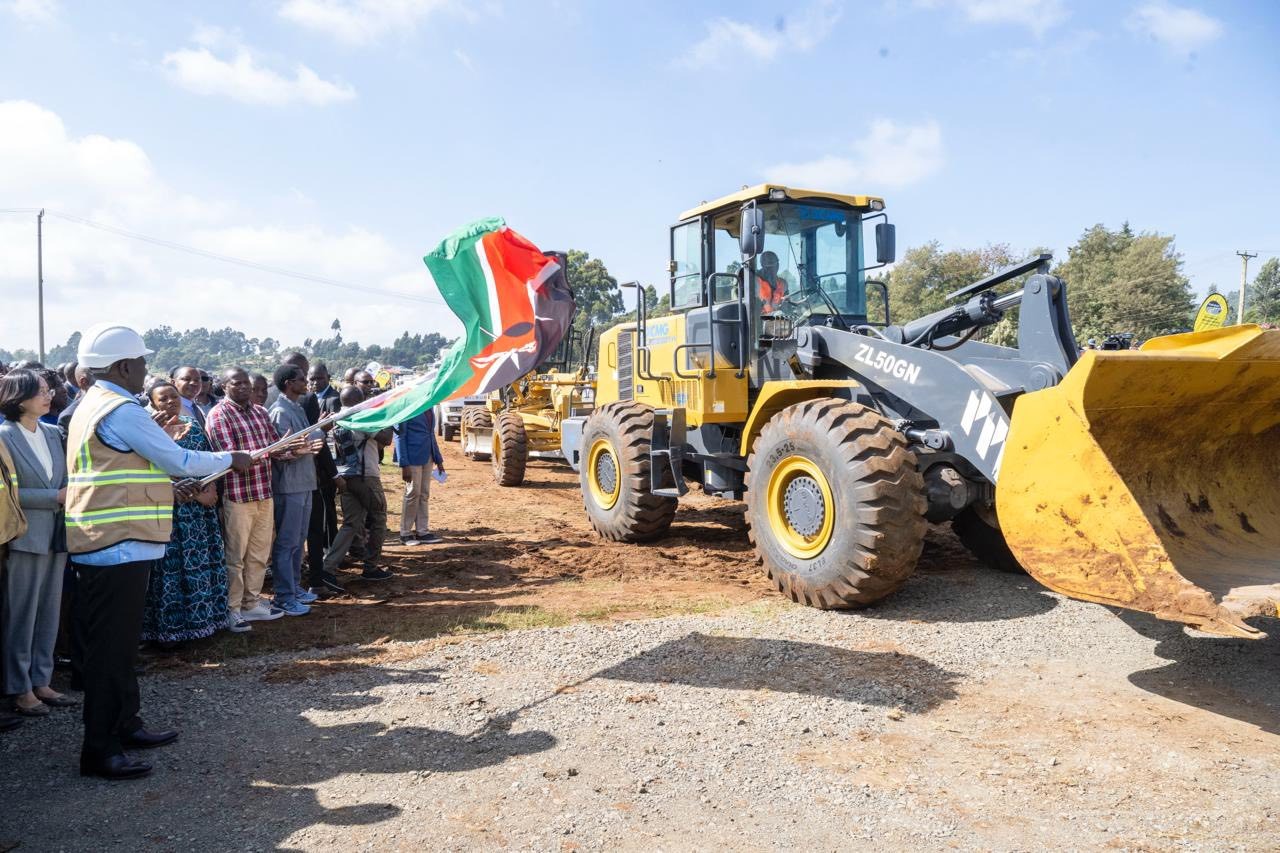
The government is currently undertaking stadium projects in Mombasa, Kisumu, Nakuru, Eldoret and more than 20 other counties, while upgrading Kasarani and Nyayo stadiums ahead of the 2027 Africa Cup of Nations.
The Sports Fund is mainly financed through taxes and levies collected from the betting industry.
Universities have advised students seeking government support to continue applying for funding as Parliament considers the proposed changes and the government works on a new financing framework.
As reported by Nation, Higher Education PS Beatrice Inyangala has assured parents and students that the government will provide guidance on university fees once the ongoing transition of the higher education funding system is finalised.
Her remarks come as thousands of first-year students report to campuses without clarity on how they will finance tuition, accommodation and upkeep. The President had mentioned that the new funding model would begin in September.
The uncertainty stems from the proposed Tertiary Education Placement and Funding Bill, 2026, which seeks to replace scholarships with a loan-only funding model for students in public universities, colleges and TVET institutions.
According to the PS, about 195,000 of the expected 202,000 freshmen have already reported.
Safaricom, Airtel and other telecom operators could be barred from recycling dormant SIM cards after three months under new regulations proposed by the Communications Authority of Kenya (CA).
As reported by the Business Daily, the rules require telcos to notify subscribers after a SIM card remains inactive for three months and give them an additional three months to reactivate it through activities such as topping up airtime, using data, making calls or sending SMS messages.
Operators will also have to publish lists of numbers facing deactivation 30 days before recycling them and provide a USSD code for customers to check their status.
The proposals follow a High Court ruling that raised concerns over privacy risks linked to recycled phone numbers, including access to mobile banking and online accounts.
The regulations also require operators to delink personal data before reassigning numbers to new users.
Safaricom has begun paying its final dividend of Ksh46.08 billion to shareholders ahead of the scheduled September 4 payment date. The payout follows approval of a final dividend of Ksh1.15 per share for shareholders on the register by August 4.
As reported by the Business Daily, the final dividend brings the telco's total annual payout to Ksh80.13 billion, including the Ksh0.85 interim dividend paid in March, making it the largest dividend distribution in Safaricom's history.
The record shareholder return follows a 37.2% rise in net profit to Ksh95.6 billion in the year ended March 2026, driven by stronger M-Pesa earnings and lower losses from Safaricom Ethiopia.
M-Pesa generated Ksh182.7 billion in revenue and processed transactions worth Ksh41.68 trillion during the year.
Also in the News
.png)


Join 1.5M Kenyans using Money254 to find better loans, savings accounts, and money tips today.


Money 254 is a new platform focused on helping you make more out of the money you have. We've created a simple, fast and secure way to find and compare financial products that best match your needs. All of the information shown is from products available at established financial institutions that our team of experts has tirelessly collected.