News and Analysis
October 23, 2026


Hello and welcome to the Money News Roundup Newsletter, where we are covering how the government is selling its stake in Safaricom at a discount. We also cover the deployments of additional officers to Haiti.
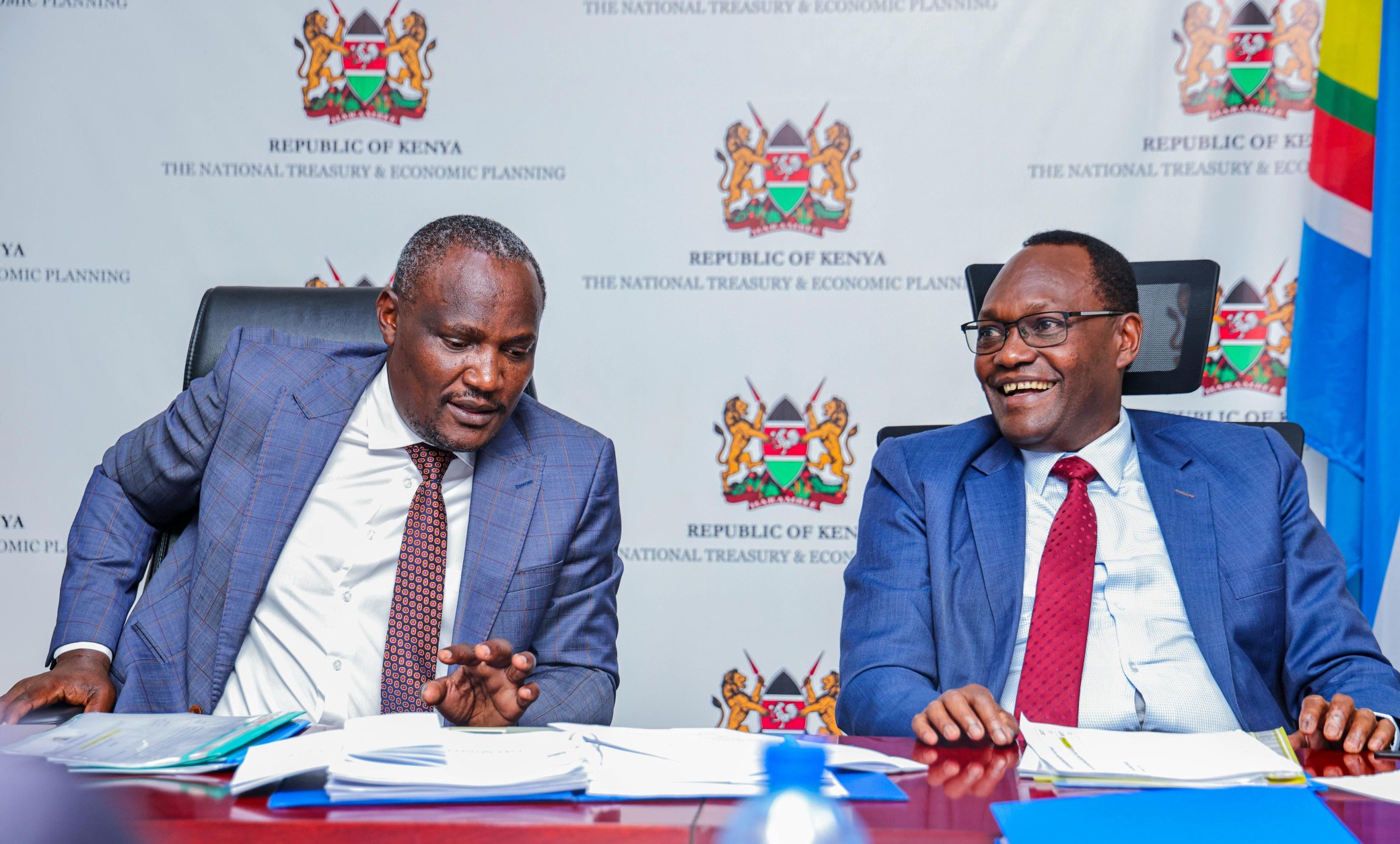
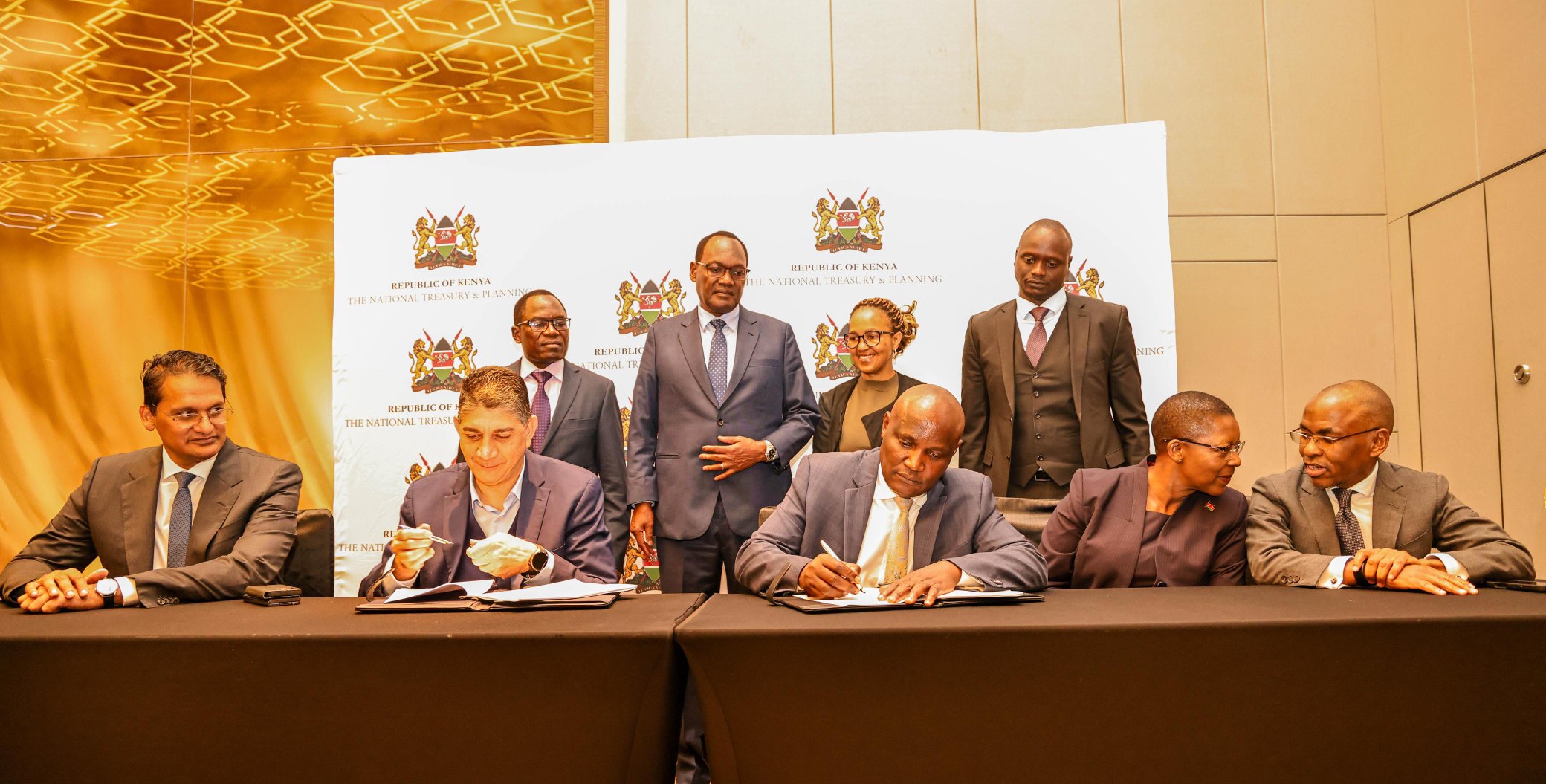
Standard Investment Bank (SIB) says the National Treasury is selling its 15% stake in Safaricom at a 15.4% discount to the telecom’s fair value, based on recent comparable transactions and expected future earnings.
The deal, announced last week, is priced at Ksh34 per share, with South Africa’s Vodacom Group set to pay the government Ksh204.3 billion for six billion shares.
As reported by the Business Daily, SIB estimates Safaricom’s fair value at Ksh40.19 per share, implying the government could be leaving about Ksh37.1 billion on the table.
While the offer price represents a 20.6% premium to the current market price, it falls below SIB’s valuation of the business.
The government has also sold rights to future dividends worth Ksh55.7 billion from its remaining 20% stake to Vodacom for an upfront Ksh40.2 billion, effectively discounting future cash flows by Ksh15.5 billion.
The National Treasury has defended the pricing, citing low settlement risks and the benefits of selling to an existing partner.
With the sale, Vodacom’s stake will rise to 55%, giving it control of Safaricom, with proceeds from the sale earmarked for infrastructure projects.
News update: The Standard Investment Bank (SIB) is building the SIB International Centre in Westlands, which will also serve as its headquarters upon completion.
Also Read: Safaricom Announces Terms of Its Tax-Free Bond; How to Buy
Tensions rose across Tanzania on Monday night after President Samia Suluhu Hassan’s government declared planned nationwide protests illegal ahead of Tuesday’s Independence Day.
As reported by Citizen Digital, the demonstrations, organised by opposition supporters, were intended to protest alleged governance failures and leadership concerns.
The ban sparked alarm among human rights organisations, which urged authorities to protect citizens who may still participate. In Dar es Salaam, residents rushed to stock up on essentials after the government advised the public to remain indoors.
Interior Minister George Simbachawene reiterated that the protests are unlawful, while Prime Minister Mwigulu Nchemba urged citizens to stay home unless providing essential services.
Police have since arrested several activists, drawing condemnation from rights groups and regional figures warning of a deepening human rights crisis.
Also Read: EU Threatens Tanzania With Sanctions After Polls
Wananchi Group, which trades as Zuku, lost more than 24,000 customers in the three months to September despite expectations that its takeover would revive growth and improve service quality.
Data from the Communications Authority of Kenya shows the biggest decline was in cable TV, where subscriptions fell by 30%, from 66,212 to 44,593 users. Zuku also lost 1,591 customers in its DTH segment and a further 1,562 in fixed internet, cutting its market share in internet services to 11.8% from 12.7%.
As reported by the Business Daily, the losses come amid persistent customer complaints over service outages and slow speeds.
The company was recently acquired by Axian Telecom.
Courts could soon gain wider powers to strike out unfair and one-sided contracts if Parliament passes the proposed Law of Contract (Amendment) Bill, 2025.
The Bill seeks to allow judges to invalidate or modify agreements where one party is clearly disadvantaged, marking a shift from the long-held principle that courts should not interfere with freely signed contracts.
Sponsored by Wajir East MP Aden Daudi Mohamed, the legislation targets oppressive and unconscionable terms rooted in English common law practices. It bars clauses that exclude liability for death or loss caused by negligence and outlaws attempts to avoid responsibility for defective goods.
Suppliers will also be restricted from limiting liability in consumer contracts or delivering services substantially different from what was reasonably expected, strengthening protections for consumers and small businesses. Read more.
Read more: Landmark Ruling That Protects HELB Defaulters from Excess Penalties
The World Bank has recommended that the government tie subsidies and grants to state-owned enterprises (SOEs) to clear public policy objectives and measurable outcomes to improve competitiveness.
In its latest Kenya Economic Update, the lender warns that weak corporate governance and political interference have left SOEs inefficient and heavily reliant on taxpayer support.
As reported by the Business Daily, it notes that many firms are shielded from market discipline and often driven by short-term political and ministerial interests.
The Bank also criticised the performance-contracting framework, arguing that Treasury-set KPIs are not aligned to private-sector standards and lack accountability, as poor performance rarely leads to leadership changes. It further flags conflicts of interest arising from line ministries doubling as policymakers and SOE board members.
Elon Musk’s satellite internet firm Starlink has regained the subscriptions it lost in Kenya after earlier capacity constraints, but its market share remains under pressure from local rivals.
In the quarter to September, Starlink added 2,045 users, lifting its subscriber base to 19,470 — its highest level yet.
However, its fixed internet market share stagnated at 0.8 percent, unchanged from June, according to Communications Authority of Kenya (CA) data.
During the same period, Safaricom strengthened its dominance by adding more than 79,000 customers, raising its share to 35.6 percent. Other providers, including Faiba, Ahadi, Mawingu, and Vilcom, also recorded strong growth. Read more.
Grade 10 school placement results will be released before Christmas Day, with reporting to senior schools set for January 12, 2026, the government has announced.
As reported by Nation, the placement process will begin this week after the release of the Kenya Junior School Education Assessment (KJSEA) results, expected by Thursday, December 11.
Placement will be done electronically by the Ministry of Education, with admission letters accessed through the National Education Management Information System (NEMIS). Learners will check their results on the KNEC portal using their assessment numbers.
Top performers per gender and track at the sub-county level will secure boarding schools of their choice. Final placement scores will combine KPSEA, school-based assessments, and KJSEA results under the competency-based education system.
Also Read: Kenya's Private Schools Boom as Owners Embrace New Financing
Kenya has deployed 230 additional police officers to Haiti as part of its leadership of the UN-backed multinational security mission, reinforcing efforts to combat powerful criminal gangs.
As reported by Reuters, on Monday, the officers arrived to replace about 100 who completed their rotation, ensuring sustained pressure on armed groups amid Haiti’s deepening political and security crisis.
Gangs are estimated by the United Nations to control about 90% of the capital, Port-au-Prince, where killings, kidnappings, looting, and sexual violence have surged. The mission, approved by the UN Security Council in 2023, remains under-resourced, with only around 1,000 of the planned 2,500 officers deployed.
Meanwhile, MSS is set to be replaced by a new force after the UN Security Council approved the development of a more robust anti-gang force in Haiti.
.png)


Join 1.5M Kenyans using Money254 to find better loans, savings accounts, and money tips today.


Money 254 is a new platform focused on helping you make more out of the money you have. We've created a simple, fast and secure way to find and compare financial products that best match your needs. All of the information shown is from products available at established financial institutions that our team of experts has tirelessly collected.