News and Analysis
October 23, 2026


Hello and welcome to the Money News Roundup Newsletter, where we cover the looming fuel shortage that Kenya faces after a supplier suspends production. We also cover Kenya’s new loan from China after four years.
Kenyans face a fuel shortage by the end of March 2026 after an Abu Dhabi National Oil Company (Adnoc) refinery supplying Kenya and Uganda shut down due to the ongoing Iran-US-Israel conflict.
As reported by Nation, Adnoc invoked a force majeure clause, halting fuel production, while safety concerns in the Strait of Hormuz have disrupted shipments. Current stocks are expected to last only until March 28, with emergency shipments from India, Oman, and Al-Fujairah expected by April 7.
Kenya imports petrol via Adnoc and diesel through Saudi Aramco under a government-to-government (G-to-G) deal extended to 2028, with the Emirates National Oil Company also participating.
One shipment meant to deliver 85 million litres arrived with 60 million litres due to safety risks.
The conflict threatens Kenya’s fuel security, as the country lacks strategic reserves and relies on Oil Marketing Companies with a minimum of 15-day supplies.
Global crude prices have surged above Ksh15,379.56 per barrel, raising concerns over costly fuel ahead of the April 14 monthly pricing schedule, with further hikes possible if tensions escalate.
As reported by the Business Daily, Kenya received its first Chinese loan commitment in four years, ending a hiatus from 2020 to 2023 caused by Beijing’s caution over debt risks.
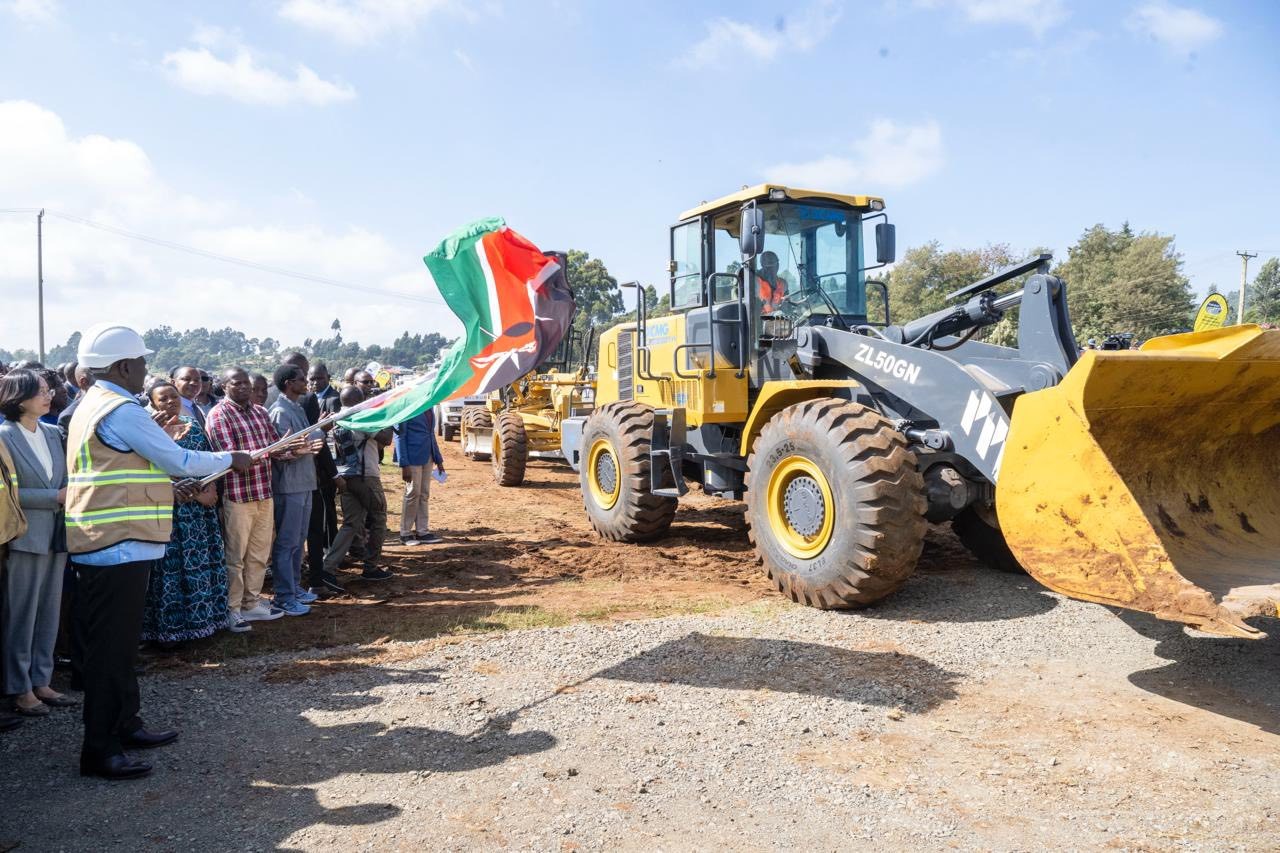
According to the Global Development Policy Centre, China Development Bank (CDB) issued Ksh37.43 billion in 2024 to support road rehabilitation projects.
Lending to developing countries, including Kenya, slowed after COVID-19 and rising default concerns. China’s main policy banks, CDB and China Eximbank, the financier of Kenya’s Standard Gauge Railway, have adopted stricter lending terms.
At the 2021 Forum for China-Africa Cooperation, President Xi Jinping announced that Chinese disbursements to Africa would drop by a third to Ksh5.1 trillion ($40 billion), with a shift from large infrastructure projects to SMEs and green initiatives. This left Kenya’s Belt and Road-linked projects in limbo.
Historically, Chinese lending grew under President Mwai Kibaki, reaching nearly Ksh206 billion and surged under President Uhuru Kenyatta, with commitments exceeding Ksh1 trillion for major infrastructure, including the SGR, highways, and energy transmission projects.
The government plans to build a 1,200-megawatt gas-fired power plant at Dongo Kundu in Mombasa, as the government moves to increase electricity supply to meet rising demand.
As reported by Bloomberg, the project is expected to cost about Ksh374 billion ($2.9 billion), and authorities are seeking transaction advisers to help design and structure it.
According to Energy Principal Secretary Alex Wachira, the plant will be developed by Kenya Electricity Generating Company alongside private investors.
The facility will run on imported Liquefied Natural Gas (LNG) since Kenya has no local supply. The government also plans to retire or convert heavy fuel oil plants to LNG by 2030 as part of its transition to cleaner energy.
Stanbic Holdings has revealed a dividend payout policy of 60%–65% of net earnings, signalling potential for higher shareholder returns.
As reported by Business Daily, the lender increased its dividend for the fourth consecutive year to Ksh22.35 per share, amounting to Ksh8.83 billion, or 64.4% of its Ksh13.7 billion net profit for the year ended December 2025.
CEO Joshua Oigara said the policy allows room to raise payouts closer to the 65% ceiling, noting the bank does not need to retain large capital buffers due to backing from parent company Standard Bank.
The dividend includes Ksh3.80 interim and Ksh18.55 final payments. Despite stable profit, both net interest income and non-interest income declined during the period.
KCB Group proposed a final dividend of Ksh3 per share, adding to the Ksh4 interim dividend paid in November 2025, bringing total payouts for the year to Ksh7 per share (Ksh22 billion), subject to shareholder approval.
As reported by Capital Business, the bank posted an 11% rise in net profit to Ksh68.4 billion for the year ended December 31, 2025, driven by growth in lending and higher revenues.
Customer loans rose 15% to Ksh1.59 trillion, lifting total revenues to Ksh214 billion.
Group CEO Paul Russo said results were achieved despite a challenging environment.
Regional subsidiaries contributed 30.7% of profit before tax, while non-banking units, including KCB Bancassurance, Investment Bank, and Asset Management, also posted strong growth.
Kenya Mortgage Refinance Company plans to return to the capital markets in April with a sustainability-linked bond, marking Kenya’s second green debt issuance in four months after Safaricom listed its Ksh40 billion bond in December 2025.
The bond will finance environmentally friendly housing projects, with fund drawdowns tied to meeting climate and sustainability targets.
KMRC last tapped the market in February 2022, raising Ksh1.4 billion through a bond that was 480% oversubscribed.
The firm is seeking new financing after exhausting the earlier funds and is targeting cheaper capital amid falling interest rates following cuts by the Central Bank of Kenya.
KMRC has refinanced 3,855 mortgages, with its loan book rising to Ksh18.78 billion. Read more
Mwalimu National Sacco increased the write-off of bad loans for a second straight year, signalling pressure within its loan book despite stronger earnings in 2025.
As reported by Business Daily, the sacco reported a net impairment charge of Ksh960.2 million, up by 5.3% from Ksh911.4 million in 2024.
However, surplus rose sharply by 76.7% to Ksh1.27 billion, supported by higher lending income. Interest income grew to Ksh8.76 billion, pushing net interest income to Ksh3.53 billion.
CEO Kenneth Odhiambo said the sacco’s bad loan ratio is about 1.7%, below the 5% threshold set by Sacco Societies Regulatory Authority. Total assets rose to Ksh76.3 billion, although rising impairments reflect growing repayment pressure among members.
CBK and the National Bank of Rwanda have signed a Memorandum of Understanding (MoU) to create a licence passporting framework for Payment Service Providers (PSPs).
As reported by Eastleigh Voice, the agreement allows PSPs licensed in one country to operate in the other without duplicating regulatory approvals, while maintaining supervisory cooperation.
The initiative supports the East African Community Cross-Border Payment System Masterplan, which aims to integrate regional payment systems and reduce regulatory barriers.
PSPs are third-party firms that enable businesses to accept electronic payments such as card transactions, bank transfers, and mobile money.
In Kenya, they are regulated by the CBK under the National Payment Systems Act and play a key role in supporting the country’s growing digital economy.
Stanbic Bank Kenya has appointed Abraham Ongenge as Acting CEO, effective 1 March 2026, pending regulatory approval.
Ongenge, currently Head of Personal and Private Banking, has held various leadership roles across Kenya, South Africa, and Uganda within the Standard Bank Group.
A University of Nairobi graduate with a Bachelor of Commerce in Finance (First Class), he is a CPA in Kenya and Uganda and has completed executive programs at Columbia, Strathmore, and IESE Business School.
Stanbic said Ongenge’s appointment reflects confidence in his ability to strengthen the bank’s position and guide operations in Kenya’s competitive banking sector. Read more
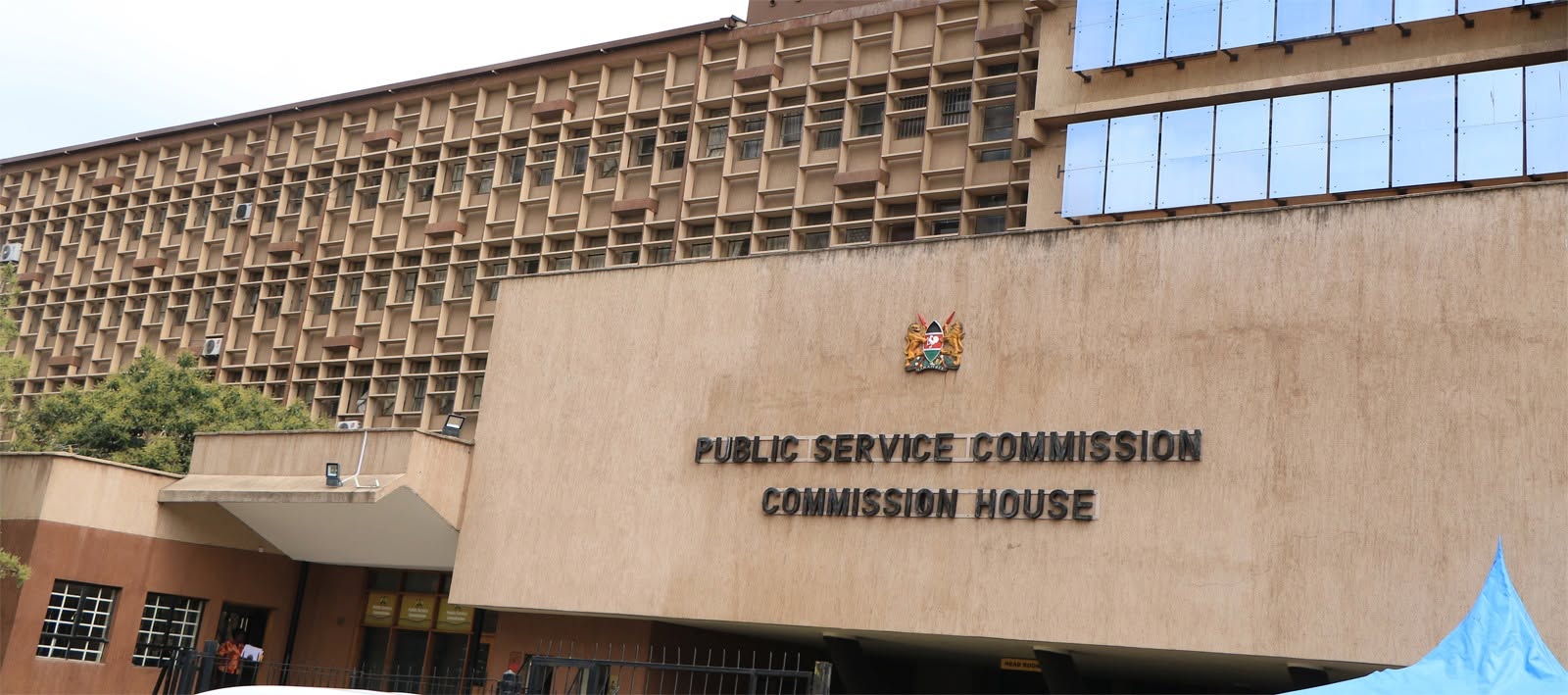
Public Service Commission has issued new guidelines setting retirement ages for academic and research staff in public institutions between 60 and 75 years, depending on rank, employment terms, and disability status.
As reported by Eastleigh Voice, PSC CEO Paul Famba said the directive aims to ensure uniformity in human resource management across the public service.
Under the rules, professors and research professors on permanent terms will retire at 70 years, or 75 years for persons with disabilities.
Associate professors and senior lecturers will retire at 65 years (70 with disability), while lecturers and junior research fellows will retire at 60 years (65 with disability).
Non-teaching staff will retire at 60 years, or 65 years for persons with disabilities.
Insurance Regulatory Authority has placed Trident Insurance Company, KUSCCO Mutual Assurance, and Corporate Insurance Company under statutory management following persistent financial deterioration and failure to meet mandatory solvency requirements.
Effective 11 March 2026, operations will be taken over by the Policyholders Compensation Fund (PCF) to protect policyholders, creditors, and the public.
IRA said the move follows extensive supervisory engagement and regulatory interventions that failed to restore compliance.
Under statutory management, PCF will oversee operations, assess liabilities, verify claims, and ensure orderly resolution of obligations. The authority assured stakeholders that measures are in place to safeguard interests while maintaining confidence in Kenya’s insurance sector. Read more
.png)


Join 1.5M Kenyans using Money254 to find better loans, savings accounts, and money tips today.


Money 254 is a new platform focused on helping you make more out of the money you have. We've created a simple, fast and secure way to find and compare financial products that best match your needs. All of the information shown is from products available at established financial institutions that our team of experts has tirelessly collected.