News and Analysis
October 14, 2026


Hello and welcome to the Money News Roundup Newsletter, where we are covering the court's nullification of a tax imposed on palm oil. We also cover why road maintenance has hit a new low despite increased levy collections.
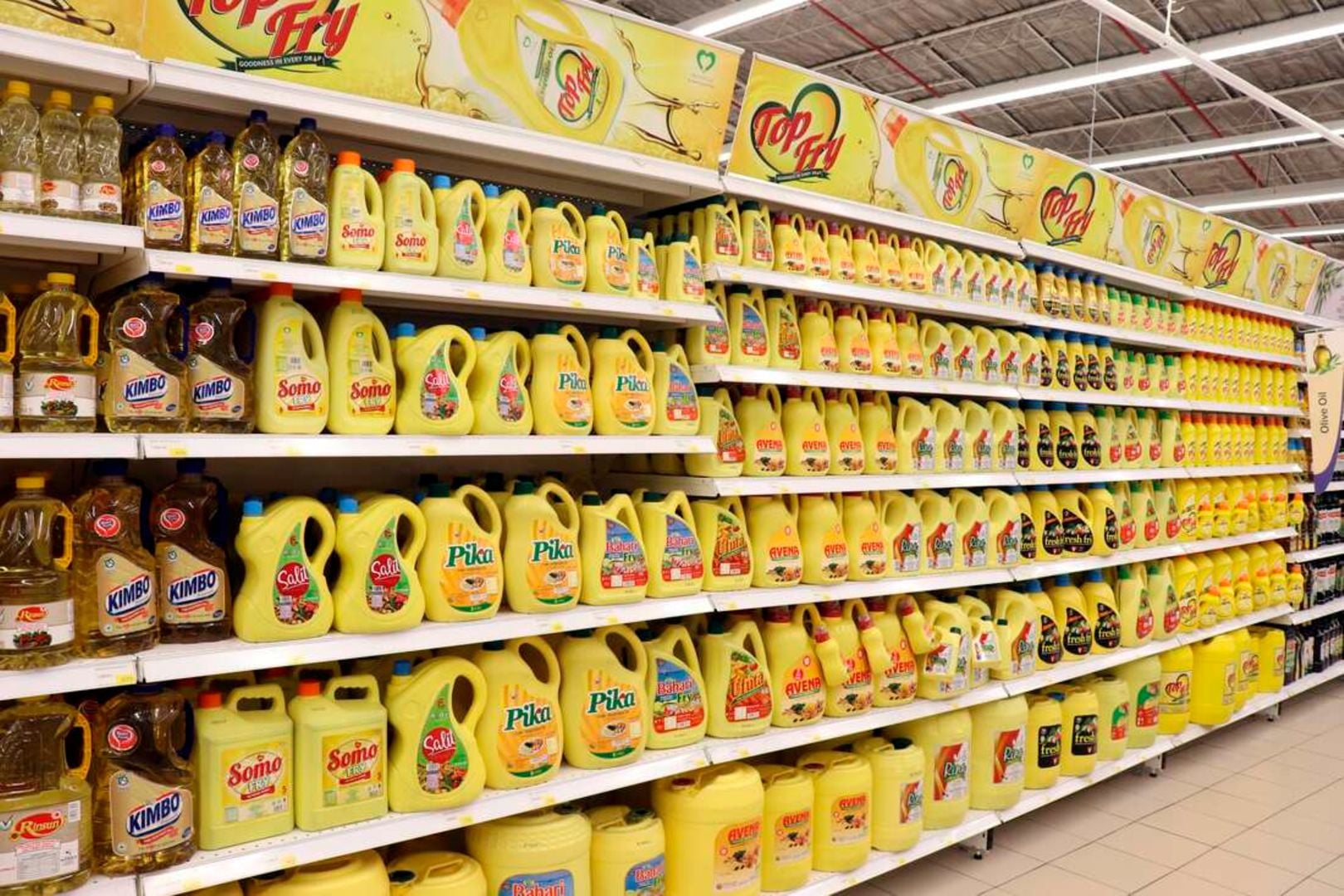
Kenyans are set to benefit from lower cooking oil prices after the High Court overturned the government’s decision to impose a 10% import duty on crude palm oil.
In a ruling by Justice Bahati Mwamuye, the court declared the tax unconstitutional, citing a lack of parliamentary approval and meaningful public participation.
The levy, introduced in July 2024 through an East African Community Gazette Notice, had replaced a zero-rated duty and contributed to higher edible oil prices.
According to manufacturers, the price of a 20-litre jerrycan of cooking oil increased from approximately Ksh3,800 to Ksh4,200 after the tax was imposed.
Manufacturers had also cited a rise in the cost of products such as margarine and soap. Food items such as chapati and bread were also affected by the increase in cooking oil prices.
The case was filed by the Consumers Federation of Kenya (Cofek), which argued that the tax was imposed without consultation and breached constitutional safeguards. The court agreed, stating that taxation powers rest with Parliament and cannot be exercised unilaterally by the Executive or through regional mechanisms.
As in the Business Daily, the court noted that bypassing public participation denied Kenyans a voice on a policy directly affecting food affordability and dignity. The court barred authorities from enforcing the duty and ordered that future EAC-related tax measures undergo proper parliamentary and public scrutiny.
The total length of roads repaired by the State fell by 28% to 35,965 kilometres in the year ended June 2025, marking the lowest level of road maintenance in six years as the government scaled back development spending, including funds for road upkeep.
For the first time in nearly a decade, road agencies failed to meet their annual maintenance targets, falling short by 5,148 kilometres—roughly equivalent to the distance required to traverse Kenya’s borders.
The Department for Roads attributed the shortfall to reduced allocations from the Road Maintenance Levy Fund (RMLF), noting that part of the levy was diverted to administrative expenses and loan securitisation.
In contrast, the previous year saw agencies exceed targets after repairing 50,094 kilometres against a target of 43,532 kilometres.
Data from the Kenya Roads Board shows that allocations to the Kenya National Highways Authority (KeNHA), Kenya Urban Roads Authority (KURA), and Kenya Rural Roads Authority (KeRRA) were cut. KeNHA experienced the largest reduction, with its budget falling from Ksh20.6 billion to Ksh16.8 billion. KeRRA’s allocation dropped by Ksh1 billion to Ksh18.1 billion, while KURA’s fell by Ksh2.4 billion to Ksh6.6 billion. Kenya Wildlife Service also saw its allocation reduced by Ksh60.8 million to Ksh639 million.
The Business Daily noted that these cuts came despite increased fuel consumption, which should have boosted levy collections. Diesel consumption rose to 2.3 million tonnes from 2.1 million, while super petrol increased to 1.6 million tonnes from 1.4 million.
Kenyans have left unclaimed shares worth Ksh67.16 billion across 47 companies listed on the Nairobi Securities Exchange, underscoring challenges faced by the State in reuniting assets with their owners.
Data from the Unclaimed Financial Assets Authority (UFAA) shows Safaricom leads with 705.46 million unclaimed shares valued at Ksh20.28 billion. KCB Group follows with Ksh11.16 billion worth of shares, while East African Breweries Plc has Ksh5.54 billion unclaimed. In total, the firms held about 1.85 billion unclaimed shares as of September.
Shares are classified as abandoned when dividends remain unclaimed for more than three years, and companies lose contact with the owners. UFAA has struggled with reunification, achieving a rate of below 5% due to lengthy verification processes, low awareness, and high claiming costs.
Other major unclaimed holdings include Co-operative Bank, NCBA, and Absa. UFAA has decentralised services to Huduma Centres and proposed legal changes, but challenges persist, including its inability to directly manage non-cash assets such as shares.Read more
Also Read: How Your Money Becomes an Unclaimed Asset and How to Claim It From Govt
Small banks increased their share of Kenya’s banking sector profits in the nine months to September 2025, signalling renewed customer confidence after years of deposit flight sparked by the collapse of three small lenders in 2015 and 2016.
Central Bank of Kenya data shows large banks’ contribution to industry profits fell to 83.3 percent from 89 percent in December 2024, as smaller players posted stronger growth.
Pre-tax profits for the industry rose 11.8 percent to Ksh227.9 billion. Profits at 29 small and mid-sized banks grew by an average 31 percent, far outpacing the 8.6 percent increase recorded by nine large banks.
High liquidity, eased cash reserve ratios and slower private sector borrowing helped smaller lenders improve margins. Several, including HF Group and Sidian Bank, recorded sharp profit surges, while some large banks posted declines due to one-off costs and weaker interest income. Read more.
Kenya has made its first-ever appearance in the IMD World Competitiveness Ranking, emerging as Africa’s most competitive economy and ranking 56th globally in the 2025 index published by the International Institute for Management Development (IMD).
Kenya joins Namibia and Oman as the latest entrants in the ranking’s 37-year history. Switzerland, Singapore, and Hong Kong topped the global list.
IMD said Kenya’s debut places it on the global competitiveness map at a time of shifting economic priorities, regional realignments, and increased focus on government efficiency. The report shows Kenya’s overall performance has improved steadily since 2021, peaking in 2024 before easing slightly in 2025.
Strong gains were recorded in the domestic economy, international trade, and institutional framework, reflecting progress in macroeconomic stability and governance reforms.
However, the country continues to lag in scientific infrastructure, technological readiness, and education, while social indicators posted mixed results. The ranking also highlighted risks weighing on Kenya’s competitiveness, including civil unrest, demonstrations, severe flooding caused by heavy rains, and heightened political instability, such as the impeachment of the deputy president.
As reported by the Star, rising public debt and higher taxes on individuals and businesses were also cited as factors straining economic confidence.
More than 400,000 teachers have been migrated to the Social Health Authority (SHA) medical scheme, replacing the Ksh15 billion Minet/AON cover that has been in place since 2015. The new Ksh20 billion scheme, implemented by the Teachers Service Commission through the Public Officers Medical Scheme Fund, takes effect as Minet’s cover expired on November 30.
The transition comes amid challenges, with teachers reporting difficulties registering on the SHA system, delayed one-time passwords, unclear instructions, and concerns over limited accredited facilities in some regions.
As reported by EastLeigh Voice, two teachers have moved to court seeking to block the migration, arguing it is unlawful and alters terms of service, but the court declined to halt the rollout, setting a hearing for December 10.
TSC says SHA offers expanded benefits, automated approvals, and access to over 9,000 facilities nationwide.
Unions have urged teachers to remain calm, assess the scheme, and allow six months for review, noting an exit clause if the cover proves inadequate.
The Nairobi Securities Exchange (NSE) and the National Securities Exchange of Somalia (NSES) have signed a Memorandum of Understanding aimed at deepening cooperation in East Africa’s capital markets.
As in the Kenya News Agency, the agreement covers technology sharing, dual listings, investor education, and the development of Shariah-compliant instruments such as Sukuk bonds. It links Somalia’s newly established exchange with one of Africa’s most experienced bourses as NSES prepares to begin trading in early 2026.
NSE Chief Executive Frank Mwiti said the partnership supports regional connectivity, liquidity, and inclusive growth, positioning Nairobi as a gateway for regional capital. NSES Chief Executive Yasin M. Ibar said the deal will help move Somali businesses from informal funding models to a transparent, regulated marketplace.
The two exchanges will form a joint working committee to implement the partnership, boosting regional integration, diaspora participation, and cross-border investment in line with AfCFTA and EASEA frameworks.
As reported by Business Insider, the European Parliament has threatened Tanzania with sanctions amid its criticism of Tanzania over worsening human rights conditions following the disputed October 2025 elections.
In a resolution passed with 539 votes in favour, none against and 27 abstentions, lawmakers condemned alleged mass killings, arbitrary arrests and a crackdown on political opposition after President Samia Suluhu Hassan’s re-election bid. Opposition groups and observers said the polls were flawed, citing intimidation, exclusion of candidates, and alleged ballot tampering.
The Parliament expressed alarm over reports that up to 1,000 people were killed during post-election protests, including claims of mass graves. It strongly condemned the arrest of opposition leader Tundu Lissu, describing his detention as arbitrary and politically motivated, and demanded his immediate release.
MEPs called for an African-led independent inquiry, urged potential EU sanctions, and pressed the bloc to halt direct support to Tanzanian authorities while increasing aid to civil society, journalists, and human rights defenders.
Tanzania has overtaken Kenya as Uganda’s top import source, signalling a major shift in East Africa’s trade dynamics. Bank of Uganda data shows imports from Tanzania surged from Ksh61 billion ($475.95 million) in 2023 to Ksh284 billion by June 2025, compared to Kenya’s Ksh245 billion ($1.19 billion).
Tanzania now supplies Uganda with fuel, bulk commodities, agricultural staples, construction materials, and some manufactured goods, while Kenya remains a key supplier of processed and industrial products.
As in the Daily Monitor, about 70% of Tanzanian exports to Uganda are agricultural, highlighting complementary trade patterns between the two neighbours.
Economists note that this shift strengthens Uganda’s reliance on the Central Corridor, elevates Tanzania’s regional trade influence, and challenges Kenya’s historic dominance, reshaping East African import hierarchies.
The trade between Uganda and Tanzania could continue to grow, given that Uganda signed an agreement to transport fuel products through Tanzania. Initially, Uganda has relied on Kenya for imports.
Uganda then opted for Tanzania following concerns of high fuel costs that had been contributed by Kenyan middlemen.
.png)


Join 1.5M Kenyans using Money254 to find better loans, savings accounts, and money tips today.


Money 254 is a new platform focused on helping you make more out of the money you have. We've created a simple, fast and secure way to find and compare financial products that best match your needs. All of the information shown is from products available at established financial institutions that our team of experts has tirelessly collected.





![Kenya's Richest Counties By Contribution to GDP [2026]](https://cdn.prod.website-files.com/6038c1030be2580db46ccf46/6acf79cc000d099ee32f507a_top%20image%20%2B%20Templates%20%20-%202026-10-14T154332.222.jpg)