News and Analysis
November 11, 2026


Hello and welcome to the Money News Roundup. Today, we cover Kenya’s decision to reject a US Ebola quarantine plan and the government’s extension of relaxed sulphur limits for petrol and diesel.
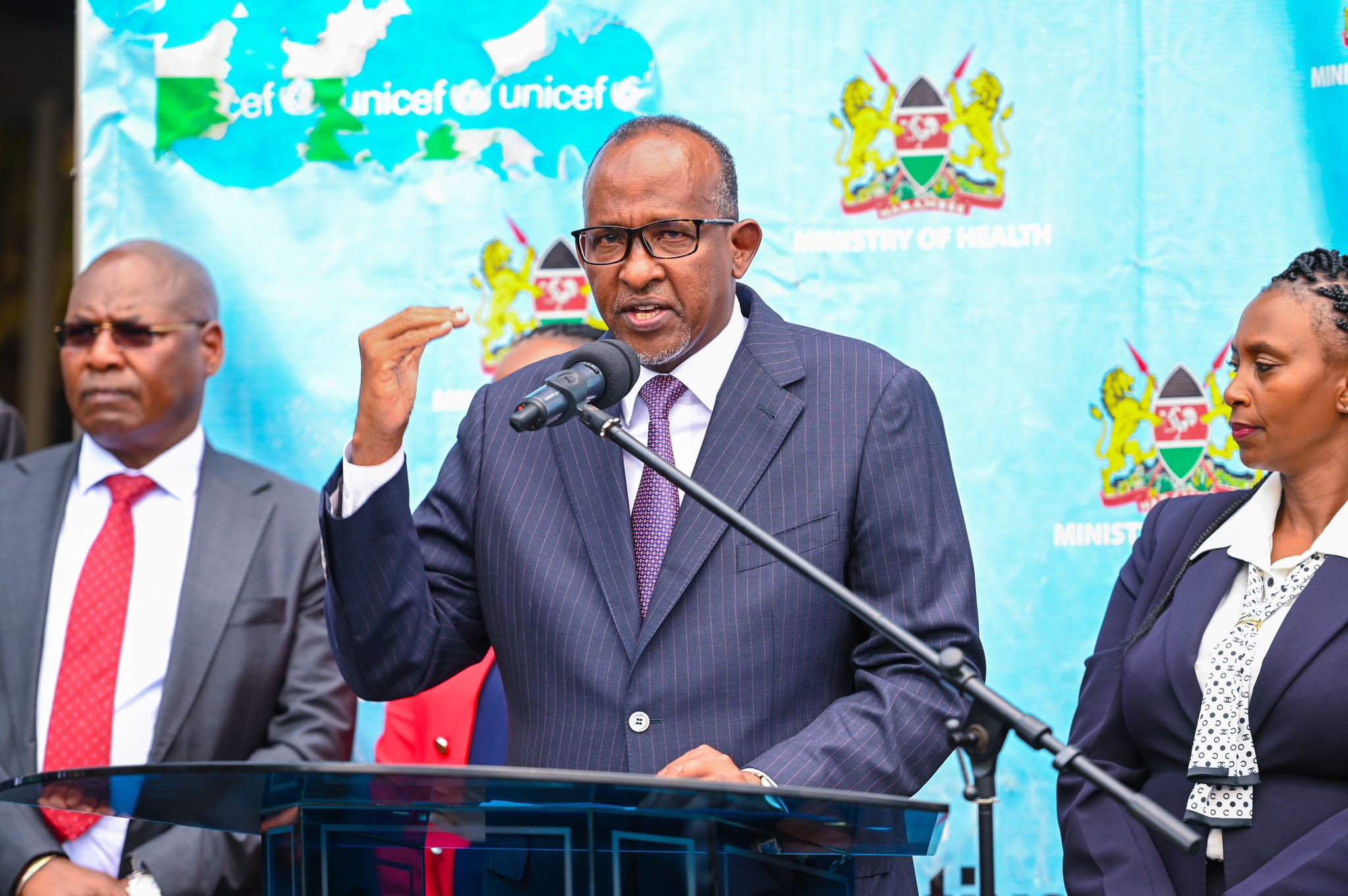
Health CS Aden Duale has announced that Kenya will not serve as a quarantine centre for travellers heading to other countries, effectively rejecting plans to host an Ebola isolation facility for US citizens.
As reported by Bloomberg, Duale said the government would not detain travellers to meet entry requirements imposed by foreign countries or issue quarantine and Ebola-free certificates for travel purposes.
"Allow me to make this clear: Kenya will not be a quarantine hub for any jurisdiction. Travellers coming from other countries will not be held in Kenya in order to comply with that other country’s entry requirements," he said
He maintained that Kenya remained open to tourism, business and international travel, with no restrictions on movement or public gatherings.
Earlier in the year, the US announced that Kenya had agreed to establish a 50-bed US-funded Ebola isolation centre at a military facility in Nanyuki, Laikipia County to serve its citizens exposed to the virus.
However, the court halted the plans. The project also faced opposition from civil society organisations, local leaders and residents over public health risks and transparency concerns.
However, Duale declined to disclose the government's plans for the facility, saying the matter remained before the courts.
The World Bank wants the National Treasury to notify Parliament earlier about emergency spending requests to curb excessive government expenditure and reliance on supplementary budgets.
As reported by Business Daily, the lender says Article 223 of the Constitution, which allows the government to withdraw unbudgeted funds before seeking parliamentary approval within two months, has increasingly been abused to finance predictable expenses.
It wants emergency spending strictly limited to unforeseen and unavoidable needs, with requests supported by evidence and subjected to greater parliamentary scrutiny.
Government expenditure by ministries and state agencies deviated by a record 15% from the original budget in the 2025/26 financial year. The approved budget of Ksh4.239 trillion was revised upwards to Ksh4.656 trillion before closing at Ksh4.484 trillion in June 2026.
The government has extended the temporary adjustment of sulphur limits in petrol and diesel by another six months amid continued uncertainty in global petroleum markets.
As reported by Citizen Digital, Trade CS Lee Kinyanjui said the decision followed concerns over geopolitical tensions in the Middle East and disruptions to global supply chains, particularly through the Strait of Hormuz.
The extension allows petrol and diesel to contain up to 50mg/kg of sulphur under the applicable Kenyan standards.
The measure seeks to widen fuel supply sources and prevent potential shortages. The government will review the adjustment after six months or earlier if global supply conditions improve.
Sudan has lifted its ban on Kenyan tea imports, reopening a market that previously purchased approximately 35 million kilogrammes annually, valued at Ksh9 billion.
As reported by the Star, the decision was formalised through Ministerial Order No. 25 of 2026, issued on November 8 and signed by Sudan's Industry and Trade Minister Mahasin Ali Yaqoub.
The ban, imposed in March 2025 following deteriorating diplomatic relations, had left 207 containers stranded at the Port of Mombasa, while tea worth over Ksh3.1 billion was in transit or awaiting shipment.
The lifting of the restriction allows Kenyan exporters to resume accessing the Sudanese market, although shipment timelines remain unspecified.
Co-operative Bank of Kenya has increased its interim dividend by 50% to Ksh1.50 per share after its net profit rose 27.2% to Ksh27.43 billion for the nine months ended September 2026.
As reported by the Business Daily, the dividend translates to Ksh8.8 billion, up from Ksh5.86 billion paid in a similar period last year. Payments will be made around December 4 to shareholders registered by November 25.
The lender's net interest income increased 12.7% to Ksh51.03 billion, while non-interest income grew 9.2% to Ksh24.14 billion.
Its non-performing loans ratio improved to 12.9% from 17.1%, while customer deposits increased 15.4% to Ksh633 billion.
The Competition Authority of Kenya (CAK) has warned retailers against exploiting suppliers through unfair commercial terms, including delayed payments, forced rebates and transferring operational costs to smaller businesses.
As reported by Citizen Digital, Director-General David Kemei said supply agreements must result from genuine negotiations rather than being dictated by buyers with stronger bargaining power.
Other prohibited practices include unilaterally terminating contracts, rejecting goods without valid reasons and restricting suppliers from selling to competing buyers.
CAK warned that businesses found guilty of abusing buyer power face fines of up to Ksh10 million, imprisonment of up to five years, or both.
The High Court has upheld a Capital Markets Authority (CMA) order directing stockbroker Suntra Investments to restore 212,500 Safaricom shares wrongly allocated to two individuals during the telco's 2008 IPO.
As reported by Business Daily, the shares are currently valued at Ksh7.3 million, while Suntra must also pay Ksh2.4 million in accrued dividends to their rightful owner, Wanjugi Discount Stores Limited.
The court dismissed Suntra's appeal, ruling that the broker remained responsible for verifying investor details and reconciling records even after forwarding applications to receiving banks.
The dispute arose after Wanjugi applied for one million shares but received none of its rightful allocation.
KCB Group increased lending to the agricultural sector by 50% to Ksh75.4 billion in 2025, up from Ksh50.6 billion in 2024, to support climate-resilient farming and businesses across the value chain.
As reported by Citizen Digital, the bank also disbursed Ksh48.8 billion in green financing in 2025, following Ksh53.2 billion in 2024. Green loans accounted for 25.8% of its total loan book, exceeding its 25% target.
The agricultural financing covered fertiliser suppliers, tea processors and dairy producers, alongside renewable energy, clean transport and climate-smart farming projects.
Also in the News


Join 1.5M Kenyans using Money254 to find better loans, savings accounts, and money tips today.


Money 254 is a new platform focused on helping you make more out of the money you have. We've created a simple, fast and secure way to find and compare financial products that best match your needs. All of the information shown is from products available at established financial institutions that our team of experts has tirelessly collected.