Savings Accounts
August 24, 2026



Many parents desire to raise children who are financially independent and responsible in managing money from an early age.
But teaching financial literacy is becoming increasingly complex as children grow up in a world dominated by technological advancements such as mobile money and digital payments.
In the past, children often learned about money through simple methods such as pocket money, piggy banks, or occasional lessons about saving. Today, however, financial literacy is evolving.
As a result, a growing number of apps, junior banking products, games, and educational platforms are emerging to help families turn everyday activities into practical money lessons for children. Here are some tools to use.
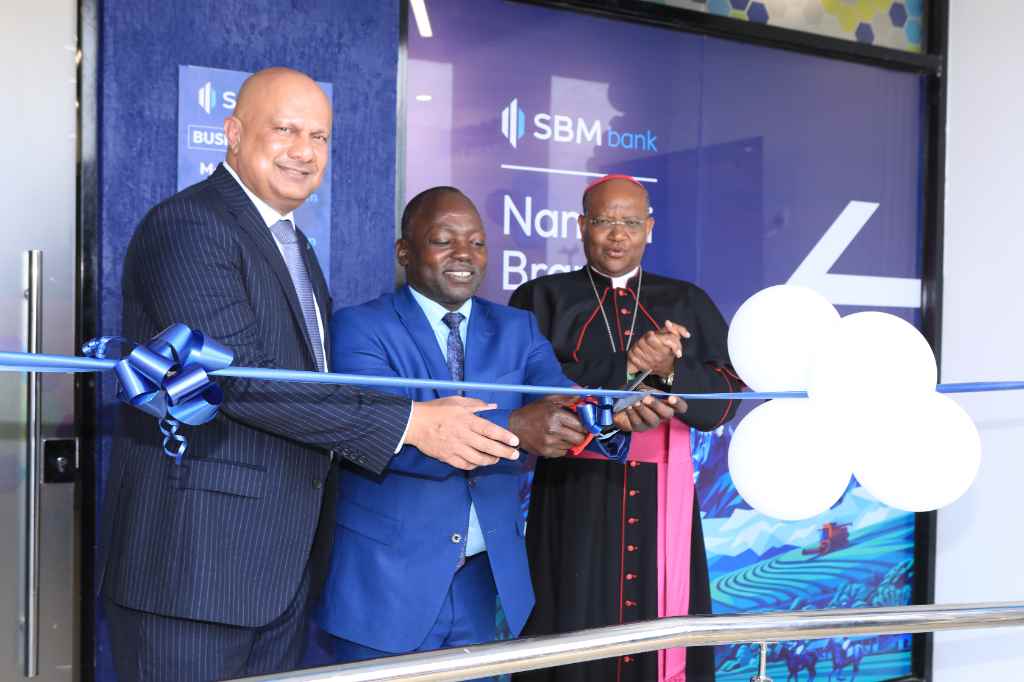
One of the apps is the Busara Banking App by SBM Bank Kenya. The app is designed to help children learn how to save, spend, and understand money within a supervised environment managed by parents.
Through the platform, parents can assign chores or tasks and link them to allowances or rewards. Once a child completes the task, the parent can approve payment digitally, allowing children to earn and manage money while understanding the relationship between work and reward.
The App also includes educational content on saving, responsible spending, goal setting, and budgeting.
M-Pesa Go by Safaricom is designed for children aged between 10 and 17 years. The platform allows young users to send and receive money, buy airtime, and make selected digital payments within a controlled environment supervised by parents or guardians.
This platform introduces children to the realities of digital money management while limiting exposure to risky financial products such as loans, betting, or forex payments.
Parents can also monitor spending and set transaction limits, helping children learn budgeting and spending discipline in a guided way.
Parents can also use junior bank accounts to teach children how banking works.
These accounts, usually offered by banks, allow children to save money gradually while learning concepts such as balances, deposits, and goal-oriented saving.
The advantage of these accounts is that they help children develop a sense of ownership and responsibility around money from an early age.
Additionally, with the advancement in technology, these banking apps are usually digital, hence ease of accessibility. On the other hand, the savings also earn interest, allowing for kid’s saving to also get a sense of reward in saving.
For parents looking to introduce older children to investing concepts, there are platforms like Ndovu Wealth.
The platform encourages parents to use real-life investing examples to teach children concepts such as saving, budgeting, goal setting, and long-term wealth creation.
By showing children how money grows over time through saving and investing rather than simply telling them about it, the approach helps children understand delayed gratification and long-term financial planning.
Financial literacy tools are not limited to banking products. Educational programs and games are also playing a growing role.
Cha-Ching Money-Smart Kids, a financial literacy program developed by Prudence Foundation in partnership with Cartoon Network. The program uses animated music videos, games, activities, and online content to teach children the basics of earning, saving, spending, and donating money.
Instead of formal classes, children learn through storytelling, music, and interactive activities.
Monopoly Junior, a simplified version of the classic Monopoly game designed for younger players.
While it may appear to be just entertainment, the game introduces children to concepts such as budgeting, counting money, making purchases, collecting rent, and making financial decisions. Through gameplay, children learn basic math, understand the value of money, and begin thinking strategically about spending and saving.
Globally, there are also several digital tools specifically designed to teach children money management skills.
For example, Greenlight is widely used in the United States to teach children budgeting, saving, and spending through supervised debit cards and parental controls. GoHenry focuses on helping children learn responsible spending and money management through prepaid cards and savings goals. Meanwhile, PiggyBot helps younger children learn saving and allowance management digitally.
Other tools focus on investing education. BusyKid teaches children how to divide money between spending, saving, investing, and giving, while RoosterMoney helps families teach budgeting and chore-based earning systems.
.png)


Join 1.5M Kenyans using Money254 to find better loans, savings accounts, and money tips today.


Money 254 is a new platform focused on helping you make more out of the money you have. We've created a simple, fast and secure way to find and compare financial products that best match your needs. All of the information shown is from products available at established financial institutions that our team of experts has tirelessly collected.





%20(1).jpg)


.jpg)

.jpeg)


.jpg)