Money Psychology
September 10, 2026


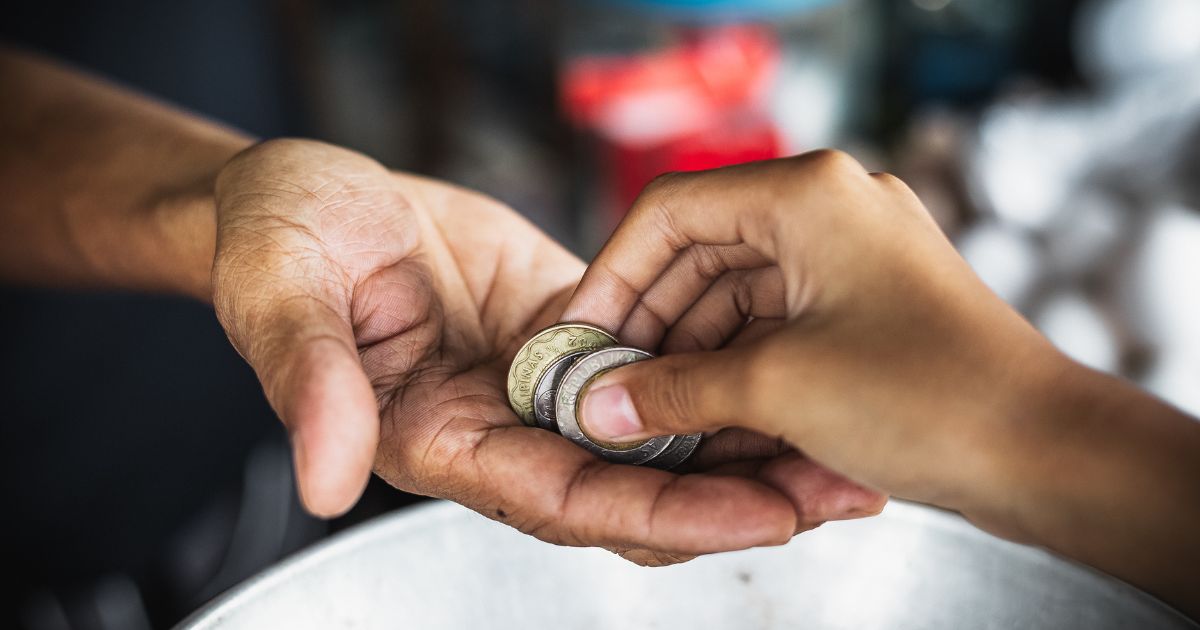
Most people have experienced it. A friend asks for Ksh50 to top up their matatu fare. Another needs Ksh100 for lunch and promises to send it back later. The amount is small, so you don't think much about it.
But days pass. Then weeks. They never repay.
Surprisingly, you find yourself becoming increasingly irritated. Not because Ksh50 will make or break your finances, but because the situation feels bigger than the money itself.
This raises an interesting question: Why can such a small amount create so much tension between friends?
The answer lies in psychology. When people argue over small debts, the conflict is often not about the amount involved.
Also Read: Why Some People Are Always Borrowing Money from Friends & Family
Instead, the unpaid money becomes a symbol of something deeper. This is respect, trust, accountability, and consideration.
When someone ignores a small debt, the lender may interpret it as a sign that the relationship is not being valued.
This is why many people say, "It's not even about the money."
In most cases, they're right. Interestingly, small debts can feel more frustrating than large ones because there appears to be no reason not to repay them.
If someone owes you Ksh50 for a matatu fare, your brain naturally thinks why they have not paid it back, if it is a small amount.
The smaller the debt, the less acceptable the excuse feels. As a result, frustration grows faster than it would for a larger loan, where delays may seem more understandable.
Psychologists have long found that people are highly sensitive to fairness. Even minor imbalances can trigger emotional reactions.
When you help a friend with Ksh100 and they fail to return it, your brain sees more than a financial transaction. It sees an unfair exchange.
You kept your side of the agreement. They didn't. The amount becomes less important than the feeling that the relationship is no longer balanced.
Also Read: Why People Lie About Money
Friendships are built on trust. That is why small debts often carry surprising emotional weight.
When repayment doesn't happen, people begin questioning not just the money, but the person's reliability. A small debt can quietly become a trust issue.
Ironically, people often remember small debts longer than large ones. That's because these debts usually occur during ordinary social interactions. They are tied to specific moments and relationships.
You may forget where Ksh5,000 went last year. But you'll remember the friend who still owes you Ksh100 from that lunch three months ago.
The memory sticks because it carries emotional meaning.
Ksh50 may be a small amount of money. But when it comes to friendships, it can represent much more than its value.
Small debts often become symbols of trust, fairness, and respect. That is why failing to repay them can create emotions that seem completely out of proportion to the amount involved.
The next time you hear people fighting over 50 bob or 10 bob, remember that people are rarely reacting to the money itself. They're reacting to what the money represents.
.png)


Join 1.5M Kenyans using Money254 to find better loans, savings accounts, and money tips today.


Money 254 is a new platform focused on helping you make more out of the money you have. We've created a simple, fast and secure way to find and compare financial products that best match your needs. All of the information shown is from products available at established financial institutions that our team of experts has tirelessly collected.







.jpg)


%20(1).jpg)