Money Psychology
September 18, 2026


Have you ever noticed that some people seem to be travelling all the time, yet they don't appear to earn significantly more than everyone else?
Meanwhile, many people with similar or even higher incomes keep wondering how they can afford it. The answer isn't always that they have more money. In many cases, they simply think about money differently.
Their financial decisions are often shaped by psychological habits that help them prioritise travel without necessarily increasing their income.
Also Read: I Rode a Motorbike from Nairobi to Turkana for 10 Days; Here's What Surprised Me
One of the biggest differences lies in something psychologists call mental accounting.
People naturally divide their money into different mental categories. Frequent travellers often create a dedicated travel fund that they rarely touch for anything else.
Instead of viewing travel as something they'll do if money is left over, they treat it like any other financial commitment.
For example, someone may automatically transfer Ksh5,000 into a travel savings account every month. When friends invite them for expensive weekends out or impulse shopping, they are less likely to dip into that money because, psychologically, it has already been assigned a purpose.
Frequent travellers also tend to be comfortable postponing small pleasures in exchange for a bigger reward later.
Rather than upgrading their phone every year, buying new clothes every month, or eating out several times a week, they consciously redirect some of that money towards future experiences.
To many people, saying no to today's spending feels like deprivation. To frequent travellers, it feels like getting closer to the next trip.
The destination becomes the reward that makes short-term sacrifices easier.
Also Read: I'm Paying for a Ksh200K Dubai Holiday Without Touching My Savings
Another powerful psychological habit is thinking in terms of opportunity cost.
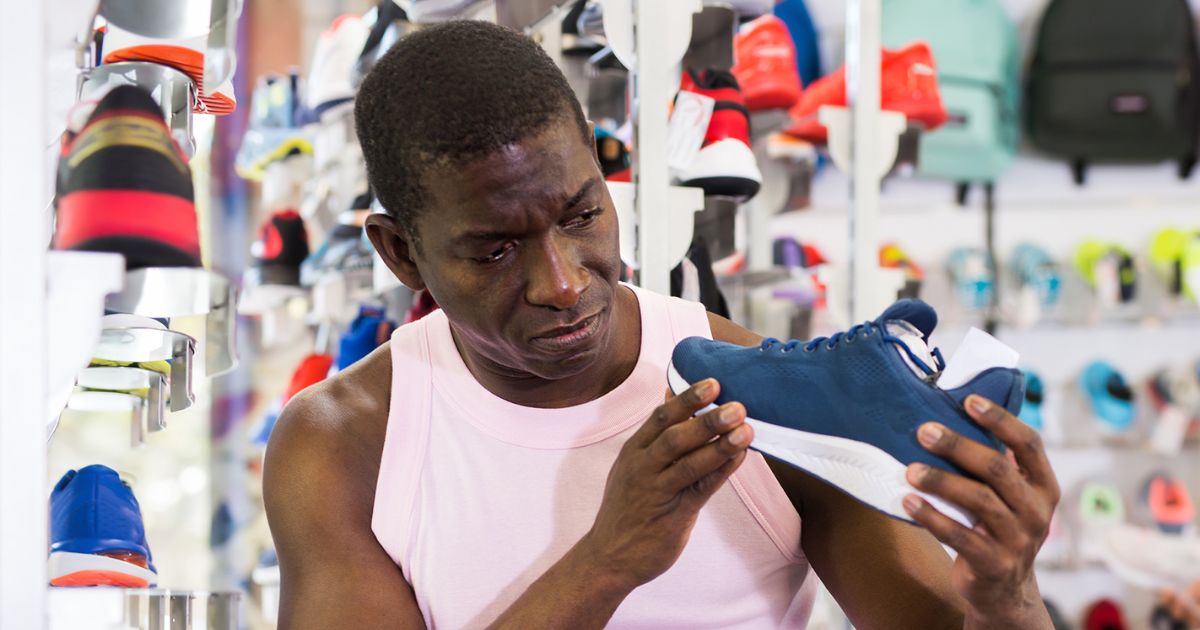
For example, that Ksh8,000 pair of shoes may also represent two nights in Naivasha. A series of food deliveries throughout the month could easily equal the cost of a return flight to Mombasa during a promotion.
This doesn't mean they never spend on themselves. It simply means every purchase competes against something they value more.
People who travel frequently tend to place a higher emotional value on experiences than on accumulating more possessions. This mindset naturally influences how they allocate their money.
Interestingly, psychologists have identified something known as the Pre-Celebration Effect, the tendency for people to spend more in anticipation of an exciting event. Before a holiday, many people feel compelled to buy new clothes, new shoes or a new suitcase because they want everything to feel ‘new’ for the trip.
Frequent travellers are often better at resisting this urge. Instead of spending thousands of shillings preparing for the holiday, they focus on what they believe will create the most lasting memories: the destination, the activities, and the experiences themselves.
Many frequent travellers book transport months in advance, compare accommodation options, monitor airline promotions, and avoid travelling during peak seasons.
Psychologically, planning reduces the pressure of making expensive last-minute decisions.
Instead of seeing travel as a luxury purchase, they treat it as a planned financial goal.
.png)


Join 1.5M Kenyans using Money254 to find better loans, savings accounts, and money tips today.


Money 254 is a new platform focused on helping you make more out of the money you have. We've created a simple, fast and secure way to find and compare financial products that best match your needs. All of the information shown is from products available at established financial institutions that our team of experts has tirelessly collected.





.jpg)


![Kenya's Richest Counties By Contribution to GDP [2026]](https://cdn.prod.website-files.com/6038c1030be2580db46ccf46/6acf79cc000d099ee32f507a_top%20image%20%2B%20Templates%20%20-%202026-10-14T154332.222.jpg)