Money Psychology
September 18, 2026


Have you ever met a wealthy person who still wears old clothes for years, complains that things are too expensive, bargains aggressively over small amounts of money, or insists on splitting the bill exactly when going out with friends?
On paper, they clearly have money. They own property, run successful businesses, or earn well. Yet their spending habits often look surprisingly cautious, sometimes even stingy.
You may see them negotiating hard over the price of shoes they can comfortably afford or delaying replacing worn-out items even when upgrading would not affect them financially.
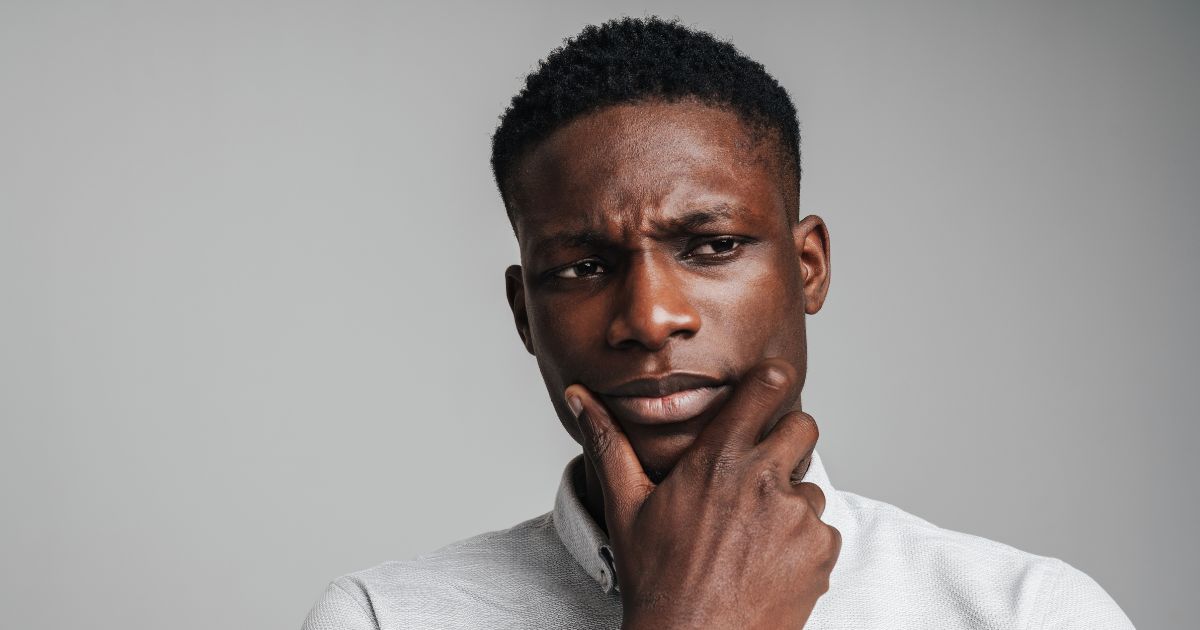
To many people, this behaviour feels confusing. If someone has money, why behave as though they don’t?
The answer often has less to do with stinginess and more to do with psychology.
Read Also: 6 Ways to Build a Positive Money Mindset
One of the biggest explanations is something psychologists call a scarcity mindset.
Many financially successful people did not grow up wealthy. They may have experienced periods where money was unpredictable, limited, or stressful. Even after becoming financially stable, their brain continues operating in survival mode.
As a result, spending money, even when affordable, can still trigger discomfort and caution.
To them, buying new clothes unnecessarily may feel wasteful rather than enjoyable. Bargaining over prices may feel responsible rather than embarrassing.
Their financial situation changed, but their emotional relationship with money often did not.
Also Read: Why People Lie About Money
Another major explanation comes from a concept known as loss aversion.
Psychologically, humans tend to feel the pain of losing money more strongly than the pleasure of gaining something new. Some people experience this more intensely than others.
This is why certain wealthy individuals hesitate to spend on themselves, overanalyse purchases, or constantly focus on “saving money” even when the savings are small.
For them, paying Ksh4,000 for shoes may not feel exciting. Instead, the brain focuses on the Ksh4,000 leaving their pocket.
This emotional discomfort can make financially comfortable people appear unusually stingy.
Also Read: Why Ksh900 Feels Easier to Spend Than Ksh1,000
For some people, careful spending is not just a habit. It becomes part of who they are.
Many successful individuals built wealth through discipline, sacrifice, delayed gratification, and avoiding unnecessary spending.
Over time, these behaviours become deeply tied to identity. Spending freely may actually feel irresponsible or emotionally uncomfortable.
Interestingly, some wealthy people fear losing money more than poor people fear not becoming rich.
Once someone experiences financial comfort, the brain becomes highly protective of that stability. Spending excessively can feel emotionally threatening because it creates fear of future uncertainty.
To outsiders, it may look like stinginess. But internally, it often feels like self-protection.
Not all wealthy people enjoy spending money freely. For some, money represents security, discipline, survival, and emotional control.
That is why someone can be financially successful yet still hesitate to buy new clothes, complain about prices, or negotiate aggressively over small expenses.
In the end, wealth changes bank accounts faster than it changes mindset.
.png)


Join 1.5M Kenyans using Money254 to find better loans, savings accounts, and money tips today.


Money 254 is a new platform focused on helping you make more out of the money you have. We've created a simple, fast and secure way to find and compare financial products that best match your needs. All of the information shown is from products available at established financial institutions that our team of experts has tirelessly collected.







.jpg)