News and Analysis
October 30, 2026


Hello and welcome to the Money News Roundup. Today, we cover the rising cost of the Bomas complex project and how hackers stole Ksh780 billion from Binance.
The cost of the Bomas International Convention Complex has increased by Ksh13.4 billion, rising from Ksh31.7 billion (USD245 million) when Cabinet approved the project in 2023 to Ksh45.1 billion (USD348 million).
The Standard, which quoted a 390-page contract it obtained, reveals that the Ksh41.9 billion (USD324.1 million) construction agreement with China Road and Bridge Corporation (CRBC) includes several additional allocations and luxury facilities.
The contract provides Ksh2.57 billion in percentage-based additions for design, contractor security facilities, furniture, kitchen equipment, data centre and consultancy.
It also allocates Ksh3.56 billion for a Presidential Area, alongside Ksh1.92 billion for conference systems and stage technology.
Other items include Ksh423 million for an automobile park management system and Ksh2.76 billion for architectural facade lighting.
The revelations come amid parliamentary demands for the contract, which the Ministry of Defence has withheld, citing national security and commercial confidentiality.
Binance, the world's largest cryptocurrency exchange, suffered a Ksh780 billion ($6 billion) cyberattack after North Korean hackers breached its systems on October 29, triggering an emergency response involving about 100 employees.
As reported by the New York Times, the attack, attributed to North Korea's TraderTraitor hacking group, forced Binance to suspend deposits and withdrawals as executives scrambled to contain the damage.
Crypto tracking firms Chainalysis and TRM Labs traced thousands of transactions as hackers moved the stolen digital assets. The FBI later confirmed North Korea's involvement.
Tether and Circle froze stolen cryptocurrency worth more than Ksh260 billion (USD2 billion), while Binance announced it had reserved Ksh824 billion (USD6.34 billion) to cover losses arising from the hack.
Binance co-CEO He Yi acknowledged security shortcomings, saying the company should have invested more heavily in cybersecurity.
As reported by Citizen Digital, as of Sunday evening, withdrawals had resumed.
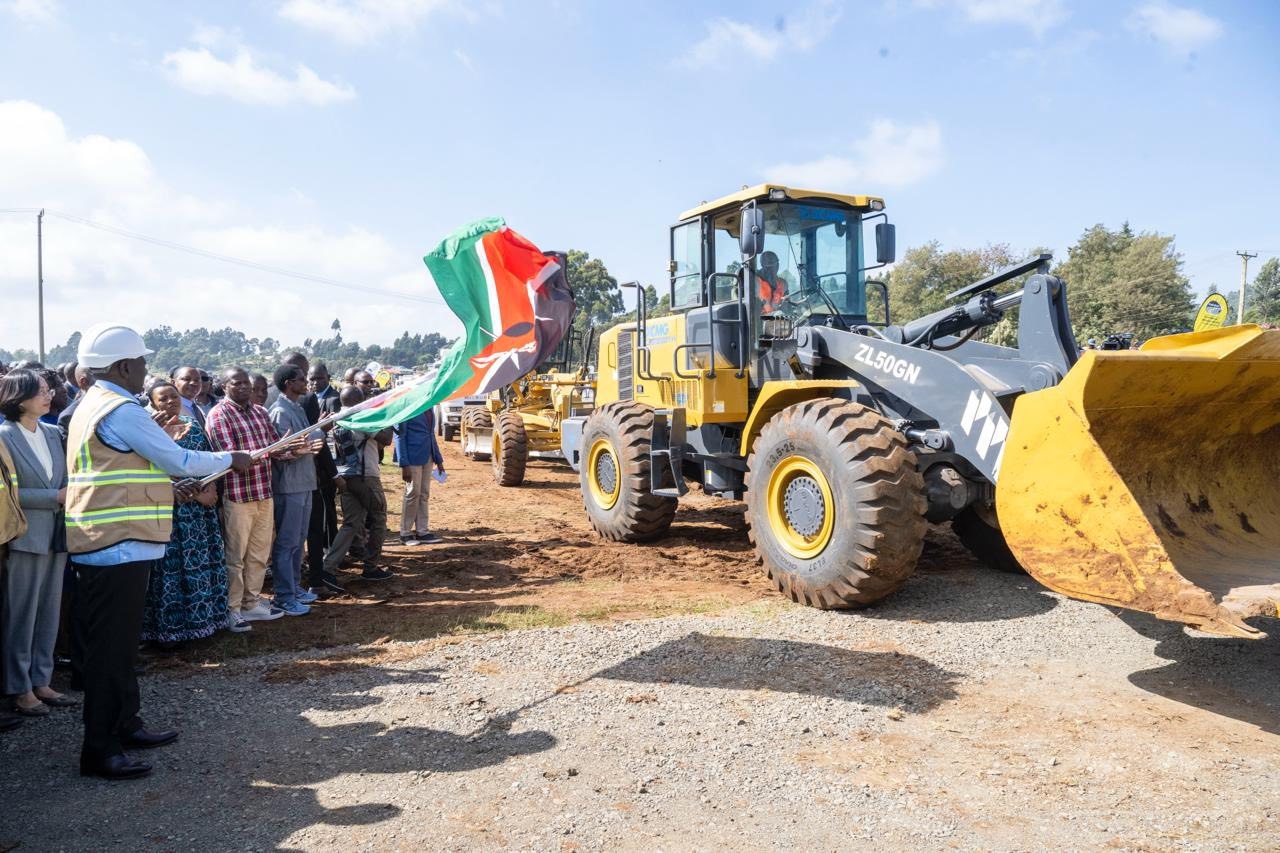
Transport CS Davis Chirchir has attributed delays in the construction of the Rironi-Mau Summit highway to bitumen shortages linked to geopolitical tensions and supply chain disruptions.
As reported by Citizen Digital, Chirchir said the challenges, experienced over the past two months, had slowed construction despite the deployment of more than 1,000 pieces of heavy machinery.
In September, Chirchir announced that the dualled section of the Rironi–Naivasha road would be opened to traffic by October 30.
Now, he estimates that the section will be open before the festive season to ease congestion.
The Ksh192 billion Rironi–Mau Summit highway project was launched in November 2025. The 233-kilometre project is being undertaken by China Road and Bridge Corporation (CRBC) and Shandong Hi-Speed.
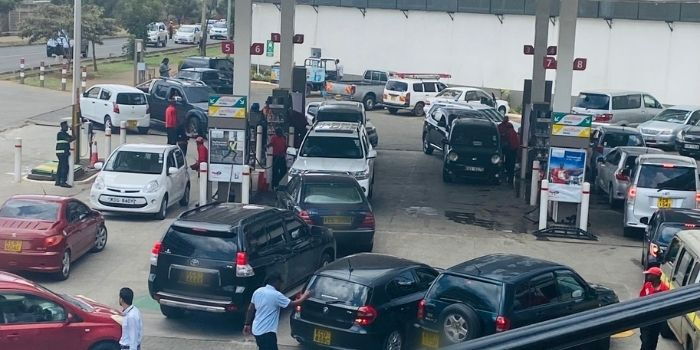
Stakeholders, including the E-Mobility Association, are urging Kenya to introduce fuel-efficiency standards for imported vehicles and machinery to reduce petroleum consumption and ease pressure on foreign exchange reserves.
As reported by the Star, petroleum imports remain a major source of dollar demand, with transport accounting for about 75% of domestic fuel consumption.
E-Mobility Association president Hezbon Mose says consumption grew 8.3% between 2023 and 2025. Experts warn the annual fuel import bill could rise from about Ksh101.8 billion($783 million) in 2025 to about Ksh133.5 billion ($1.3 billion) by 2040 without intervention.
Kenya had 33,800 registered electric vehicles by December 2025.
Kenya Railways has launched a vehicle transportation service on the SGR, starting with 24 cars transported from Mombasa to Nairobi.
As reported by the People Daily, the corporation targets moving approximately 700 vehicles monthly, offering car dealers, importers and motorists an alternative to road transportation.
Kenya Railways Managing Director Philip Mainga said the journey takes eight to nine hours, with each wagon carrying about six vehicles. The service will operate in both directions, allowing Nairobi residents to transport cars to and from Mombasa.
Customers will also track their vehicles through a manifest system. The initiative aims to generate additional revenue; however, the costs for the service are not known.
Faulu Microfinance Bank is shifting its lending strategy towards traders and small businesses, moving away from traditional loans largely backed by payslips and physical assets.
As reported by Capital Business, the bank is introducing asset financing, working capital and trade finance to help SMEs access credit without conventional collateral.
Faulu Senior Manager of Marketing and Communications, Gloria Kositany, said the lender now uses transaction data from its merchant platform to assess borrowers’ cash flows and repayment capacity.
The bank is also tailoring repayment schedules to the income cycles of businesses, including schools and property owners, while expanding customer support through business visits and financial advice.
Also in the News


Join 1.5M Kenyans using Money254 to find better loans, savings accounts, and money tips today.


Money 254 is a new platform focused on helping you make more out of the money you have. We've created a simple, fast and secure way to find and compare financial products that best match your needs. All of the information shown is from products available at established financial institutions that our team of experts has tirelessly collected.