News and Analysis
October 19, 2026


Hello and welcome to the Money News Roundup Newsletter, where we cover the move by the government to freeze accounts of Binance users. We also cover plans of the government to toll the Mau Summit-Eldoret-Malaba highway.
The government has frozen an undisclosed number of user accounts on Binance in its first major crackdown on the cryptocurrency sector, citing concerns over fraud, money laundering and terrorism financing.
As reported by the Business Daily, the government directed the exchange to suspend the accounts pending investigations, with some users reporting sudden restrictions that prevented them from accessing or converting their holdings into cash.
Binance confirmed the freeze, saying restrictions may arise from legal, regulatory or law enforcement requests but declined to disclose further details.
The move follows the enactment of new virtual asset regulations and growing pressure from global watchdogs such as the Financial Action Task Force and the International Monetary Fund.
Kenya was grey-listed in 2024 over gaps in combating illicit financial flows.
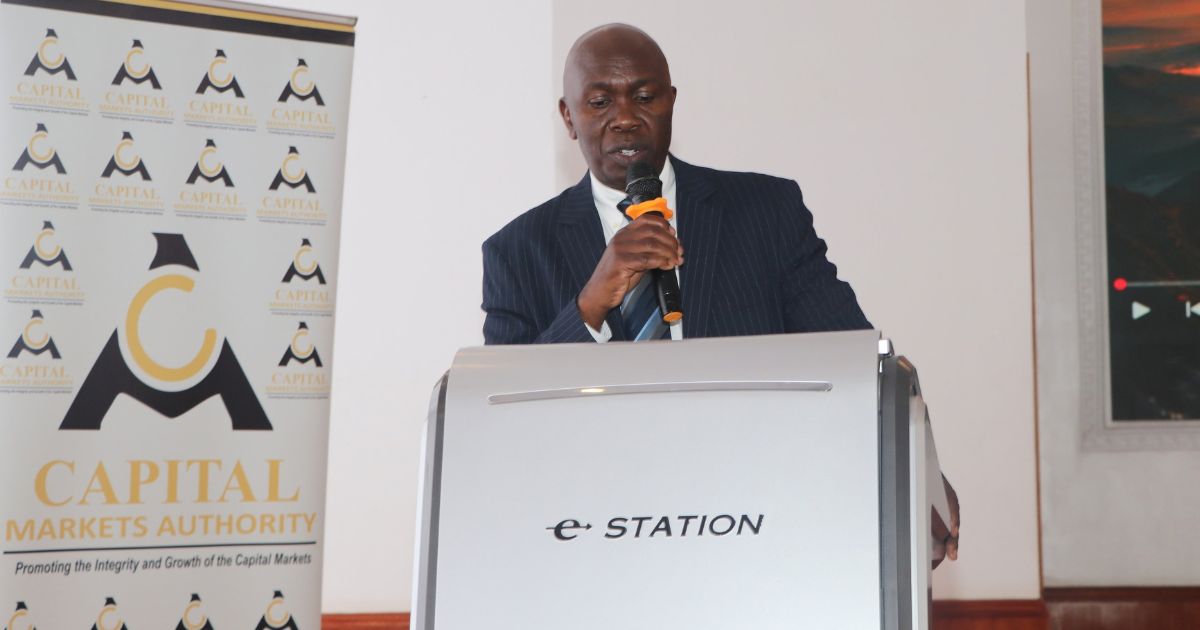
Authorities aim to tighten oversight through the Virtual Asset Service Providers Act, placing crypto firms under joint supervision of the Central Bank of Kenya and the Capital Markets Authority.
The National Assembly of Kenya has opened public participation on the Sacco Societies (Amendment) Bill, 2025, inviting submissions before April 24.
Sponsored by the Majority Leader, the bill establishes a central liquidity and shared services framework, allowing 30+ primary Saccos to form a secondary Sacco. The states that secondary Saccos can hold and maintain a liquidity reserve account for member Saccos, receive a prescribed minimum liquidity contribution, accept deposits from member Saccos, invest in government securities, and provide short-term lending to member Saccos.
As reported by Co-op News, it also seeks to operationalise the Deposit Guarantee Fund, offering protection to members’ savings if a Sacco collapses, while aligning governance with global standards.
The Sacco sector serves millions of Kenyans, including civil servants, teachers and farmers, making the reforms significant.
Kenyans can submit memoranda to the Departmental Committee on Trade, Industry and Cooperatives through the Clerk’s office or official parliamentary channels before the deadline.
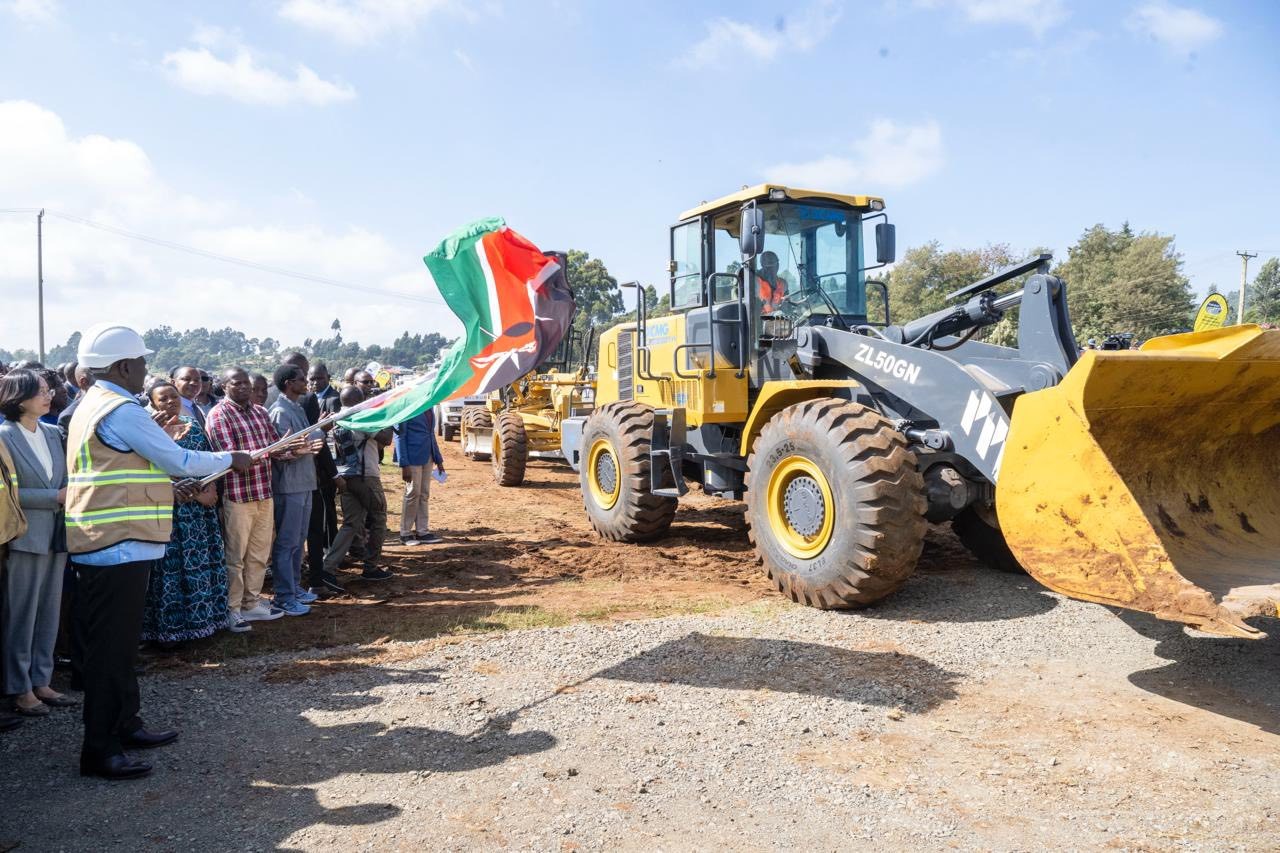
The government will introduce toll fees on the Mau Summit–Eldoret–Malaba highway once its expansion into a four-lane dual carriageway is complete.
The National Treasury says the 243-kilometre project aims to improve cargo movement between Kenya and regional markets such as Uganda, Rwanda, South Sudan, and the Democratic Republic of Congo (DRC).
According to the latest Treasury Ministry Quarterly Projects Progress and Status Report, the project is currently undergoing feasibility studies ahead of competitive bidding under the PPP framework.
As reported by Kenyans.co.ke, the upgrade is being implemented by the Kenya National Highways Authority (KeNHA), which has already secured much of the right-of-way and is coordinating with the Treasury and development partners.
Funding will be provided by the Asian Infrastructure Investment Bank (AIIB), with UK-based Construction Plant Competence Scheme (CPCS) acting as the transaction advisor.
The cost of toll fees and the project are yet to be disclosed. The route currently handles more than 3,000 trucks daily, moving over 35 million tonnes of cargo annually.
The project will complement the ongoing construction of the Nairobi–Rironi–Mau Summit highway, a 175-kilometre stretch expected to be completed by June next year.
Private schools have been urged to employ only teachers registered by the Teachers Service Commission (TSC) and strengthen continuous professional development to support the rollout of the Competency-Based Education (CBE) curriculum.
As reported by Nation, Education Ministry Director General Dr Elyas Abdi said institutions must align growth with national standards and prioritise quality assurance, safety and child protection.
He warned that frequent teacher exits from private schools during TSC recruitment drives disrupt learning and affect outcomes.
Schools were also cautioned against overworking learners and urged to invest in infrastructure, teacher training and co-curricular activities for holistic development.
The government emphasised compliance with education laws and the adoption of approved curriculum and digital tools to improve delivery.
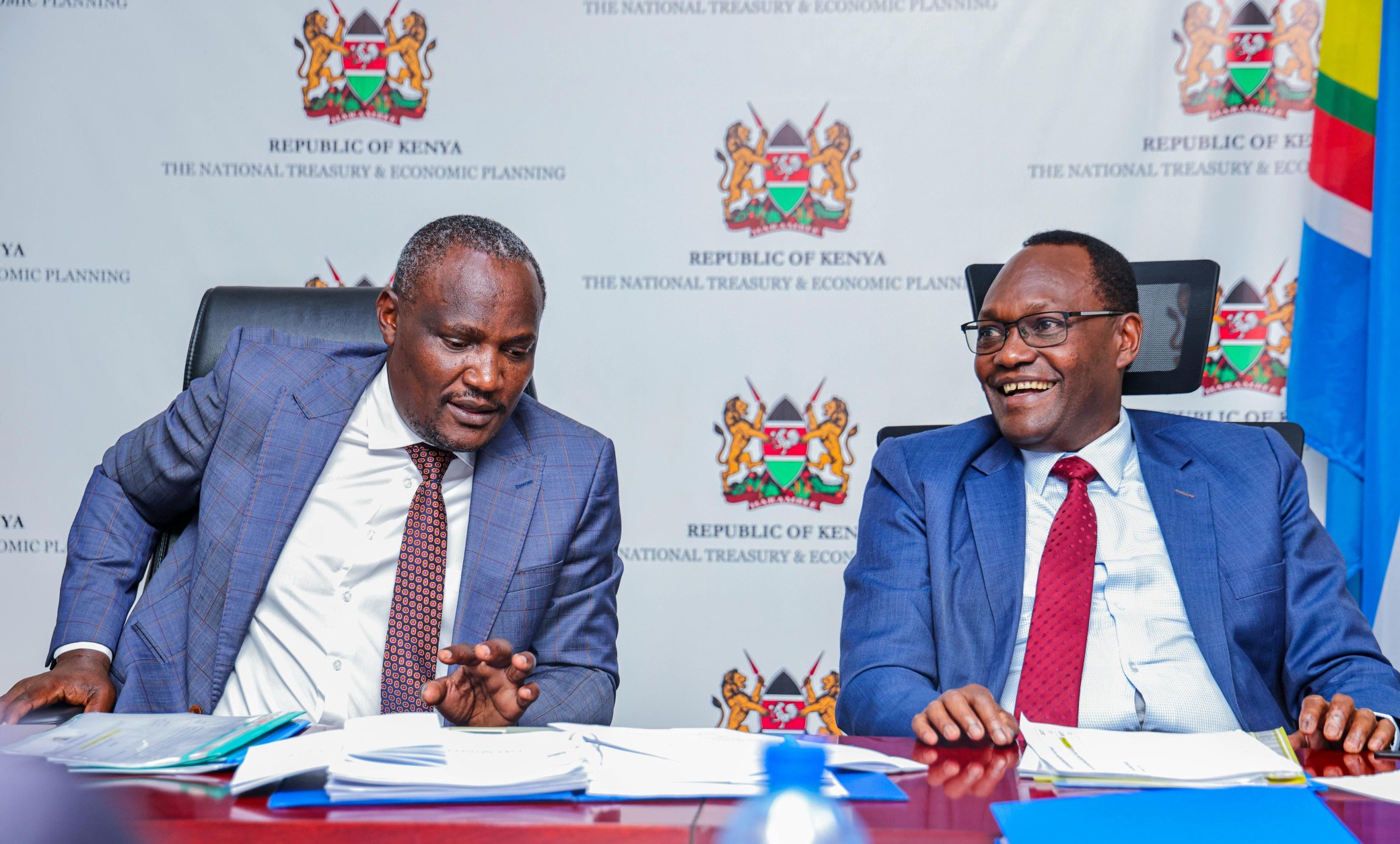
CBK says the government’s revised domestic borrowing target of Ksh996 billion for FY2025/26 is unlikely to push up interest rates, as most of the funds have already been raised.
As reported by the Business Daily, the target was increased from Ksh635 billion following a budget expansion to Ksh4.66 trillion and a Ksh1.3 trillion revenue shortfall.
CBK Governor Kamau Thugge noted that about Ksh850 billion has already been borrowed, leaving only Ksh150 billion.
Interest rates have eased, with average lending rates dropping to 14.8% in February 2026, supported by a lower benchmark rate of 8.75%.
Private sector credit grew 8.1% in March, extending the recovery. However, inflation rose to 4.4%, driven by food and fuel prices, amid global pressures.
Health CS Aden Duale says the government has shut over 1,200 health facilities and forwarded dozens of fraud cases linked to the Social Health Authority (SHA) and the defunct National Hospital Insurance Fund (NHIF) for prosecution.
Appearing before the Senate, Duale said the Director of Public Prosecutions has received over 24 case files, with at least 18 already in court.
As reported by Citizen Digital, investigations also involve staff and regulators, while the Directorate of Criminal Investigations holds 81 files.
He cited Bungoma West Hospital and 13 Calvary Hospital facilities in Bungoma among those shut down as part of the crackdown and flagged counties, including Mandera, Kisii, Migori, Homa Bay and Wajir as fraud hotspots.
The ministry has rejected suspicious claims and tightened verification, warning it will sustain the crackdown despite pressure from affected facilities.
Sanlam Allianz Holdings posted a 2.4% rise in FY2025 profit after tax to Ksh838 million.
However, insurance revenue dipped by 3.2% to Ksh4.41 billion, but insurance service results jumped by 45.7% to Ksh951.48 million on stronger underwriting.
As reported by Capital Business, investment income dropped by 22.5% to Ksh3.66 billion.
Profit before tax declined by 7.7% to Ksh1.32 billion, while total comprehensive income fell by 21.1% to Ksh832.28 million.
Meanwhile, its assets rose slightly to Ksh39.37 billion, while capital and reserves surged by 147.3% to Ksh4.75 billion.
The insurer did not declare a dividend, prioritising capital preservation amid earnings volatility.
The Employment and Labour Relations Court has ordered senior officials linked to Meta Platforms and its contractors to testify in a case filed by 187 former Facebook content moderators.
As reported by Capital Business, the case combines petitions by Kiana Monique and others, and Daniel Motaung, who accuse the firms of forced labour, discrimination, unlawful termination and mental health harm.
The court summoned Meta executive Laura O’Hanlon for cross-examination, with petitioners alleging her affidavit contains misleading claims about hiring practices and system oversight.
It also directed representatives from contractor Sama and safety authorities to appear, citing disputed evidence.
The Nairobi-based case, filed between 2022 and 2023, now proceeds to a hearing after the court rejected an attempt to dismiss part of the petition.
Notably, Sama has announced that 1,108 workers will be laid off after Meta formally ended a major engagement at its Nairobi office
Kenyans are reducing their use of mobile money agents, with transaction values falling to a three-year low as households adjust to tighter budgets.
Data from the Kenya National Bureau of Statistics shows transactions dropped to Ksh633.35 billion in February 2026, down from Ksh699.64 billion in January, the lowest since April 2023.
As reported by Eastleigh Voice, the decline reflects weaker consumer demand and a shift toward direct mobile payments like transfers, paybills, and tills, reducing reliance on agents.
Rising statutory deductions, including higher National Social Security Fund (NSSF) contributions, have squeezed disposable incomes, forcing households to prioritise essential spending.
Despite the slowdown, digital transactions remain strong, though smaller in value, as both consumers and businesses adjust to the changing economic environment.
Insurance claims in Kenya crossed Ksh100 billion for the first time, driven by rising medical bills, accidents and car thefts, raising concerns over higher premiums.
Data from the Insurance Regulatory Authority shows total claims hit Ksh102.77 billion, with medical payouts rising 17.9% to Ksh52.61 billion and motor claims increasing 12.4% to Ksh40.1 billion.
As reported by the Business Daily, medical and motor insurance accounted for over 90% of total claims, reflecting higher healthcare costs, more accidents and persistent fraud.
Insurers are increasingly relying on investment income as underwriting profits shrink, with loss ratios nearing 78% in key segments.
The surge is expected to push premiums higher, with some firms tightening coverage or dropping high-risk clients to manage growing losses.
.png)


Join 1.5M Kenyans using Money254 to find better loans, savings accounts, and money tips today.


Money 254 is a new platform focused on helping you make more out of the money you have. We've created a simple, fast and secure way to find and compare financial products that best match your needs. All of the information shown is from products available at established financial institutions that our team of experts has tirelessly collected.







![Kenya's Richest Counties By Contribution to GDP [2026]](https://cdn.prod.website-files.com/6038c1030be2580db46ccf46/6acf79cc000d099ee32f507a_top%20image%20%2B%20Templates%20%20-%202026-10-14T154332.222.jpg)