Money and Me
October 9, 2026


January used to humble me. Not in a dramatic way, just the quiet, consistent panic that comes when school reopening dates approach and your bank balance doesn’t match the urgency of school needs.
I am currently working in Nairobi. On paper, I’m the kind of parent who should have school fees figured out. In reality, January always found me reshuffling priorities, delaying things, and seriously considering short-term fixes I knew weren’t smart.
Two years ago, I decided I was tired of that stress, especially when my daughter joined high school.
That decision didn’t lead me to an insurance plan, a fancy education fund, or a complex investment strategy. It led me to goats.
Read Also: How Much Money Do You Need to Save to Earn You Ksh50k Passive Income Every Month
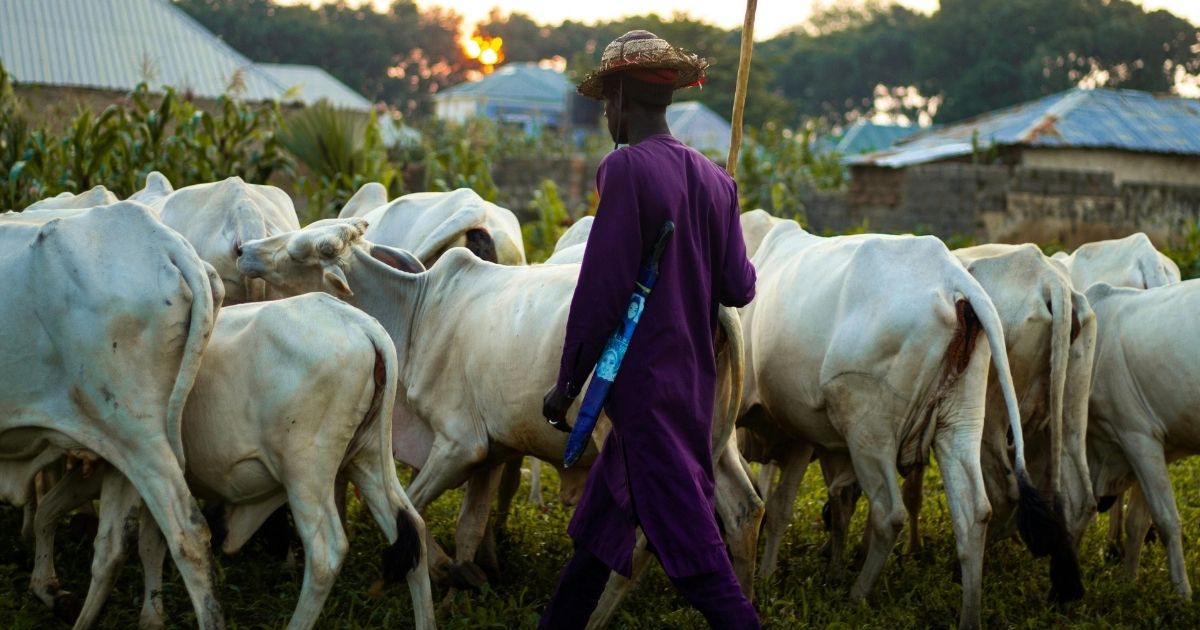
Every March, I go back to the village in Siaya, when demand for goats is low, and most people are broke from school fees and January hangovers, I quietly buy 10 goats.
I don’t buy from one place. I move around different farmers, negotiating patiently, never paying more than Ksh6,000 per young goat. At that time of the year, sellers are flexible. They need cash more than they need the goat.
That’s my entry point.
I cap it at 10 goats very intentionally. I’m not trying to become a large-scale farmer. I’m trying to solve one very specific problem: predictable school fees.
I live and work in Nairobi. I don’t have time to micromanage livestock. So I don’t pretend I do.
Back home, I have a cousin who farms sheeps and we have an arrangement where he takes care of my goats, and I pay him Ksh1,000 every month, about Ksh10,000 for the year, to take care of the goats. Feeding, grazing, and general monitoring. Goats are forgiving animals. They don’t need specialised feeds, expensive housing, or constant attention.
That low-maintenance nature is exactly why they work for me.
I also keep a small buffer, about Ksh10,000, for emergencies like vaccination or the occasional health issue. I’ve learned that livestock, like children, will test your preparedness.
Read Also: Balancing Personal and Business Finances: Lessons From Successful Entrepreneurs
By December, demand changes completely.
Everyone wants goats for the festivities. Prices shoot up fast. In most markets in my hometown, goats go for about Ksh15,000.
I sell mine at Ksh13,000. Some people tell me I’m underpricing. I disagree. I’m optimising for speed, not ego. I want quick sales, cash in hand, and zero stress.
Offloading 10 goats at that price is easy. Buyers don’t negotiate too hard, and I’m done in a short time. That gives me Ksh130,000 in total sales.
From that Ksh60,000 goes straight back into capital for the next cycle, about Ksh10,000 has already catered for care and emergencies, and the remaining Ksh50,000 pays my daughter’s high school fees.
By the time January comes around, I’m calm.
People always ask why I don’t scale up. The answer is simple: I don’t want complexity.
Ten goats are manageable. They’re easy to track, easy to sell, and easy to replace if something goes wrong. More goats would mean more labour, more risk, and more pressure to chase higher prices.
This system works because it’s boring, repeatable, and predictable.
I’ve done it for two years. This will be my third.
The biggest change wasn’t the money, it was the mindset.
School fees stopped being an emergency and became a planned expense. I no longer feel cornered in January. I don’t borrow. I don’t panic.
.png)


Join 1.5M Kenyans using Money254 to find better loans, savings accounts, and money tips today.


Money 254 is a new platform focused on helping you make more out of the money you have. We've created a simple, fast and secure way to find and compare financial products that best match your needs. All of the information shown is from products available at established financial institutions that our team of experts has tirelessly collected.











![Kenya's Richest Counties By Contribution to GDP [2026]](https://cdn.prod.website-files.com/6038c1030be2580db46ccf46/6acf79cc000d099ee32f507a_top%20image%20%2B%20Templates%20%20-%202026-10-14T154332.222.jpg)