Investments
October 6, 2026


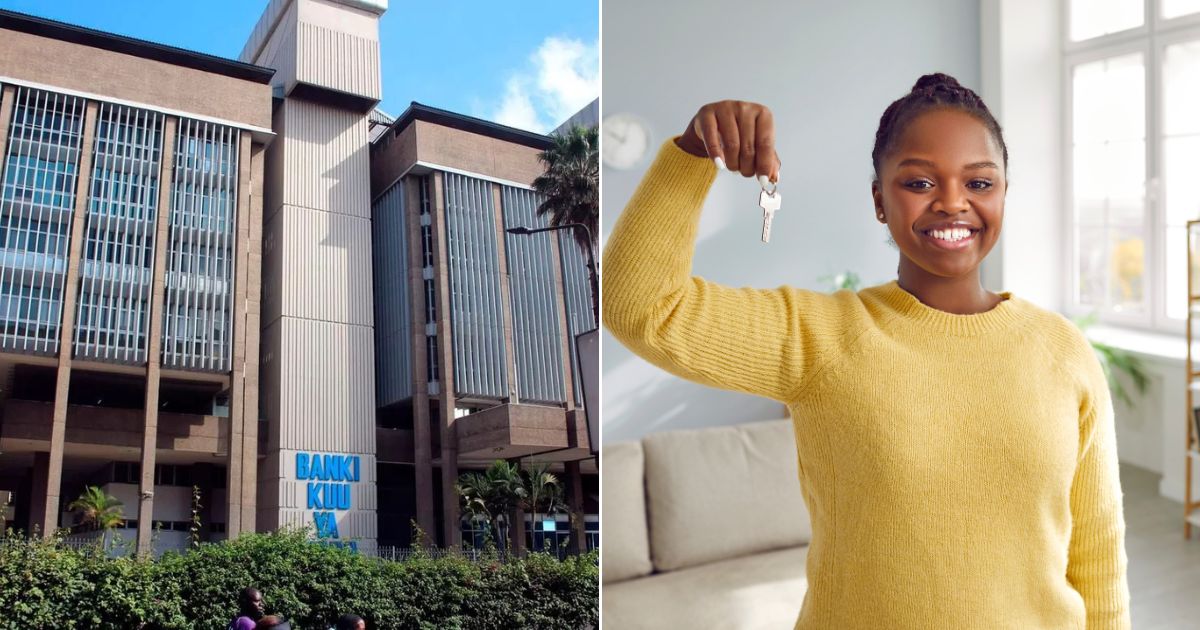
Imagine this: after years of disciplined saving, you finally raise Ksh4.5 million. You are not looking for flashy, short-term wins — your goal is steady, long-term passive income. Naturally, two popular options in Kenya stand out, CBK bonds and affordable housing real estate.
Both are seen as relatively safe investments, both promise predictable income, and both are widely used by seasoned investors. But if you had to choose just one, which option truly gives you better value over time?
Let’s break it down using real numbers.
Read more: Safaricom Announces Terms of Its Tax-Free Bond; How to Buy
Government bonds remain one of the most trusted investment instruments in Kenya. They offer predictable returns, low default risk, and zero management stress.
For this comparison, we use the example of a recently issued long-term CBK bond offering an annual interest rate of 14.188%.
CBK bonds pay coupon interest every six months. If you invest the entire Ksh4.5 million, here’s what the maths looks like:
This means you earn roughly Ksh287,300 every six months
At this rate, you will double your money in 8 years. In 15 years, you will have made Ksh8.6 million in net interest. When added to your original principal of Ksh4.5 million, your portfolio, that is interest plus the initial investment, will total Ksh13.1 million.
CBK bonds clearly shine when it comes to predictable income and capital preservation. However, there is one thing bonds can’t escape: inflation.
Read more: How to Buy a House Through Boma Yangu
For this scenario, we use a 3-bedroom affordable housing unit in Ruiru, Nairobi Metropolitan area — a project that was completed and sold out, with each unit priced at Ksh4.5 million (cash purchase).
If you rent it, you will have an estimated monthly rental income of Ksh40,000 and an annual income of Ksh480,000.
In Kenya, residential rental income is taxed at 7.5%; therefore, you will have a tax deduction of Ksh36,000, and the net income after tax will be Ksh444,000. To be realistic, we also factor in a 10% for maintenance and vacancy periods, which Ksh48,000 per year. Ultimately, your net income in the first year will be Ksh396,000.
Rent rarely stays the same for long. Recent data shows that Ruiru rents grow by about 7% per year. When adjusted for this annual growth, the total net rental income earned over 15 years comes to approximately Ksh9.95 million. Unlike bonds, this income is not fixed — it grows as rents increase.
Read more: Rising Inflation: Where Should You Keep, Invest Your Money?
Once a bond matures, the income stops. You get your principal back, but inflation quietly eats into its purchasing power. If Kenya averages 6% inflation over the next 15 years, Ksh4.5 million today will be worth roughly Ksh1.78 million in real terms.
In contrast, real estate benefits from capital appreciation. Reports indicate that property values in Ruiru grow at around 5% per year. For property value after 15 years, the Ksh4.5 million will be approximately Ksh9.4 million.
So, the real estate investor doesn’t just earn rental income — they still own an appreciating asset.
The answer depends entirely on your investment goal.
Bonds offer higher immediate returns and peace of mind, while Real estate wins on asset growth and inflation protection.
.png)


Join 1.5M Kenyans using Money254 to find better loans, savings accounts, and money tips today.


Money 254 is a new platform focused on helping you make more out of the money you have. We've created a simple, fast and secure way to find and compare financial products that best match your needs. All of the information shown is from products available at established financial institutions that our team of experts has tirelessly collected.





![You Have Ksh7 Million: Buy a Home in Cash or Rent and Invest? [The 10-Year Numbers]](https://cdn.prod.website-files.com/6038c1030be2580db46ccf46/6abbbdaf2080b24be31d8e0b_top%20image%20%2B%20Templates%20%20-%202026-09-29T162813.614.jpg)



![Kenya's Richest Counties By Contribution to GDP [2026]](https://cdn.prod.website-files.com/6038c1030be2580db46ccf46/6acf79cc000d099ee32f507a_top%20image%20%2B%20Templates%20%20-%202026-10-14T154332.222.jpg)