News and Analysis
October 23, 2026


Hello and welcome to the Money News Roundup. Today, we look at the delayed PAYE tax relief for salaried Kenyans and break down the key allocations in the Ksh4.82 trillion 2026/27 Budget.
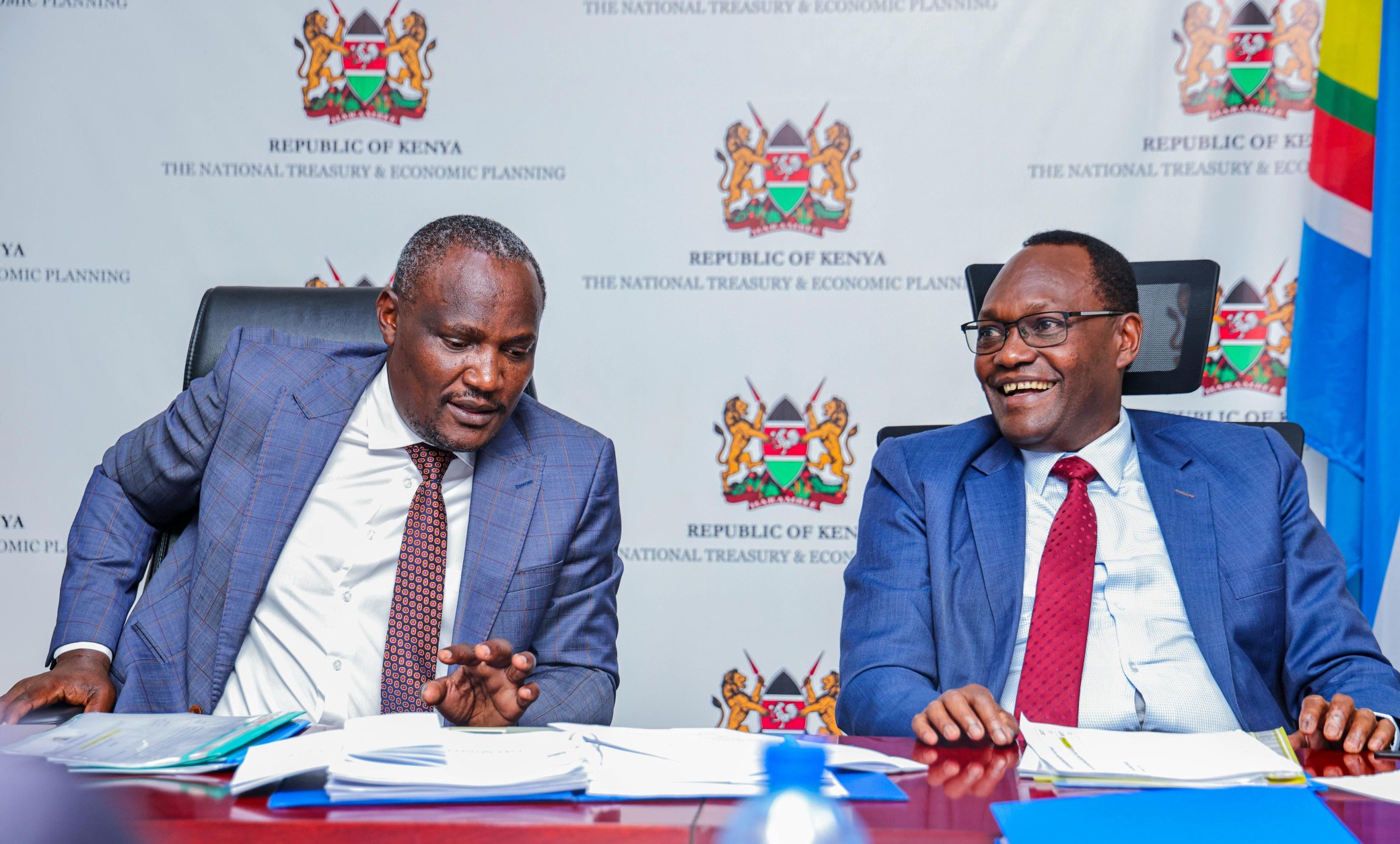
Salaried Kenyans have to wait longer for the promised PAYE tax law review after Treasury Cabinet Secretary John Mbadi failed to include the proposal when presenting the 2026/27 Budget.
As reported by Citizen Digital, speaking after presenting the budget, Mbadi attributed the delay to ongoing data analysis but insisted the government had not abandoned the plan.
The CS maintained that both he and President William Ruto remain committed to implementing the tax relief, although he did not provide a timeline.
The exemption is expected to benefit more than one million employed Kenyans.
The promise was first made by Mbadi in February and later reiterated by President Ruto, who revealed that Treasury officials had warned the measure could cost the government about Ksh40 billion in revenue.
The Treasury had initially planned to introduce the changes through a special tax amendment bill before indicating that the proposal would instead be included in the Finance Bill 2026.
Meanwhile, as reported by the Standard, the CS has provided more clarity on the tax filing proposals in the Finance Bill 2026. Nil returns will be due by January 31, while PAYE taxpayers and those taxed at source will file by April 30. Other taxpayers, including those claiming deductible expenses or paying advance tax, will continue filing returns by June 30.
As reported by the Capital Business, the government has proposed exempting foreign investors from obtaining a KRA PIN to open CDSC accounts and trade on the Nairobi Securities Exchange. Treasury CS John Mbadi said the change aims to remove investment barriers, attract more foreign capital and boost market activity.
In its efforts to raise funds for projects, the government is considering introducing Shariah-compliant Sukuk securities to diversify funding sources and attract investors seeking ethical, faith-based investments. Treasury CS John Mbadi said the instruments would help Kenya access liquidity from global Islamic finance markets, broaden the investor base, promote financial inclusion and deepen capital markets. Read more
As reported by the Business Daily, the Treasury has proposed changes to the Insurance Act to recognise agricultural insurance as a separate class of insurance business.
The National Treasury has unveiled a Ksh4.82 trillion budget for the 2026/27 financial year, with education, infrastructure, public administration and security receiving the largest allocations.
As reported by Nairobileo, education remains the biggest beneficiary after receiving Ksh784.5 billion, accounting for 26.8% of total ministerial allocations.
Major allocations include Ksh408.5 billion for the TSC, Ksh96.4 billion for HELB and scholarships, Ksh61.6 billion for free primary and day secondary education, Ksh30.9 billion for junior secondary school capitation, and Ksh8.2 billion for intern teachers.
Other notable allocations in the budget include Ksh531.3 billion for Energy, Infrastructure and ICT, Ksh502 billion for county governments, Ksh316.2 billion for national security, Ksh220.4 billion for road construction and maintenance, Ksh177.2 billion for health, Ksh121.2 billion for environment, water and natural resources, Ksh50.6 billion for affordable housing, Ksh38.1 billion for railway transport, Ksh24.6 billion for cash transfers to elderly persons, and Ksh18 billion for the fertiliser subsidy programme.
Family Bank has received approval from the Capital Markets Authority (CMA) to list on the NSE by way of introduction, with trading set to begin on June 23.
As reported by the Kenyan Wall Street, the listing will allow existing shareholders to buy and sell shares on the NSE without the bank issuing new shares or raising additional capital.
The lender said it opted for a listing by introduction due to its strong capital position, having raised Ksh8 billion through a private placement in 2025.
Family Bank reported a 55.4% increase in profit after tax in 2025, while first-quarter 2026 profit rose 52.6% to Ksh1.6 billion. The bank's shareholders' funds stood at Ksh34.77 billion as of March 2026.
NTSA has directed vehicle owners to collect their physical logbooks, warning that any unclaimed documents will be disposed of after six months.
As reported by Kenyans.co.ke, the authority said in a notice that it will no longer store printed logbooks beyond the six-month period as it transitions to electronic logbooks.
The agency further warned that some services may be delayed or denied if applicants fail to provide the original logbook where required.
Commercial banks could receive an additional three years to meet the Ksh10 billion minimum core capital requirement under a proposal unveiled by Treasury Cabinet Secretary John Mbadi.
As reported by Eastleigh Voice, if approved, the deadline will move from December 2029 to December 2032, giving lenders more time to strengthen their capital positions.
The proposal also seeks to remove annual capital milestones currently requiring banks to progressively raise capital from Ksh1 billion to Ksh10 billion by 2029.
The move comes as several banks face pressure to raise fresh capital through shareholder injections, mergers and strategic partnerships. According to Mbadi, the extension will allow institutions to pursue more flexible and market-sensitive capital-raising strategies while preserving shareholder value and investor confidence.
.png)


Join 1.5M Kenyans using Money254 to find better loans, savings accounts, and money tips today.


Money 254 is a new platform focused on helping you make more out of the money you have. We've created a simple, fast and secure way to find and compare financial products that best match your needs. All of the information shown is from products available at established financial institutions that our team of experts has tirelessly collected.