News and Analysis
September 18, 2026


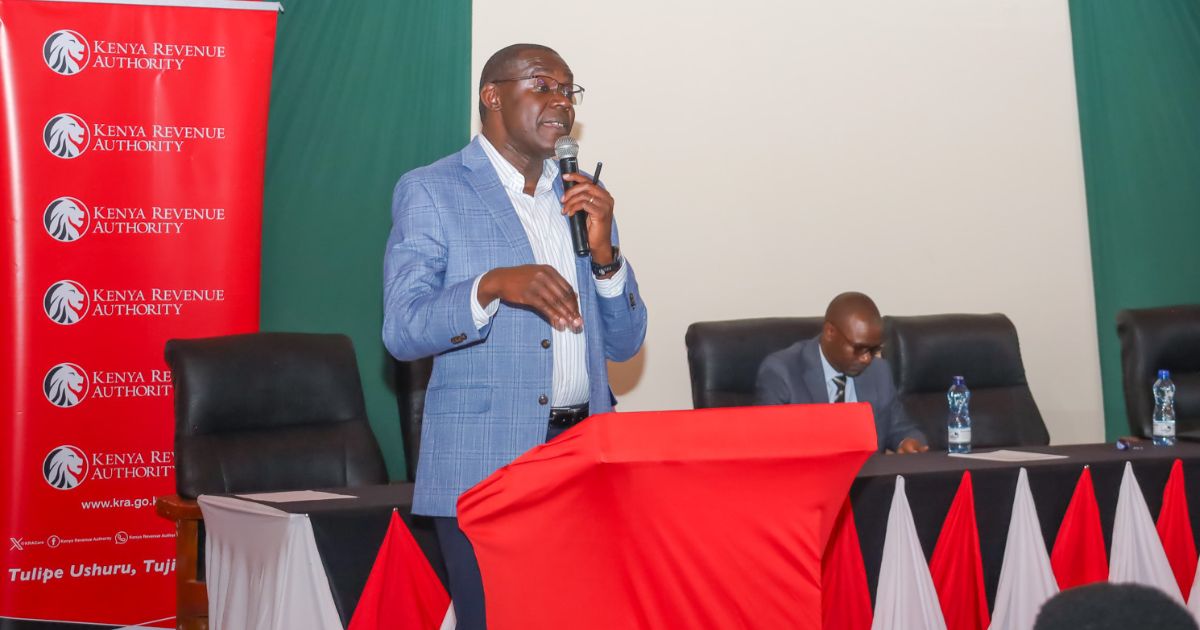
Hello and welcome to the Money News Roundup Newsletter, where we break down KRA’s plan to integrate eTIMS with M-Pesa and other digital payment platforms, alongside the proposed increase in convenience fees for eCitizen services.
KRA is set to integrate M-Pesa and other digital payment platforms into its upgraded tax system, allowing taxes to be collected instantly at the point of transaction.
The reforms are part of a broader overhaul of the electronic Tax Invoice Management System (eTIMS) and the iTax platform aimed at making tax compliance faster, simpler, and more transparent.
As reported by the Star, under the new system, businesses will transmit invoices to KRA in real time through web portals, mobile apps, USSD, and APIs, giving the tax authority immediate visibility into sales transactions.
The integration with M-Pesa and other payment service providers will automatically generate Payment Registration Numbers (PRNs) and enable instant settlement of taxes once payments are made.
KRA says the move will reduce delays between invoicing and tax payment, a loophole that has previously allowed under-reporting and delayed compliance.
The authority’s Commissioner for Micro and Small Taxpayers, George Obell, said the reforms are expected to boost overall tax compliance by 16 per cent while easing the administrative burden on businesses.
Kenyans seeking government services through the eCitizen platform will soon pay higher convenience fees under new regulations proposed by the Treasury.
The proposed Public Finance Management (E-Citizen System Management) Regulations, 2026 will increase the convenience fee from the current flat rate of Ksh50 to a tiered structure based on the cost of services.
Under the new plan, services costing between Ksh10,000 and Ksh99,999 will attract a Ksh70 fee, while those above Ksh100,000 will attract a Ksh100 convenience charge.
Services priced below Ksh99 will remain free, while those between Ksh100 and Ksh499 will attract a Ksh5 fee.
The changes are expected to affect over 30,000 government services available on eCitizen, including passport applications, business registrations, and birth certificate amendments.
Treasury Cabinet Secretary John Mbadi says the fees will support the maintenance and operation of the platform.
The regulations came a year after the High Court declared the Ksh50 convenience fee illegal, ruling that it amounted to double charging and lacked public participation.
The new proposal comes amid plans by the government to introduce premium services on the eCitizen platform for Kenyans who require expedited processing for urgent passports and government certificates.
Safaricom Plc has increased its total dividend by 66.7 per cent to Ksh2 per share after posting a 67.3 per cent rise in net profit to Ksh99.7 billion for the year ended March 2026.
The telco announced a final dividend of Ksh1.15 per share, adding to the interim payout of Ksh0.85, bringing total shareholder payouts to Ksh80 billion.
As reported by the Business Daily, the strong performance was driven by growth in Kenya’s M-Pesa business and reduced losses in Ethiopia.
M-Pesa revenues in Kenya rose 13.4 per cent to Ksh182.7 billion, supported by new products including savings and stock trading through Ziidi Trader.
Connectivity revenues from mobile data, calls and messaging increased 6.9 per cent to Ksh197.9 billion, while fibre business revenues rose 12.2 per cent to Ksh20.2 billion.
Meanwhile, Safaricom cut its Ethiopia losses by more than half to Ksh21.2 billion and expects the business to break even by March 2027.
Nigerian billionaire Aliko Dangote has announced plans to create a Kenya-based investment vehicle that will allow local investors to buy into the Dangote Group ahead of its planned refinery IPO.
As reported by the Kenyan Wall Street, Dangote said the structure will enable investors to freely enter and exit their investments while earning returns in US dollars.
The move forms part of a broader restructuring of Dangote Industries as the group prepares for the listing of Dangote Petroleum Refinery and Petrochemicals FZE, which aims to raise up to Ksh647.40 billion through the sale of a five to 10 per cent stake.
The refinery, valued at between Ksh5.18 trillion and Ksh6.47 trillion, reached full production capacity of 650,000 barrels per day in February 2026 after costing Ksh2.59 trillion to build.
Dangote said the group has never issued external dividends, with all profits reinvested into expansion.
The planned IPO is expected to list primarily on the Nigerian Exchange, with the Nairobi Securities Exchange among African bourses involved.
The Finance Bill 2026 is expected to introduce tax measures to raise Ksh120 billion, as the government seeks an additional Ksh201 billion in revenue in the next financial year.
As reported by the Business Daily, Treasury documents tabled in Parliament show KRA has been tasked with collecting Ksh2.985 trillion in taxes from July 2026, up from Ksh2.784 trillion currently.
The government says part of the strategy will rely on tougher enforcement and technology-driven compliance measures rather than major tax hikes during the election period.
KRA has received Ksh19 billion for digital transformation projects, including upgrades to eTIMS, real-time compliance tools, and data integration systems.
The tax authority is increasingly relying on bank records, vehicle registrations, Kenya Power data, water bills, and supplier records to identify tax evaders.
The draft Finance Bill 2026 also proposes taxes for Mitumba importation, vintage cars and residential rental income tax for foreigners.
The government has increased entry fees for national museums and heritage sites across Kenya, with the new charges taking effect from May 7, 2026.
Under the revised National Museums of Kenya pricing structure, Kenyan citizens visiting the Nairobi National Museum and Snake Park will now pay Ksh350 for adults and Ksh200 for children below 16 years, up from Ksh200 and Ksh100, respectively.
As reported by Citizen Digital, a combined ticket for the two attractions will cost Ksh600 for adults and Ksh300 for children.
The Nairobi Gallery entry fee has also doubled to Ksh300 for adults and Ksh200 for children.
Visitors to the Karen Blixen Museum and Fort Jesus Museum will now pay Ksh550 for adults and Ksh300 for children, up from Ksh200 and Ksh.100.
Meanwhile, entry to museums and heritage sites such as Gede Ruins, Koobi Fora, Thimlich Ohinga and Mnarani Ruins will cost Ksh200 for adults and Ksh100 for children.
Contractors implementing Kenya’s Affordable Housing Programme (AHP) are projected to earn Ksh85.6 billion in profits from the first batch of projects, according to a government-commissioned report by Grant Thornton.
The profits relate to 215 housing projects worth Ksh285.5 billion involving the construction of 198,947 housing units across the country.
As reported by Nation, the report estimates developers will make a 30 per cent profit margin, meaning Ksh30 from every Ksh100 collected through the Housing Levy will go to contractors.
The report notes the margins are significantly higher than the two to 15 per cent range commonly recommended for taxpayer-funded projects globally.
Developers under the programme also benefit from incentives, including reduced corporate tax, lower import charges, and access to public land without acquisition costs.
Grant Thornton says KRA is expected to collect Ksh46.9 billion in taxes from the projects, including VAT, PAYE, and corporate tax.
The report also revealed that 82 per cent of construction materials are sourced locally, boosting manufacturing and related industries.
Muhoho Kenyatta has emerged as the largest disclosed individual shareholder on the Nairobi Securities Exchange after revealing a Ksh20 billion stake in NCBA Group.
A shareholder circular released on May 4 showed Muhoho owns 227.3 million NCBA shares directly and through investment vehicles linked to the Kenyatta family.
As reported by the Business Daily, the disclosure was made as part of South African lender Nedbank Group’s proposed acquisition of a 66 per cent stake in NCBA.
Muhoho, who joined NCBA’s board in December 2025, is expected to earn Ksh1.6 billion in dividends for the year ended December 2025.
The stake places him ahead of other top banking investors, including James Mwangi, whose Equity Group shares are valued at Ksh9.6 billion.
Under the proposed deal, NCBA shareholders will partly receive Nedbank shares and cash in exchange for their holdings.
Newly listed Shri Krishana Overseas PLC posted a 59.3 per cent drop in net profit for the year ended December 2025, weighed down by rising debt costs and weaker margins.
The packaging manufacturer reported a profit of Ksh4.14 million, down from Ksh10.18 million in 2024, despite revenue rising 13.3 per cent to Ksh351.09 million.
As reported by the Kenya Wall Street, the company said higher input costs linked to tax policy changes pushed the cost of sales up 24.1 per cent, shrinking gross margins from 31.6 per cent to 25 per cent.
Finance costs rose to Ksh14.83 million as borrowings nearly doubled to Ksh162.37 million, mainly due to funding for its Kisaju manufacturing plant in Kajiado County.
The new plant, which is central to the firm’s expansion strategy, has been delayed to Q3 2026.
Despite the weaker earnings, the company’s share price has risen 51.5 per cent since listing on the NSE in July 2025.
Kenya’s average commercial bank lending rate dropped to 14.70 per cent in March 2026, the lowest level in 27 months, according to new Central Bank of Kenya data.
The rate declined from 14.82 per cent in December 2025 as banks continued adjusting to the new Risk-Based Credit Pricing Model tied to KESONIA rates.
Despite the decline, a sharp gap remains between the cheapest and most expensive lenders. Citibank Kenya offered the lowest average lending rate at 10.80 per cent, while Bank of Africa Kenya charged the highest at 18.57 per cent.
CBK data shows 34 out of 38 banks lowered lending rates year-on-year, with some institutions cutting rates by more than 200 basis points.
Meanwhile, deposit rates fell faster than lending rates, dropping to 6.86 per cent, widening banks’ profit margins. Read more
.png)


Join 1.5M Kenyans using Money254 to find better loans, savings accounts, and money tips today.


Money 254 is a new platform focused on helping you make more out of the money you have. We've created a simple, fast and secure way to find and compare financial products that best match your needs. All of the information shown is from products available at established financial institutions that our team of experts has tirelessly collected.




.jpg)




%20(1).jpg)