News and Analysis
October 16, 2026


Hello and welcome to the Money News Roundup. Today, we break down the government’s move to include KMTC students in the new unified funding model for tertiary institutions. We also look at the sharp decline in remittances from the US and what it means for Kenya’s economy.
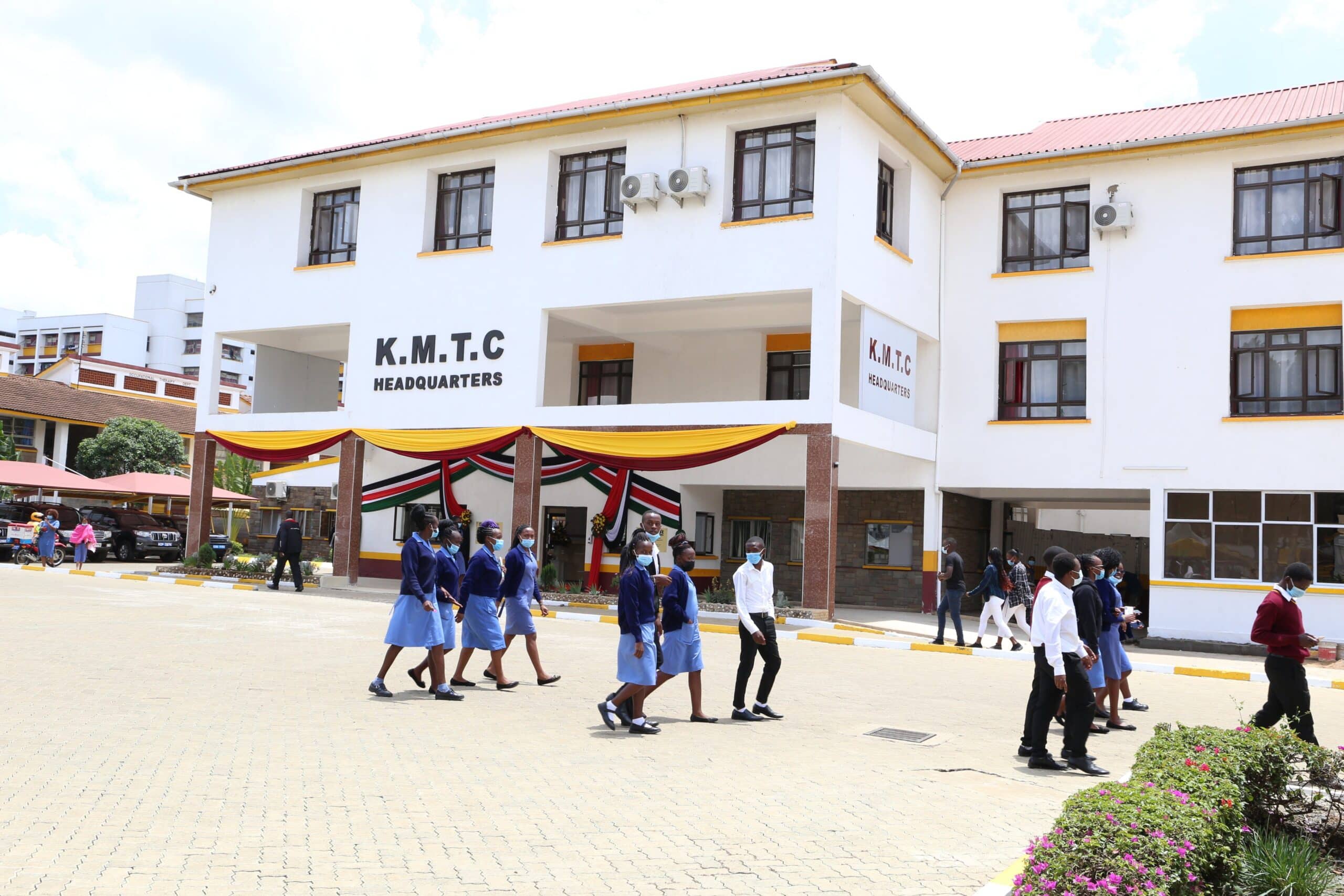
KMTC students will be included in the proposed national tertiary education funding system as the government moves to unify student financing.
Speaking in Kisii, President William Ruto directed Education CS Julius Ogamba to ensure KMTC learners benefit from the new framework starting next semester.
As reported by Eastleigh Voice, the reforms are anchored in the Tertiary Education Placement and Funding Bill, which seeks to merge HELB, the TVET Fund, the University Fund and KUCCPS into a single system to streamline support.
The move aims to address long-standing funding gaps affecting middle-level colleges.
KMTC students across more than 71 campuses are expected to benefit, alongside expanded capacity through increased staff recruitment.
The changes follow KUCCPS placement of KMTC students, broadening access to medical training and aligning funding across all tertiary institutions.
Meanwhile, students joining private universities through KUCCPS will no longer receive government scholarships under a revised funding model.
According to University Fund acting CEO Dr Edwin Wanyonyi, scholarships are now reserved for students placed in public universities, while those in private institutions will only access loans.
As reported by the Nation, he noted that the 2021–2023 cohort was the last group to benefit from scholarships in private universities.
Saudi Aramco, a fuel supplier under Kenya’s government-to-government (G-to-G) deal has warned that diesel and petrol prices will rise for shipments between May and August, signalling further pressure on pump prices.
As reported by the Business Daily, the warning comes amid rising global oil prices linked to the Middle East conflict, which has disrupted supply routes and forced suppliers to source fuel from more expensive alternatives.
This will increase the landed cost of fuel in Kenya, with the additional expense likely to be passed on to consumers.
The situation is compounded by the declining Petroleum Development Levy Fund, which currently holds less than Ksh9 billion and may only sustain subsidies for about two months. Without this support, prices could rise sharply.
Recent price controls have already relied heavily on subsidies, including Ksh 5.74 billion for diesel alone. Despite VAT cuts to 8 per cent, global pressures could push prices higher.
The government has pledged to cushion consumers, but prolonged instability may strain public finances and limit its ability to maintain subsidies.
Just a day after announcing pump prices, EPRA reduced fuel prices with Super Petrol dropping by Ksh9.37 and Diesel decreasing by Ksh10.21 per litre. Following the adjustment, a litre of Super Petrol in Nairobi will now retail at Ksh197.60, while Diesel will cost Ksh196.63.
Earlier, the regulator had increased Super Petrol prices by Ksh28.69 to Ksh206.97 and Diesel by Ksh40.30 per litre to Ksh206.84
This means that between March and April, Super Petrol will have increased by Ksh19.32 while Diesel prices will have increased by Ksh30.09.
Meanwhile, electricity prices are expected to edge up slightly in the coming months, driven by fuel and forex adjustments, even as the government assures consumers the impact will be minimal.
As reported by Capital News, the Energy Principal Secretary, Alex Wachira, told MPs that higher diesel costs used in thermal power and a weakening shilling are key drivers of the potential increase. These costs are passed to consumers through the fuel energy charge, with tariffs averaged nationally.
Remittances from the United States to Kenya fell sharply in January 2026, dropping 14.7% to Ksh 25.1 billion ($194.1 million) from Ksh29.4 billion in January 2025. This is the lowest level in five years.
As reported by the Business Daily, the decline followed the introduction of a 1% excise tax on outbound transfers from the US, increasing the cost of sending money for Kenyan diaspora workers.
Central Bank of Kenya data shows the US share of total remittances fell to 47% of Ksh 53.4 billion ($412.7 million), the first time in five years it has dropped below half.
The tax is already influencing behaviour, with some migrants reducing transfers or seeking alternative channels such as cryptocurrencies.
A prolonged slowdown could strain household budgets, as remittances remain a key source of foreign exchange and support for essentials like rent, school fees, and healthcare.
EPRA Director of Petroleum and Gas Edward Kinyua has explained why the National Oil Corporation of Kenya (NOCK) and Kenya Pipeline Company (KPC) were excluded from the government-to-government (G-to-G) fuel import deal, citing preferences by international oil suppliers.
As reported by Citizen Digital, Kinyua said global suppliers declined to work with unfamiliar entities due to risks tied to cargo worth millions of dollars.
Instead, they opted for firms with existing relationships, leading to the inclusion of private companies like Oryx Energies, Galana, and Gulf Energy.
He clarified that KPC’s role is limited to transportation and storage, not trading.
The G-to-G deal was introduced in 2022 to address a dollar shortage crisis, with monthly fuel imports costing about Ksh 65 billion ($500 million).
Associated Motors Limited has been placed under receivership by Family Bank, weeks after losing its long-standing dealership agreement with Isuzu East Africa.
The automaker confirmed on March 19, 2026, that Associated Motors was no longer an authorised dealer, ending a partnership that dated back to 1966. The firm had grown into a major 3S dealership with branches across Kenya.
On April 9, 2026, Family Bank appointed joint receivers over key properties in Meru and Eldoret, also placing related entity Sclaters Holdings under receivership, linked to a 2021 borrowing arrangement.
As reported by the Kenyan Wall Street, the loss of the Isuzu franchise removed the company’s core revenue stream, likely triggering the bank’s move.
Separately, I&M Bank placed Jamii Distributors under administration, highlighting rising corporate distress amid increasing non-performing loans in Kenya.
Sameer Africa Plc posted its highest operating profit since 2013, rising 47.7% to Ksh292.64 million in FY2025, driven by rental income growth and cost cuts.
As reported by the Kenyan Wall Street, revenue grew 11.1% to Ksh432.74 million, entirely from property rentals, marking the first year in its history with zero tyre sales after exiting the segment in 2024.
Operating expenses fell 28.6%, boosting margins, while net rental income rose to Ksh307.56 million from over 40 tenants. Profit after tax increased 5.5% to Ksh274.28 million.
The firm remains debt-free, with cash reserves rising to Ksh173.14 million.
A planned land sale valued at about Ksh919.70 million could further strengthen its position. However, rising overdue receivables pose a risk to its rental-based revenue model.
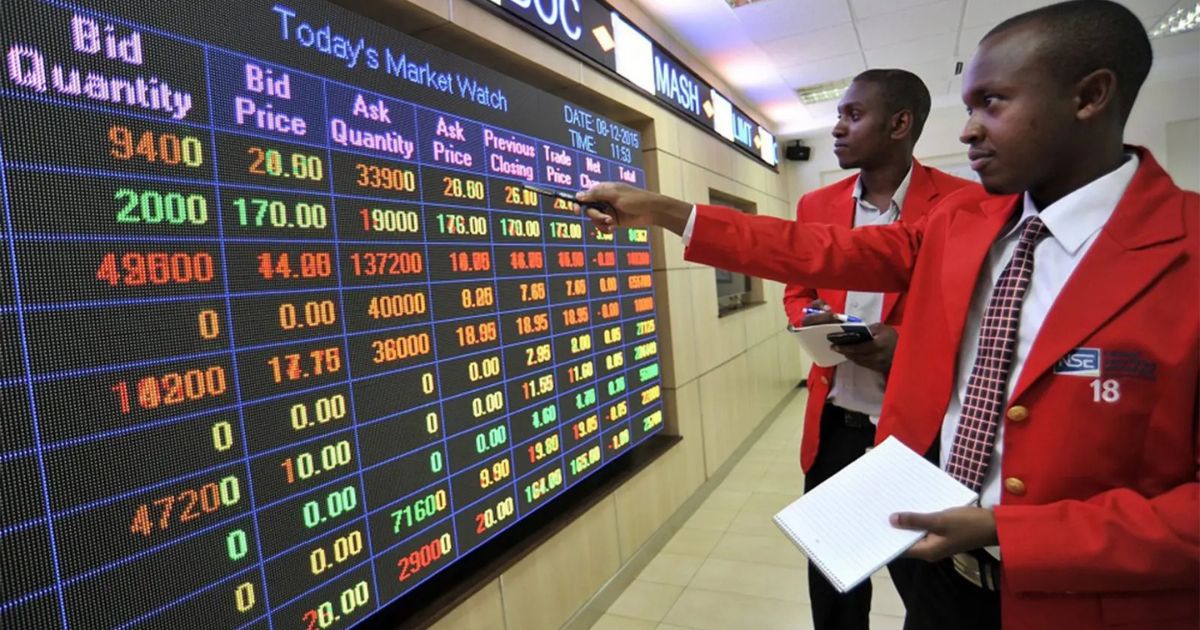
The value of bonds traded at the Nairobi Securities Exchange surged 49.1% in Q1 2026 to Ksh1.08 trillion, up from Ksh724.8 billion a year earlier, as investors chased higher yields in older government securities.
Declining interest rates on new Treasury bonds and bills, now at 11% to 13% from highs of 18% in 2024, have pushed both retail and offshore investors to the secondary market.
The uptake has been boosted by DhowCSD, a mobile platform that simplified access to government securities. Household holdings rose to Ksh 428.8 billion by December 2025, while non-resident participation also increased.
Analysts attribute the surge to high market liquidity, profit-taking, and portfolio repositioning.
The trading boom is also boosting stockbrokers’ earnings, with top firms controlling over half of the market and benefiting from rising commission volumes. Read more
MultiChoice has rolled out reforms to stabilise DStv after losing hundreds of thousands of subscribers, focusing on affordability and flexible billing.
Backed by Canal+ following its 2025 acquisition, the firm is freezing subscription prices, introducing bill-splitting via MyDStv, and cutting decoder costs to attract and retain users.
As reported by Business Insider Africa, the strategy includes absorbing content from the soon-to-close Showmax platform into DStv Stream at no extra cost for some subscribers, consolidating its content offering.
The changes come as DStv faces stiff competition from global streaming platforms like Netflix and Amazon Prime Video, which have reshaped viewing habits.
MultiChoice hopes the shift, supported by a roughly Ksh 14.6 billion ($106 million) investment, will improve value for customers and slow subscriber declines in a tightening market.
Tourists visiting Kenya can now pay for goods and services directly to mobile money platforms without needing local SIM cards, following the launch of TouristTap.
As reported by the Star, the platform allows visitors to transact using NFC-enabled devices by linking their bank cards, entering a till or paybill number, and completing payments instantly.
Tourism CS Rebecca Miano said the solution will simplify transactions, reduce reliance on cash, and enhance the visitor experience across shops, hotels, and attractions.
The system is powered through a partnership with KCB Bank, Visa, and CyberSource, ensuring secure and reliable transactions.
Officials say the platform will boost transparency and revenue collection in the tourism sector, which generated about Ksh 500 billion in 2025 and supports millions of jobs.
.png)


Join 1.5M Kenyans using Money254 to find better loans, savings accounts, and money tips today.


Money 254 is a new platform focused on helping you make more out of the money you have. We've created a simple, fast and secure way to find and compare financial products that best match your needs. All of the information shown is from products available at established financial institutions that our team of experts has tirelessly collected.






![Kenya's Richest Counties By Contribution to GDP [2026]](https://cdn.prod.website-files.com/6038c1030be2580db46ccf46/6acf79cc000d099ee32f507a_top%20image%20%2B%20Templates%20%20-%202026-10-14T154332.222.jpg)