News and Analysis
September 9, 2026


Hello and welcome to the Money News Roundup Newsletter. Today, we look at the promises the US has made to Kenya as it pursues a minerals deal. We also cover plans to list a National Infrastructure Fund sub-fund on the NSE.
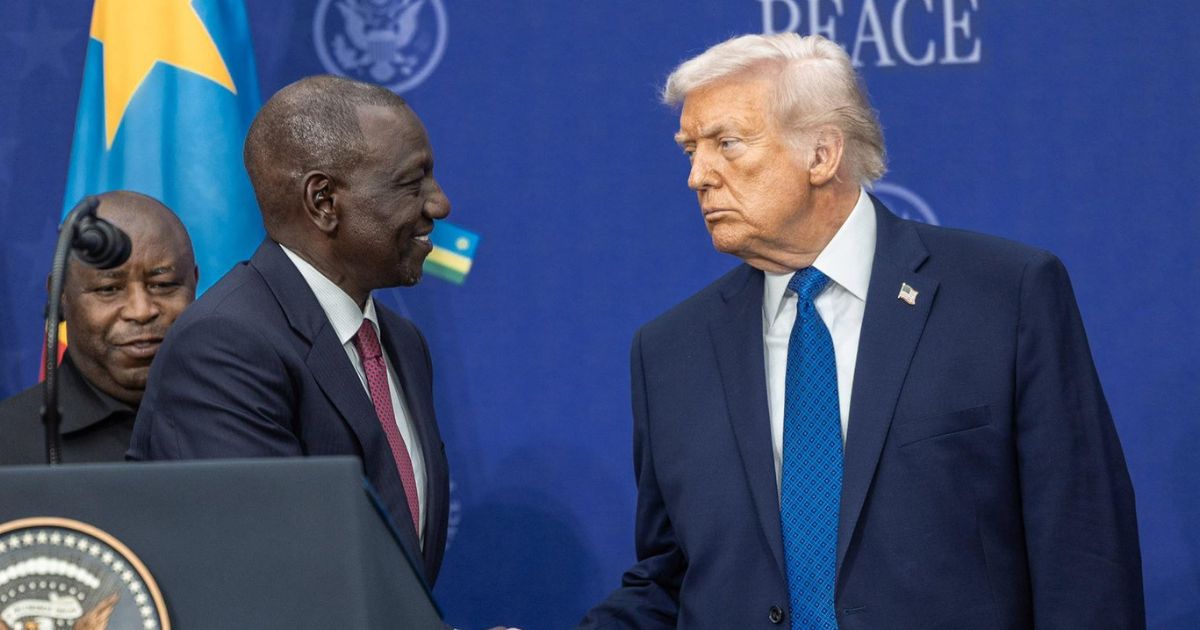
The US has pledged to support Kenya in developing processing plants and related industries around the estimated Ksh8 trillion rare earth and niobium deposits at Mrima Hill in Kwale County, rather than exporting raw minerals.
As reported by the Business Daily, US Assistant Secretary of State for African Affairs Frank Garcia said the proposed partnership would include investment in mineral processing, technology transfer, worker training and the development of secondary industries.
He said American firms want Kenya to retain more value from its resources by creating skilled jobs and building a regional processing hub.
"American companies are not here to extract and ship. That is partnership; that is extraction. What we build with Kenya is very different. US firms invest in communities where they operate," Garcia said.
The proposal comes as Kenya and the US discuss a critical minerals agreement linked to the Mrima Hill deposits.
President William Ruto has repeatedly pushed for local processing and downstream manufacturing, arguing that Kenya should benefit more from its natural resources.
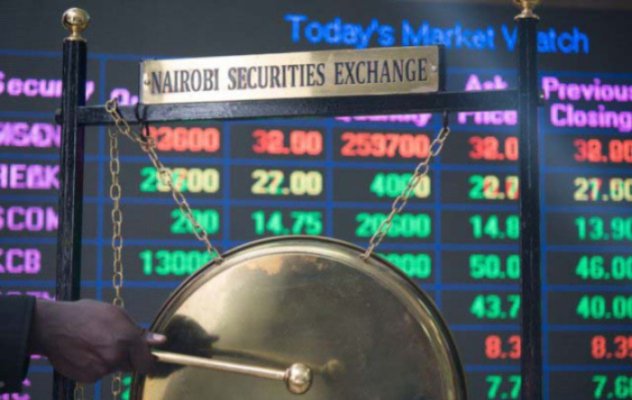
The National Infrastructure Fund (NIF) plans to list a National Infrastructure Development Fund on the Nairobi Securities Exchange (NSE).
As reported by the Business Daily, NIF CEO James Mworia said the listing is expected to draw from regulations governing Development Real Estate Investment Trusts (D-REITs) to provide investors with a liquid way to access infrastructure projects.
However, the exact date for the listing was not revealed.
Meanwhile, the CEO noted that the fund is targeting about Ksh42 billion in annual income by investing its Ksh310.3 billion seed capital in long-term government securities yielding between 12% and 14%.
The capital was raised from the government’s partial divestiture from Kenya Pipeline Company and the sale of a 15% stake in Safaricom to Vodacom.
Mworia said the fund aims to preserve its capital while using a 1:10 leverage ratio to mobilise private investment, potentially unlocking up to Ksh5 trillion for infrastructure development and reducing pressure on the national budget.
The fund is expected to invest in projects including the planned Dangote Refinery in Lamu and the expansion of JKIA through special purpose vehicles. NIF’s investment mandate also covers roads, railways, ports, energy, ICT, water and agribusiness infrastructure.
The government has announced that a new terminal at JKIA will be completed within 54 months.
As reported by Citizen Digital, Interior PS Raymond Omollo said the reforms include digitisation of passenger identification and luggage and cargo processing, alongside stricter baggage-handling procedures.
Airlines have been directed to ensure baggage is properly classified as passenger luggage or cargo, while travellers have been warned against attaching their luggage to that of other passengers, with improperly handled baggage liable to be returned at the owner’s expense.
The airport is also deploying the Automatic Terminal Information Service (ATIS) to improve flight management. JKIA currently handles about 8.8 million passengers and more than 358 kilotonnes of cargo annually.
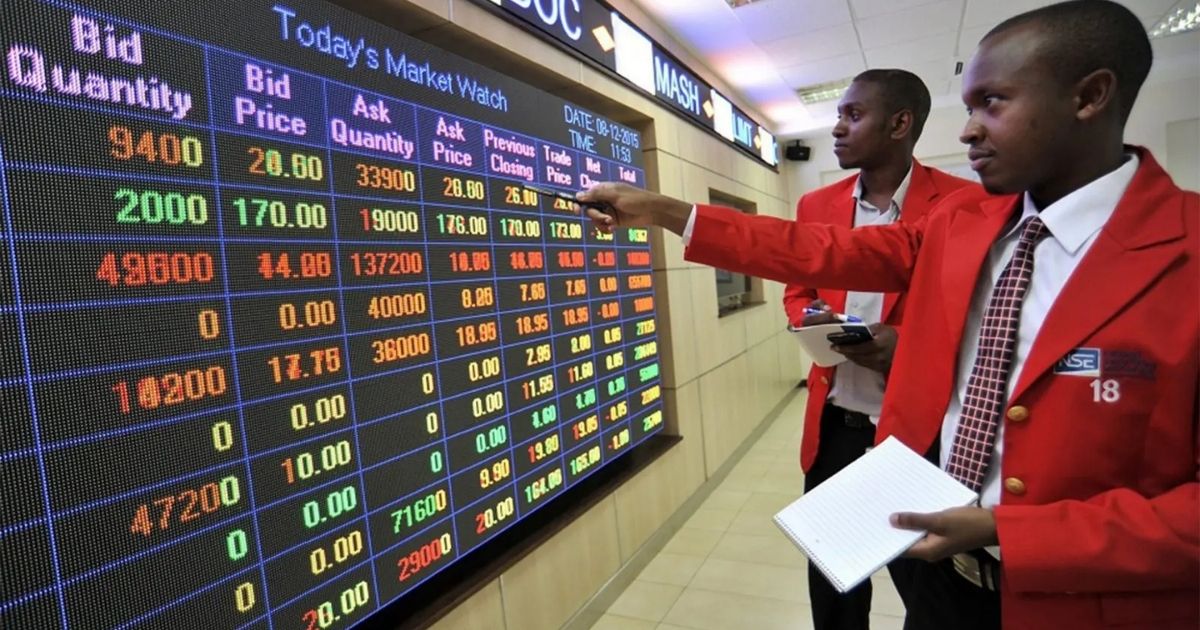
The Nairobi Securities Exchange (NSE) has granted conditional approval for the listing of the Wall Street Africa (WSA) Banking Index ETF, bringing Kenya’s first locally domiciled exchange-traded fund closer to trading.
As reported by the Kenyan Wall Street, the approval follows clearance by the Capital Markets Authority in July and requires completion of final operational and listing conditions before launch.
The Wall Street Africa Banking ETF will give investors exposure to listed banks, which account for Ksh1.85 trillion, or 43.5%, of NSE market capitalisation.
The NSE Banking Sector Index has gained 46.73% in 2026, supported by strong bank earnings, with constituent lenders posting a combined Ksh160 billion profit in H1 2026.
As reported by Reuters, experts have cautioned that Aliko Dangote’s planned Ksh2 trillion refinery in Lamu faces significant challenges, including securing financing and reliable crude oil supplies.
The 700,000-barrel-per-day refinery is expected to break ground later this month and be completed by 2030. Kaase Gbakon, a petroleum economist, says raising capital could prove difficult as Dangote pursues multiple energy projects worth an estimated Ksh 5.18 trillion ($40 billion) over the next five years.
Questions also remain over feedstock supply. While Kenya has cited potential crude sources from Kenya, Uganda and South Sudan, experts note that regional oil infrastructure remains underdeveloped, leaving the refinery potentially dependent on imported crude.
The project, which will be located within the LAPSSET special economic zone, is expected to boost regional fuel security. However, environmental concerns and infrastructure gaps continue to pose risks to its execution.
Also in the News
.png)


Join 1.5M Kenyans using Money254 to find better loans, savings accounts, and money tips today.


Money 254 is a new platform focused on helping you make more out of the money you have. We've created a simple, fast and secure way to find and compare financial products that best match your needs. All of the information shown is from products available at established financial institutions that our team of experts has tirelessly collected.