News and Analysis
September 25, 2026


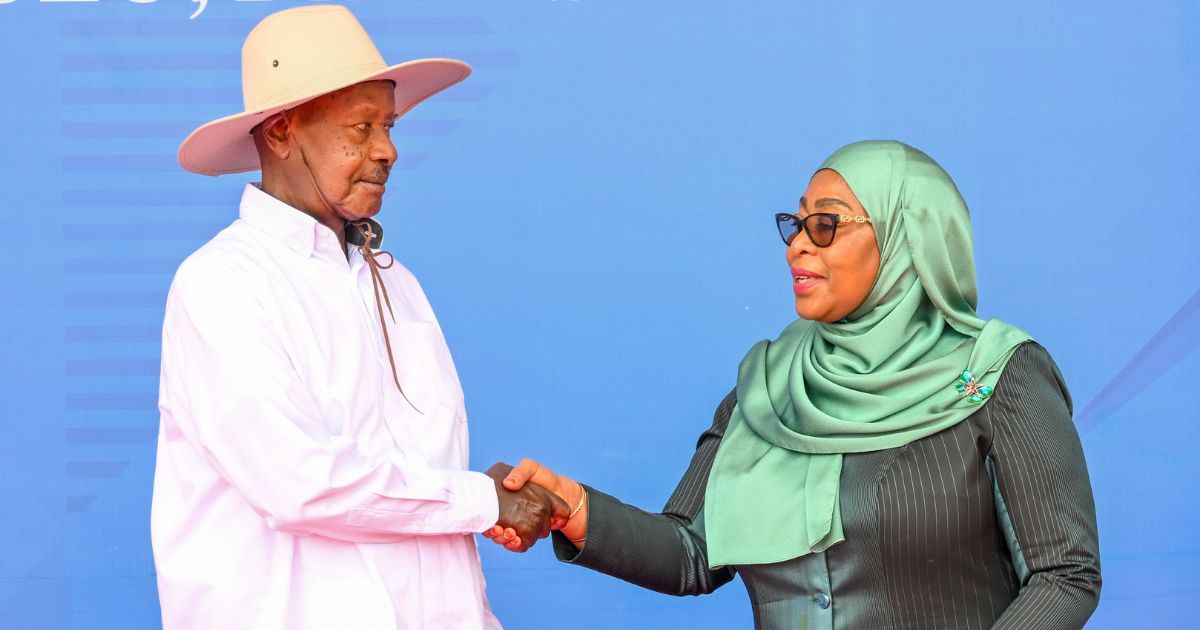
Welcome to the Money News Roundup. In today’s edition, we look at the new Uganda–Tanzania deal to develop a joint oil refinery and regional energy hub. We also examine the Auditor-General’s report that has flagged millions of shillings paid to the headteachers’ lobby, KESSHA.
Tanzania and Uganda have signed an MoU expected to attract more than Ksh2.58 trillion ($20 billion) in energy investments, including a major refinery in Tanzania’s Tanga region.
As reported by The Citizen, the agreement was signed by Tanzania Petroleum Development Corporation, Uganda National Oil Company and Vitol Bahrain during Ugandan President Yoweri Museveni’s State visit to Tanzania.
The development comes months after Aliko Dangote indicated he preferred building a large refinery in Kenya rather than Tanga.
The project aims to transform Tanga into a regional energy hub through four components: a crude oil refinery, storage terminal, jetty and a pipeline transporting refined products between Tanga and Uganda.
Tanzania’s Energy Minister Deogratius Ndejembi said the initiative would create jobs, industries, exports and technology transfer across East Africa.
Officials said the Tanga project will complement Uganda’s planned refinery and strengthen regional energy security and trade. Already, Tanzania and Uganda are jointly implementing the East African Crude Oil Pipeline (EACOP), a Ksh774 billion ($6 billion) project that is about 91% complete and stretches 1,443 kilometres from Hoima in Uganda to Chongoleani in Tanga, Tanzania.
Auditor-General Nancy Gathungu has flagged millions of shillings paid by public secondary schools to the Kenya Secondary School Heads Association (KESSHA), saying the subscriptions are irregular because the association is a welfare body for principals and should be funded by individual head teachers rather than taxpayers.
As reported by the Business Daily, the audit findings of the financial year ended June show schools made large annual payments to KESSHA, including Mang’u High School – Ksh2.77 million, Alliance High School – Ksh2.13 million, Moi Forces Academy – Ksh2.05 million, Moi Girls Kamanungu – Ksh1.82 million, St Mary’s Yala – Ksh1.52 million, Alliance Girls – Ksh1.42 million and Starehe Boys – Ksh66,500.
Gathungu said KESSHA is not recognised under the government funding system and schools lacked assurance that the association has effective financial controls.
KESSHA chairperson Willie Kuria has previously said members contribute Ksh500 per month (Ksh6,000 annually).
If the audit position is enforced, principals would have to pay these subscriptions directly from their salaries instead of using school funds.
Also Read: 25 Proposed Stations in Nairobi's Ksh1 Trillion Underground Railway Project [LIST]
The Tax Appeals Tribunal has blocked KRA from taxing service charge collections handled by building and estate management companies, ending a four-year dispute with Nextgen Mall Management Company.
As reported by Business Daily, KRA had demanded Ksh119.8 million in income tax and VAT, arguing that service charge contributions from property owners were taxable business income.
The Tribunal ruled that the company only acted as a conduit for unit owners, collecting and paying funds for services such as security, cleaning, utilities and repairs.
It found that the money was not the company’s income and that taxing it would amount to double taxation because third-party service providers had already accounted for VAT. KRA can still tax the firm’s own commercial income, including kiosk and stall rentals.
Tanzania is changing its foreign-exchange rules to allow non-residents to participate in government-securities auctions, widening access beyond Tanzanians abroad and investors from the East African Community and SADC.
As reported by Bloomberg, the Bank of Tanzania said the reform is intended to deepen domestic financial markets and make the country a more attractive investment destination.
The move follows Tanzania’s adoption of a benchmark interest-rate monetary policy framework in 2024. Local-currency bonds offer attractive yields, with long-term bonds carrying coupons above 12%.
Tanzania plans to borrow Ksh101.4 billion from domestic sources this fiscal year and may also issue a Eurobond if market conditions improve.
Aliko Dangote has announced that the proposed Lamu oil refinery will cost about Ksh2 trillion, down from an earlier estimate of Ksh2.2 trillion, and that construction will begin by October 2026.
In an interview with BBC, Dangote said the lower projected cost reflects lessons learned from building the company’s refinery in Nigeria, adding that the Kenyan project will be completed faster and is therefore expected to attract lower financing costs.
The refinery is expected to process 700,000 barrels of crude oil per day, making it one of Africa’s largest planned oil-processing facilities. Construction is expected to take about four years to complete.
He said the project will serve Kenya and the wider East African market, including countries such as Egypt. The investment will be financed through 30% equity and 70% debt.
Stanbic Bank Kenya is in discussions with the government on ways to support servicing Kenya’s yuan-denominated SGR debt after part of the railway obligations were converted from dollars into Chinese yuan.
As reported by Capital Business, Chief Financial Officer Dennis Musau said the lender is engaging the government on financing options as Kenya adjusts to the new currency structure.
The conversion of about Ksh774 billion in SGR-related debt is intended to reduce pressure on dollar liquidity and limit exposure to US dollar fluctuations.
However, Kenya’s large trade deficit with China could constrain the natural supply of yuan, making access to the currency and exchange-rate movements key factors in future debt-servicing costs.
Banks are pushing for the Central Bank of Kenya to keep the Central Bank Rate at 8.75% at Tuesday’s Monetary Policy Committee meeting, arguing that previous rate cuts are still supporting credit growth and economic activity.
As reported by the Kenyan Wall Street, the Kenya Bankers Association said maintaining the current rate would help sustain lending without adding inflationary pressure. Headline inflation rose slightly to 6.5% in July but remains within the CBK target range, while core inflation stayed low at 3.2%.
Food prices increased 9%, and transport costs 15.6% due to higher fuel prices. Average commercial lending rates have fallen to 14.5%.
Sudan has signalled willingness to reopen its tea market to Kenya after talks between Sudan’s Ambassador to Kenya Kamal Gubara and leaders of the East Africa Tea Trade Association.
As reported by the East African, discussions raise hopes that tea exports suspended since March 2025 could resume within weeks. Sudan had been importing about 35 million kilogrammes of Kenyan black tea annually, worth about Ksh8.9 billion.
The ban followed a diplomatic dispute after Sudan accused Kenya of supporting the Rapid Support Forces, claims Nairobi denied.
.png)


Join 1.5M Kenyans using Money254 to find better loans, savings accounts, and money tips today.


Money 254 is a new platform focused on helping you make more out of the money you have. We've created a simple, fast and secure way to find and compare financial products that best match your needs. All of the information shown is from products available at established financial institutions that our team of experts has tirelessly collected.




.jpeg)

.jpg)