


Money and Me
September 18, 2026



At the end of 2022, I received a Ksh70,000 bonus from my employer.
At the time, I was working as a sub-editor at a media company. I had been named Employee of the Year for six months that year.
It had been a busy year, particularly because of the 2022 General Election. I played a role in producing and refining content that helped the company gain visibility across the country.
The work attracted new clients who wanted to associate with the brand, and by the end of the year, my boss decided to reward me with a bonus equivalent to almost my monthly salary.
For many people, a bonus is money you can finally spend without feeling guilty.
I also had plenty of things I could have bought.
Instead, I decided to put the money into something I had never seriously tried before, and that is the stock market.
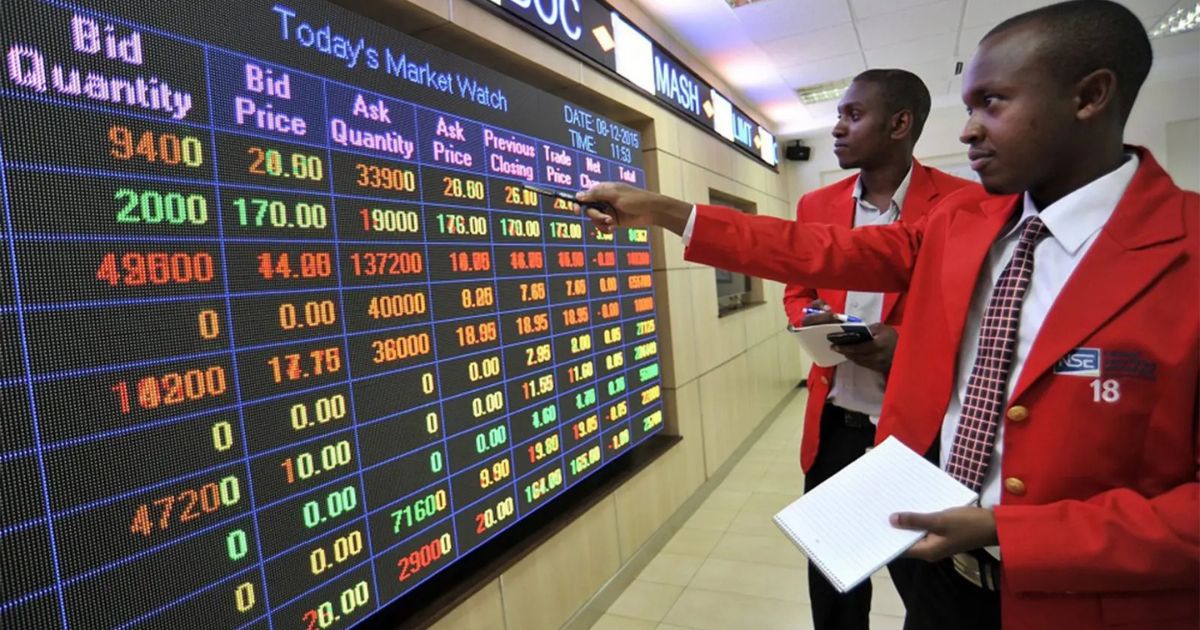
I had done some basic research on how the NSE works, but I was still a beginner.
I understood that buying shares meant becoming a part-owner of a company and that the value of my investment could rise or fall depending on the company's performance and what other investors were willing to pay for the shares.
I was particularly interested in Kenya Power. At the time, the company's shares were trading at around Ksh1.50.
I believed the economy would eventually recover from the economic shocks of the COVID-19 pandemic, the Russia-Ukraine conflict and the uncertainty surrounding the 2022 elections.
I wasn't looking for a quick profit.
My thinking was simple: if I could buy the shares cheaply and hold them for several years, I could benefit if the company and the economy improved.
The Ksh70,000 bonus was not enough to buy the 50,000 shares I wanted, so I added Ksh5,000 from my savings.
In January 2023, I bought 50,000 shares at Ksh1.50 each for Ksh75,000 through a stock broker.
I then decided to leave them alone.
The hardest part was not buying the shares. It was holding on to them.
There were periods when the share price barely moved, and there were times when it fell. Like any investor, I had moments when I wondered whether I had made the wrong decision.
I could have sold and used the money for something else.
But I kept reminding myself why I had bought the shares in the first place.
I had not invested the Ksh75,000 because I needed the money immediately. I had invested because I was thinking about what it could become over several years.
So I left it alone. I continued working and saving separately while allowing the investment to run in the background.
Also Read: I Made My 1st Million Through School Tenders, But One Deal Turned Me Into a Pauper
By 2026, I started to see why patience mattered.
By the end of September 2026, Kenya Power's share price had climbed to around Ksh23 per share. My 50,000 shares are worth approximately Ksh1.15 million.
That means the investment has grown from the Ksh75,000 I put in during January 2023 to more than Ksh1 million in market value.
In September 2026, Kenya Power announced a total dividend of Ksh1.50 per share for the financial year ended June 2026.
The amount consists of a Ksh0.30 interim dividend that had already been paid and a Ksh1.20 final dividend recommended by the board.
The full Ksh1.50 dividend on my 50,000 shares would amount to Ksh75,000 before any applicable taxes.
For me, that is another reminder of why I chose to hold the shares.
I have already seen the value of the investment increase. Now, I am also able to potentially earn income from simply owning the shares.
I don't know what the share price will be in another five or 10 years. It could rise, fall or remain volatile.
What I do know is that I would probably have spent that Ksh70,000 bonus if I had not deliberately given it a job.
The biggest lesson for me has been that investing does not always start with a huge amount of money.
Sometimes it starts with deciding what you will not spend.
.png)


Join 1.5M Kenyans using Money254 to find better loans, savings accounts, and money tips today.


Money 254 is a new platform focused on helping you make more out of the money you have. We've created a simple, fast and secure way to find and compare financial products that best match your needs. All of the information shown is from products available at established financial institutions that our team of experts has tirelessly collected.












![CBK Approves 29 New Digital Lenders [LIST]](https://cdn.prod.website-files.com/6038c1030be2580db46ccf46/6abce37f51393f90d11dbea6_top%20image%20%2B%20Templates%20%20-%202026-09-30T132202.886.jpg)
