News and Analysis
September 30, 2026


Hello and welcome to the Money News Roundup. Today, we look at why Uganda is holding off on investing in the Ksh2 trillion Lamu refinery. We also examine the growing number of Sacco accounts holding over Ksh1 million.
Uganda President Yoweri Museveni has backed the planned Lamu oil refinery but said Uganda will delay investing until it establishes what happened to a separate refinery proposed for Tanga, Tanzania.
As reported by Nation, Museveni said Uganda had previously discussed building a small refinery in partnership with Tanzania to serve its domestic market and neighbouring countries.
He said Uganda still intends to develop refining capacity because of its petroleum resources.
Museveni said he would first seek clarity from Tanzanian President Samia Suluhu Hassan on the status of the Tanga project before committing to Lamu. Uganda and Tanzania have been undertaking a pipeline that will transport crude oil from Uganda to Tanga before being exported to the global market.
He nevertheless expressed support for the Kenyan project and said Uganda would work with Presidents William Ruto and Samia to harmonise the regional refinery plans.
Tanga, Tanzania, was initially considered the preferred location, partly due to plans for the Uganda-Tanzania crude oil pipeline. However, Dangote Group ultimately chose Lamu for the refinery.
Dangote said Lamu offered the water supply, adequate sea depth and suitable land needed to support a refinery of the project’s scale.
Meanwhile, as reported by the Business Daily, the Dangote Group has approached Nigeria’s Securities and Exchange Commission (SEC) seeking approval to increase the number of shares offered in its ongoing Ksh207.5 billion refinery IPO amid strong investor demand. The offer, running until October 13, involves 4.1 billion shares, equivalent to about 3.4% of Dangote Petroleum Refinery.
Also Read: Everything to Know About Dangote’s Ksh2 Trillion Lamu Refinery
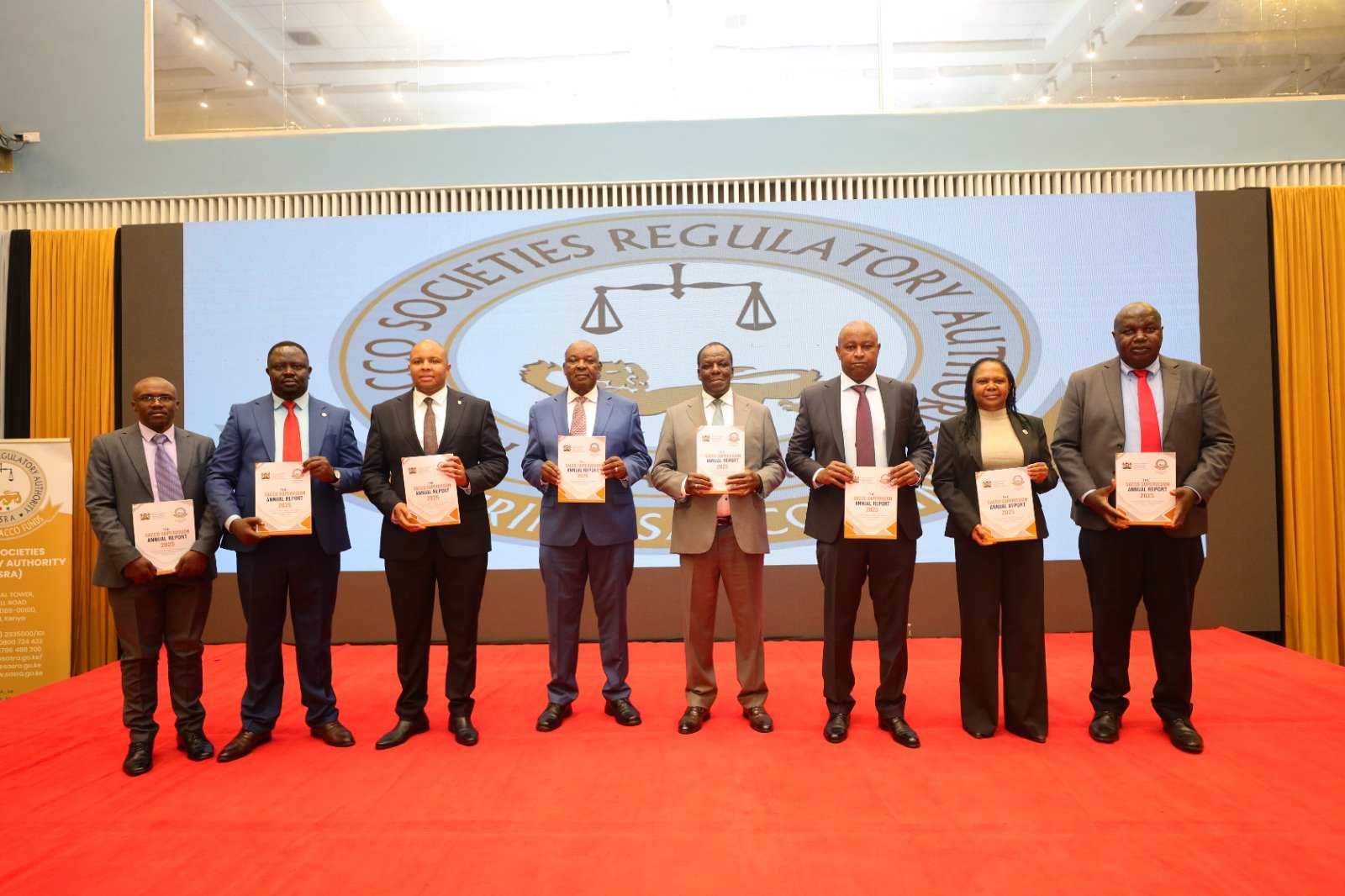
The number of Sacco accounts holding more than Ksh1 million increased 10% to 154,000 in 2025 from 140,000 in 2024, SASRA data shows.
As reported by the Business Daily, although these accounts represented just 0.81% of 18.95 million accounts, they held Ksh319.66 billion, equivalent to 38.38% of total deposits.
Meanwhile, 16.86 million accounts, or 89.03% of all accounts, held less than Ksh50,000, collectively accounting for Ksh44.61 billion.
Sacco deposits rose to Ksh832.74 billion from Ksh749.43 billion, while loans increased to Ksh948.67 billion. Saccos disbursed Ksh596.54 billion across key sectors, including Ksh157.2 billion for land and housing, Ksh124.51 billion for education and Ksh110.74 billion for agriculture.
Health facilities were directed to migrate to the new Health Management Information System (HMIS) or risk losing the ability to serve patients covered by SHA.
As reported by Citizen Digital, Health CS Aden Duale said the existing SHA provider portal would be shut down at midnight on September 30, with facilities required to use the certified HMIS.
The government says the new system will improve service delivery by enabling real-time patient verification, electronic claims processing and secure provider authentication. The government expects the platform to reduce fraud, speed up reimbursements and improve accountability.
The system will also allow doctors to access patients’ medical records, including scans, across different facilities, reducing repeat tests and simplifying referrals. Faith-based facilities were given a three-month grace period to migrate.
Kenya’s annual inflation rate rose to 6.8% in September from 6.6% in August, driven by higher prices of food, transport, and housing-related utilities.
As reported by Capital Business, KNBS data shows food and non-alcoholic beverage prices increased 9.5% year-on-year, while transport costs rose 15.6%.
Housing, water, electricity, gas and other fuels increased by 3.2%. The three categories account for more than 57% of the Consumer Price Index basket.
Month-on-month, food prices rose 0.9%, while alcohol, tobacco and narcotics increased 0.4%. Household furnishings and personal care costs each rose 0.2%.
The High Court in Nairobi has struck out a petition seeking to liquidate KUSCCO, ruling that the Insolvency Act does not provide the legal basis for winding up a co-operative society.
As reported by Citizen Digital, Lady Justice Rhoda Rutto upheld KUSCCO’s preliminary objection, finding that the society is governed by the Co-operative Societies Act, which provides its own dissolution and liquidation framework.
Rupsa Regulated NWDT Sacco had sought KUSCCO’s liquidation over an alleged Ksh108.85 million unpaid statutory demand and wider financial concerns.
The court held that even evidence of insolvency could not allow creditors to bypass the statutory process under the Co-operative Societies Act.
Long-distance bus services remained suspended at Dar es Salaam’s Magufuli Bus Terminal on Wednesday as drivers continued their strike for a second day over licence demerit points, suspensions and removal of licences from the system.
As reported by the Citizen Tanzania, Home Affairs Minister Patrobas Katambi directed police to suspend the demerit-point system for 14 days pending review and urged drivers to resume work. However, the strike continued, leaving passengers stranded, seeking refunds or alternative transport.
Bus operators also faced pressure from passengers demanding refunds as the disruption affected long-distance travel.
Also in the News
.png)


Join 1.5M Kenyans using Money254 to find better loans, savings accounts, and money tips today.


Money 254 is a new platform focused on helping you make more out of the money you have. We've created a simple, fast and secure way to find and compare financial products that best match your needs. All of the information shown is from products available at established financial institutions that our team of experts has tirelessly collected.




![CBK Approves 29 New Digital Lenders [LIST]](https://cdn.prod.website-files.com/6038c1030be2580db46ccf46/6abce37f51393f90d11dbea6_top%20image%20%2B%20Templates%20%20-%202026-09-30T132202.886.jpg)


![Kenya's Richest Saccos By their Assets [2026]](https://cdn.prod.website-files.com/6038c1030be2580db46ccf46/6aba762c2657302fef3a5739_top%20image%20%2B%20Templates%20%20-%202026-09-28T170726.154.jpg)

![You Have Ksh7 Million: Buy a Home in Cash or Rent and Invest? [The 10-Year Numbers]](https://cdn.prod.website-files.com/6038c1030be2580db46ccf46/6abbbdaf2080b24be31d8e0b_top%20image%20%2B%20Templates%20%20-%202026-09-29T162813.614.jpg)