


News and Analysis
October 8, 2026


Welcome to the Money News Roundup. Today, we cover the recall of thousands of Toyota vehicles in Kenya over defective airbags. We also look at why more than 64,000 Absa Kenya shareholders rejected a buyout offer from the bank’s South African parent company.
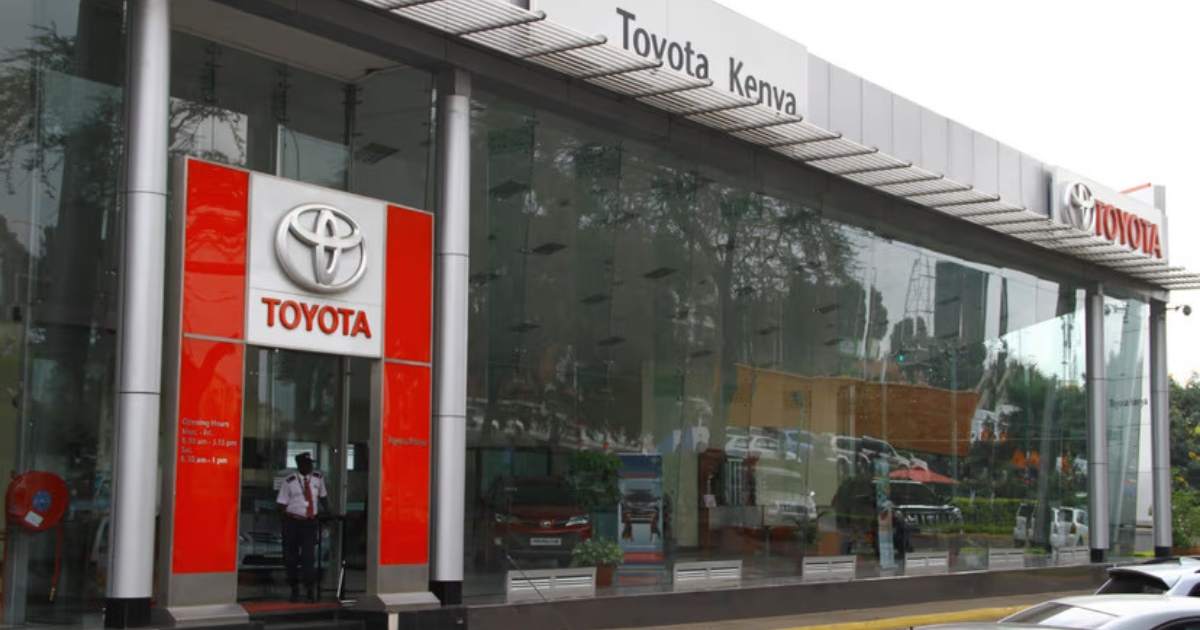
CFAO Mobility Kenya has recalled some Toyota vehicles manufactured between 2001 and 2017 over defective Takata airbags linked to injuries and deaths globally.
As reported by Capital Business, the Association of Kenya Insurers (AKI), in a letter to insurance company CEOs, said CFAO Mobility was working to replace the affected airbags.
According to AKI Executive Director Tom Gichuhi, the defective airbags have been reported to deploy unexpectedly, causing accidents, injuries, fatalities and property damage.
CFAO presented the recall campaign during the Underwriting Managers’ Forum on April 17, 2026, after which affected vehicles were identified and details shared with insurers.
AKI urged insurers to sensitise customers with affected vehicles and share their contact details with CFAO for follow-up.
The recall involves airbags made by Takata, which filed for bankruptcy protection in 2017 after billions of dollars in liabilities linked to the defective airbags.
Matatu operators have ruled out reducing fares despite a Ksh5 per litre cut in diesel prices, saying the reduction is too small to offset rising operating costs.
As reported by the Star, Matatu Owners Association President Albert Karakacha described the decrease as a drop in the ocean, citing high expenses such as spare parts, maintenance, insurance and staff salaries.
Last week, EPRA reduced diesel prices to Ksh217.86 per litre in Nairobi, while petrol remained at Ksh214.03. However, most Nairobi matatu routes continue charging between Ksh100 and Ksh150, compared to Ksh70–Ksh130 before fuel prices surged earlier this year.
More than 64,000 minority shareholders of Absa Kenya declined an offer by South Africa’s Absa Group to buy part of their shares, limiting the lender’s plan to increase its stake in the bank.
As reported by the Business Daily, Absa Group purchased 189.38 million shares, equivalent to a 3.49% stake, from 2,045 shareholders after offering Ksh34.50 per share. The transaction achieved only a 21.1% subscription rate.
Analysts attributed the weak uptake to Absa Kenya’s rising share price, which reduced the attractiveness of the offer.
Absa Group, which currently owns about 68.5% of the bank, has indicated it may return with another offer or acquire shares through market purchases.
Education Cabinet Secretary Julius Ogamba has reaffirmed that schools cannot require learners to report before 7:15 am, as provided under the Basic Education Regulations, 2015.
As reported by the Star, Ogamba told the National Assembly that classroom instruction officially runs from 8 am to 3:30 pm, while co-curricular activities may continue until 4:45 pm. The reporting time applies to both public and private day schools.
The clarification comes amid concerns from parents and learners over early reporting requirements imposed by some schools.
Meanwhile, the Ministry of Education has confirmed that schools will reopen for Term Three on Monday, August 24, 2026, for a nine-week term ending October 23.
Equity Group posted a record Ksh45.5 billion profit after tax in the first half of 2026, marking a 32% increase year-on-year, supported by stronger revenues, improving asset quality and growth in regional subsidiaries.
As reported by the Kenyan Wall Street, profit before tax rose 39% to Ksh57.8 billion, while total income increased 25% to Ksh124.9 billion. Net interest income grew 17% to Ksh69.3 billion, while non-funded income surged 36% to Ksh55.6 billion.
The Group’s total assets expanded 20% to Ksh2.16 trillion, with customer deposits rising 21% to Ksh1.59 trillion and net loans growing 19% to Ksh981 billion.
KCB Group plans to raise up to Ksh300 billion over five years through a Medium Term Note Programme to finance green, blue and social projects.
As reported by Capital Business, the programme will start with an initial tranche of up to Ksh100 billion, subject to regulatory approvals and market conditions.
Funds will support renewable energy, affordable housing, green buildings, clean transport, sustainable agriculture, water management, MSMEs, women and youth-led businesses, and blue economy projects.
KCB CEO Paul Russo said the programme would help mobilise long-term capital for projects with environmental and social benefits. KCB has disbursed more than Ksh187 billion in green loans since 2022, including Ksh48.8 billion in 2025.
Kenya Airways plans to transform its Pride Centre facility near JKIA into a fully fledged international hospital as part of efforts to diversify its revenue streams.
As reported by the Kenyan Wall Street, Acting Group CEO Captain George Kamal said the airline is partnering with hospital networks in India and Thailand to provide specialised tertiary care in Nairobi and attract patients from across East Africa.
The airline also plans to develop an airside transit hotel at JKIA for passengers facing delays or long layovers. The carrier is also prioritising air cargo, with plans to acquire Boeing 777 or 767 freighters to support Kenya’s horticulture and flower exports.
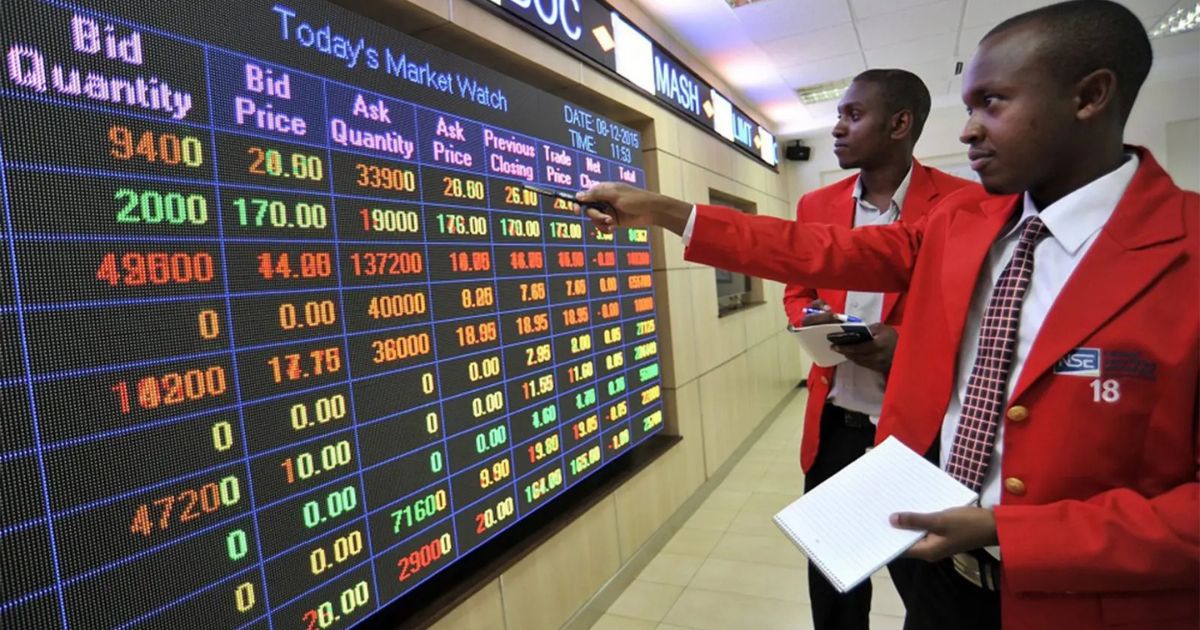
Individual investors using Safaricom’s Ziidi Trader platform are spending an average of Ksh4,818 per share purchase, up from Ksh2,872 when the platform launched in March.
As reported by the Business Daily, nearly one million investors have signed up to the M-Pesa-based trading platform, although fewer than 150,000 are actively trading.
Backers attribute the low conversion rate to limited investor education rather than access challenges, with many users unsure which stocks to buy.
Ziidi Trader has handled about 54% of share orders at the NSE since launch. The platform allows M-Pesa users to buy and sell NSE-listed shares and bonds directly from their phones.
.png)


Join 1.5M Kenyans using Money254 to find better loans, savings accounts, and money tips today.


Money 254 is a new platform focused on helping you make more out of the money you have. We've created a simple, fast and secure way to find and compare financial products that best match your needs. All of the information shown is from products available at established financial institutions that our team of experts has tirelessly collected.







![You Have Ksh7 Million: Buy a Home in Cash or Rent and Invest? [The 10-Year Numbers]](https://cdn.prod.website-files.com/6038c1030be2580db46ccf46/6abbbdaf2080b24be31d8e0b_top%20image%20%2B%20Templates%20%20-%202026-09-29T162813.614.jpg)

