


News and Analysis
October 8, 2026


Welcome to the Money News Roundup. In today’s edition, we break down the new university funding Bill, including proposals for a parent savings scheme. We also cover Kenya’s latest plan to secure a new IMF loan.
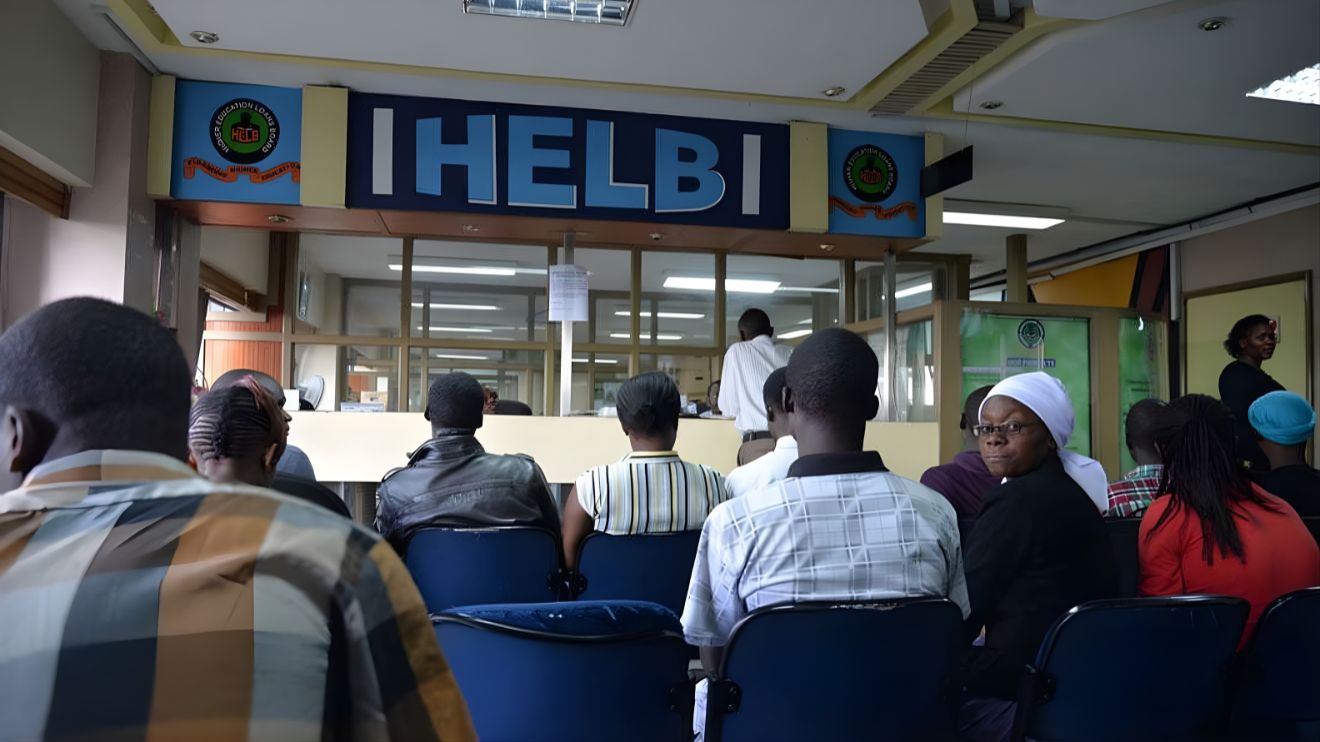
Parents could soon be allowed to save directly for their children’s future university and college fees under the proposed Tertiary Education Placement and Funding Bill, 2026.
As reported by Nation, the Bill empowers the new Tertiary Education Funding Authority to establish a savings scheme or product that can receive deposits from any person for the purpose of saving towards tertiary education for a specific child.
However, the proposed law does not provide details on how the savings scheme would operate, including contribution limits, returns, withdrawal rules or management of the funds.
In terms of loans issued to students, employers who fail to deduct and remit student loan repayments under Kenya’s proposed university and college funding model could face a 5% penalty for every month the amount remains unpaid.
The deductions cannot exceed 25% of the employee’s emoluments, and employers must remit the money within nine days after the end of each month.
Any unpaid amount would be recoverable as a civil debt.
The Bill also requires employees to disclose their loan status when they start formal employment, while informal workers must agree on a payment plan with the proposed Tertiary Education Funding Authority.
Public school heads who charge Kenyan parents extra fees could face a fine of up to Ksh1 million, imprisonment for up to three years, or both under the proposed Basic Education Bill 2026.
As reported by the Star, the government-sponsored Bill seeks to bar public schools from demanding tuition fees from Kenyan learners.
Schools seeking to impose other charges would need approval from the Education Cabinet Secretary, while non-citizens could still be charged tuition fees.
The proposed law also introduces a Ksh100,000 fine for parents who fail to enrol their children or ensure their regular attendance at school.
Kenya has revived talks with the International Monetary Fund (IMF) for a new financing programme, a move that could bring fresh loans but also tougher economic conditions for taxpayers.
According to Business Daily, the IMF is expected to send a team to Nairobi to discuss a possible new programme after its previous Ksh465 billion (USD3.6 billion) arrangement ended in 2025.
Kenya is seeking a new lending component to support its finances, as the government faces pressure to raise revenue and control spending. The exact amount of the programme is yet to be known.
For Kenyans, a new IMF deal could mean tighter government spending, increased revenue collection and possible tax or policy changes as part of the conditions attached to financial support.
KCB Group has raised its interim dividend by 50% to Ksh3 per share after reporting a 14% increase in net profit to Ksh36.9 billion for the six months ended June 2026.
As reported by Business Daily, the dividend will see the lender distribute Ksh9.64 billion to shareholders, up from Ksh2 per share paid as an interim dividend last year. KCB said the higher payout reflects its commitment to increasing dividends from profits generated by its core business.
The bank’s total assets grew 16.8% to Ksh2.3 trillion, while gross loans increased 14.2% to Ksh1.3 trillion. Customer deposits also rose 15.1% to Ksh1.7 trillion.
KCB’s Kenyan business remained the main contributor, with its net profit rising 16% to Ksh26.5 billion.
Co-operative Bank of Kenya’s net profit rose 28% to Ksh18 billion in the first half of 2026, up from Ksh14.1 billion a year earlier, marking its strongest half-year performance on record, according to Citizen Digital.
The lender attributed the growth to stronger core banking income, with net interest income rising 13% to Ksh33.2 billion, while operating income increased 12.5% to Ksh48.9 billion.
Co-op Bank’s total assets grew 7.1% to Ksh869.5 billion, while customer deposits rose 11.2% to Ksh623.2 billion. Net loans and advances increased 18.1% to Ksh462.2 billion, despite a 9.2% rise in operating expenses.
Meanwhile, as reported by Capital Business, Sanlam Allianz Holdings (Kenya) reported a net profit of Ksh124.6 million for the six months ended June 30, 2026, up from Ksh30.9 million in the same period last year.
The company said the performance was supported by higher insurance revenue, which rose to Ksh2.2 billion.
Several Kenyan cryptocurrency startups are considering relocating to South Africa or Mauritius after new regulations introduced steep minimum capital requirements for licensing.
As reported by the Business Daily, under the new framework, a virtual asset exchange must have Ksh100 million in paid-up capital, stablecoin issuers Ksh300 million, wallet providers Ksh150 million, payment processors Ksh10 million, and crypto asset managers Ksh20 million.
Founders say the thresholds are too high for early-stage firms and difficult to meet before the November 4 deadline.
Industry players had proposed a tiered system based on company size and age, but the final rules retained significant capital requirements.
***
.png)


Join 1.5M Kenyans using Money254 to find better loans, savings accounts, and money tips today.


Money 254 is a new platform focused on helping you make more out of the money you have. We've created a simple, fast and secure way to find and compare financial products that best match your needs. All of the information shown is from products available at established financial institutions that our team of experts has tirelessly collected.








![You Have Ksh7 Million: Buy a Home in Cash or Rent and Invest? [The 10-Year Numbers]](https://cdn.prod.website-files.com/6038c1030be2580db46ccf46/6abbbdaf2080b24be31d8e0b_top%20image%20%2B%20Templates%20%20-%202026-09-29T162813.614.jpg)

