Investments
October 5, 2026


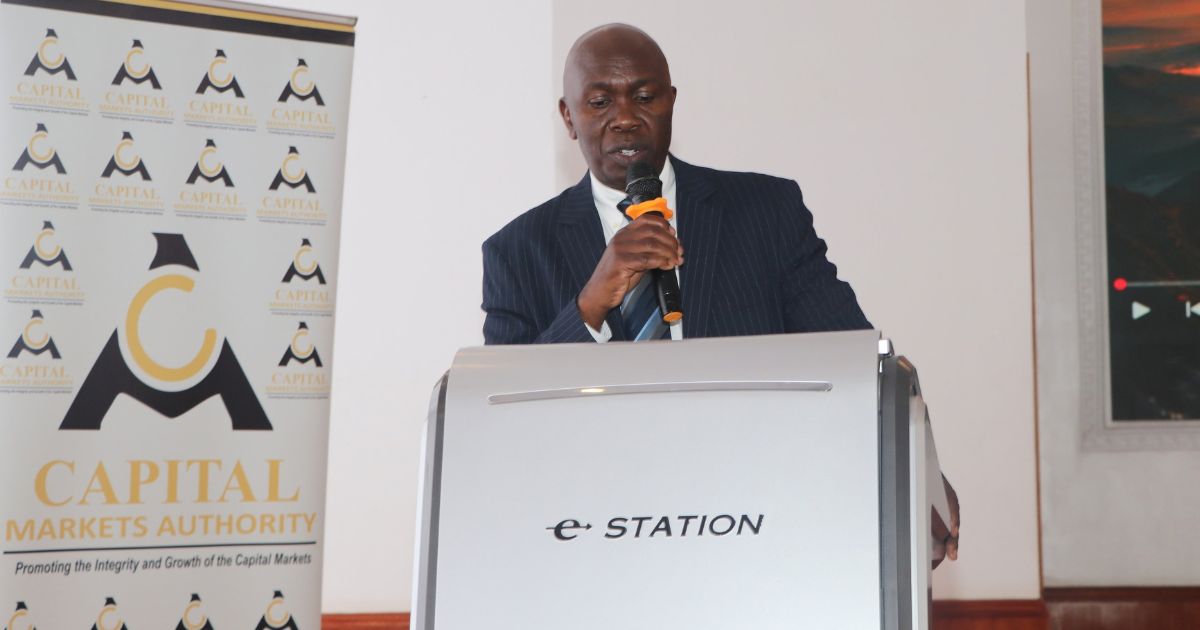
The Capital Markets Authority (CMA) has warned Kenyans against investment schemes promising unusually high returns with little or no risk, urging investors to verify the legitimacy of investment firms before committing their money.
In a notice dated October 6, the regulator highlighted five warning signs that could help Kenyans identify potential investment scams before losing their money.
Here are the 5 red flags to watch out for when investing
Also Read: Scams That Saw Kenyans Lose Money in 2025 And How They Worked
1. Guaranteed returns
The CMA identified promises of high returns with little or no risk as one of the clearest warning signs of a potential investment scam. Fraudsters may advertise fixed monthly profits or guarantee that investors will earn a specific percentage regardless of market conditions.
For example, an investment platform promising monthly returns of 30% without explaining the risks should raise concerns.
2. Pressure to invest immediately
Scammers may claim that an offer is available for a limited time, that registration will close within hours or that investors risk losing out if they delay.
Such tactics are designed to prevent potential investors from conducting independent research, comparing alternatives or verifying the people behind the investment.
The CMA advises investors to pause and verify an opportunity before sending money, regardless of how urgent the offer appears.
3. Investment firms that are not licensed
The regulator also warned Kenyans against investing through firms that are not licensed or approved to provide the relevant investment services.
Before committing money, investors should establish whether the company and the individuals offering the investment are authorised to operate in Kenya.
The CMA maintains an online register of licensed and approved institutions, including fund managers, investment advisers, stockbrokers and approved collective investment schemes.
Investors can check the register through https://licensees.cma.or.ke/ before transferring funds.
Read Also: 6 Reasons Why People Get Scammed
4. Unusual payment methods
Requests to pay through cryptocurrency wallets or untraceable transfer channels are another warning sign highlighted by the CMA.
Investors should be cautious when promoters insist on payment methods that make it difficult to establish who receives the money or where it goes.
5. Unrealistic investment stories
The CMA warned investors against being persuaded by celebrity videos, online personalities or strangers promoting supposedly secret investment opportunities.
Scammers may use testimonials, screenshots of purported profits and claims that other investors have already made substantial returns to attract new participants.
Some may also rely on personal relationships or referrals from friends and family to establish trust. However, the popularity of a promoter or the apparent success of existing participants does not establish that an investment is legitimate.
The warning by CMA comes after it cautioned Kenyans against investing in 15 investment schemes. The 15 entities include Global Investment Group (GIG), Quant Vest Stock Exchange (QVSE), Kore Exchange, Abacus Wealth Management, Brown Advisory Group, B Invest, Bitblock Capital Limited and Maliwave Investments.
Read Also: Too Good to be True? Signs It’s a Get-Rich-Quick Scheme, Scam
The other flagged entities included Monetrix Capital Investments, Twenty-four Hours Pro expert Trader, Wealth Sharing Group (Opticoin), CBEX, Just Markets, Ultima Cryptocurrency and Lukman-trust fund.
One of the entities named in the CMA's warning is QVSE, which reportedly attracted thousands of Kenyans with promises of profits from trading in foreign stocks.
The scheme came under renewed scrutiny in September 2026 after two women were charged at the Milimani Law Courts over allegations of operating an unlicensed collective investment scheme linked to QVSE and Global Investment Group.
A September 23 report by Business Daily indicated that a person identified as Carl Grindan, also known as Prof Carl, was promoting a new platform called Apollo. The report said investors were being asked to deposit approximately Ksh51,800 ($400) with the promise that they could access money in QVSE accounts.
Reports suggest that investors lost about Ksh1 billion in the scheme.
.png)


Join 1.5M Kenyans using Money254 to find better loans, savings accounts, and money tips today.


Money 254 is a new platform focused on helping you make more out of the money you have. We've created a simple, fast and secure way to find and compare financial products that best match your needs. All of the information shown is from products available at established financial institutions that our team of experts has tirelessly collected.





![You Have Ksh7 Million: Buy a Home in Cash or Rent and Invest? [The 10-Year Numbers]](https://cdn.prod.website-files.com/6038c1030be2580db46ccf46/6abbbdaf2080b24be31d8e0b_top%20image%20%2B%20Templates%20%20-%202026-09-29T162813.614.jpg)

%20(1).jpg)