Investments
September 16, 2026


For a number of Kenyans, the journey into finance doesn’t begin with stocks, bonds or property. It begins with a chama.
In the best circumstances, chamas can be built on trust, discipline and shared goals. They make saving easier by turning it into a collective responsibility. Month after month, members contribute, hold each other accountable, and slowly build a pool of capital that would be difficult to accumulate individually.
But while many chamas succeed at saving, few succeed at growing that money in a meaningful way. The difference lies in one crucial shift: moving from simply pooling money to intentionally investing it.
That shift is what transforms a chama from a social financial tool into a serious wealth-building engine.
Also read: Chama Revolution: What Successful Chamas Know & Do, Why Many Fail
In the early stages, most chamas operate informally. Decisions are made through conversation, records may be basic, and roles are loosely defined. This works when the stakes are small, but it becomes a limitation as the group grows.
Turning a chama into an investment vehicle requires a higher level of structure. Clear roles help avoid confusion, proper record-keeping builds trust, and a defined framework for decision-making reduces conflict. Formalising the group, whether through registration or simply adopting stricter internal systems, changes how members see the chama. More importantly, it changes how the chama operates.
One common mistake is thinking that serious investing must begin with big, risky moves. In reality, the strongest portfolios are often built gradually.
A chama can begin by placing part of its funds into relatively stable and accessible investment vehicles like MMFs. The goal at this stage is not to chase high returns, but to build confidence and consistency. Members start to see their money generating income outside of contributions, and that changes the group’s perspective.
Over time, this confidence creates room for more ambitious decisions.
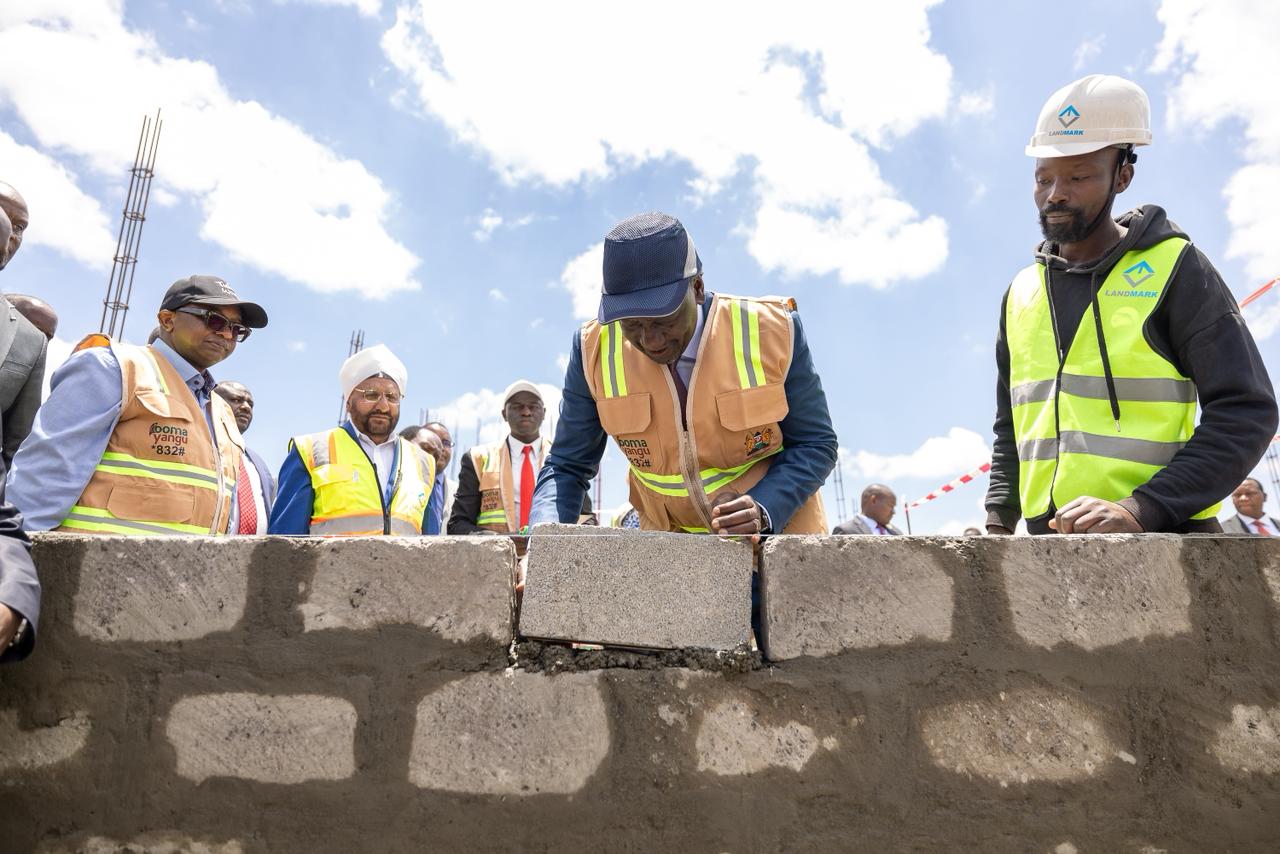
This has been tried and tested. In 2015, a boda boda SACCO in Nanyuki started by contributing Ksh50 a day and in 6 years developed an estate worth Ksh150million.
Without a clear strategy, even a well-funded chama can struggle to grow. A more mature chama begins to think differently. It defines what it is trying to achieve. Is the goal steady income, long-term growth or capital preservation? How long can the group afford to keep money invested? How much risk is acceptable?
Once these questions are answered, investments become more deliberate. The group can spread its funds across different opportunities, balancing safety and growth instead of relying on a single idea.
This is the point where a chama starts to resemble a portfolio rather than a pool of savings.
Chamas are deeply social by nature, and that is both their strength and their weakness. Relationships build trust, but they can also complicate financial decisions.
It is not uncommon for members to push for investments based on personal interests or external pressure. Without discipline, this can lead to poor choices or unnecessary conflict.
A chama that wants to grow must learn to separate emotion from decision-making. Ideas should be evaluated on their financial merit, not on who proposed them or how exciting they sound. This requires honesty, patience and, at times, the willingness to say no.
Also Read: 7 Good Reasons to Join a Chama
The moment a chama starts investing, it must also start tracking its performance. This is where many groups fall short.
It is not enough to know that money has been invested. The group needs to understand what that investment is doing. Is it generating returns? Is it meeting expectations? Could the money perform better elsewhere?
Regular reviews help answer these questions. They also create accountability. When members can clearly see how their money is performing, decisions become more informed and more objective.
In many ways, this is what separates a casual investment effort from a serious one.
Also read: How We Got Scammed Our Life Savings Through Chamas - (5 Victims Tell Their Story)
With the right structure, a clear strategy and a willingness to think long term, a chama can become more than a place to save. It can become a platform for building real wealth.
And in a country where access to capital is often limited, that transformation matters.
Because when a chama evolves into a portfolio, it doesn’t just change how money grows; it changes what is possible for the people behind it.
.png)


Join 1.5M Kenyans using Money254 to find better loans, savings accounts, and money tips today.


Money 254 is a new platform focused on helping you make more out of the money you have. We've created a simple, fast and secure way to find and compare financial products that best match your needs. All of the information shown is from products available at established financial institutions that our team of experts has tirelessly collected.





%20(1).jpg)





.jpg)