News and Analysis
October 16, 2026


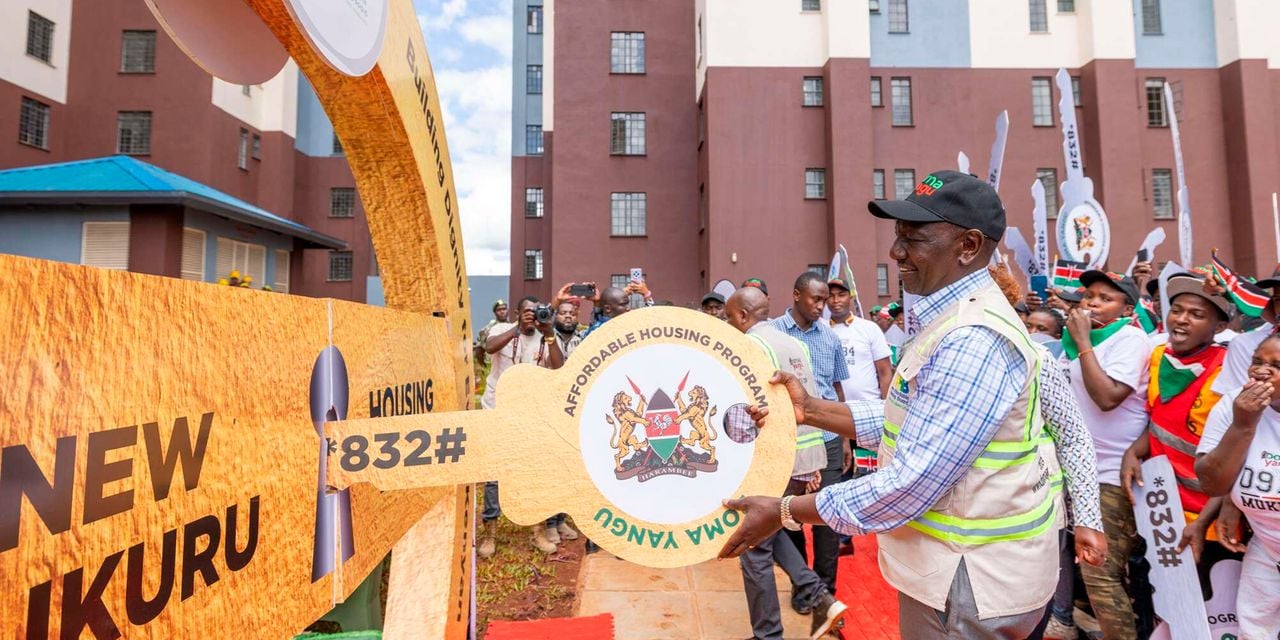
Hello and welcome to the Money News Roundup Newsletter. Today, we cover the government's plan to use Housing Levy collections to secure a Ksh100 billion loan and NSSF's clarification that enhanced contributions will continue despite recent court rulings on the NSSF Act, 2013.
The government plans to use future proceeds from the 1.5% Affordable Housing Levy as collateral to secure a Ksh100 billion loan, a move that could see the deduction remain in place for years.
As reported by Nation, a Parliamentary committee report states that the State Department for Housing intends to use the funds to bridge part of a Ksh118.3 billion financing gap in the affordable housing programme.
The government requires Ksh228.3 billion for housing projects in the 2026/27 financial year but has allocated only Ksh110 billion.
The financing plan involves securitisation, where future levy collections are pledged to repay investors who purchase the bond. This allows the government to raise large amounts of money upfront for housing projects.
Housing Principal Secretary Charles Hinga said securitisation is part of a broader funding strategy that also includes proceeds from house sales and rental income.
Analysts warn that once securitised, abolishing the levy could become difficult unless investors are compensated, potentially extending the deduction beyond the current administration amid a push by other political parties to have the levy scrapped.
NSSF has directed employers to continue deducting and remitting contributions at the current enhanced rates despite a recent Court of Appeal ruling on the NSSF Act, 2013.
In a statement issued on Friday, June 5, NSSF clarified that the ongoing court proceedings do not affect the contribution rates currently being deducted from salaries.
As reported by Kenyans.co.ke, the directive comes days after the Court of Appeal declined NSSF's application to suspend a judgment that declared the NSSF Act, 2013, unconstitutional.
In its ruling, the court found that NSSF had not provided sufficient evidence to show that failure to grant a stay order would cause significant disruption to pension operations or members' savings.
Despite the legal setback, NSSF insisted that contribution rates remain unchanged under the current implementation schedule.
Saccos have joined banks and private sector lobby groups in opposing a proposal that would allow the KRA to access taxpayers' funds even when tax disputes are still under appeal.
As reported by the Business Daily, through the Finance Bill 2026, the government seeks to remove a provision that currently bars KRA from issuing agency notices or freezing accounts while disputes remain unresolved.
KUSCCO warned that the move could disrupt operations, restrict access to working capital and affect lending and member withdrawals.
Business groups argue that taxpayers could be forced to settle disputed tax claims before their appeals are heard, undermining the right to a fair dispute resolution process.
Sasini has cancelled the planned sale of its Gulmarg coffee estate in Kiambu County worth Ksh7.9 billion after the buyer failed to meet key contractual obligations.
The NSE-listed company said the transaction has been formally terminated and the estate will return to operational use instead of being classified as an asset held for sale.
The deal, announced in September 2025, would have generated significant capital gains for the company. Read more
KRA has forgone Ksh9.1 billion in tax revenue over the past two months following the government's decision to reduce VAT on petroleum products from 16% to 8%.
As reported by Capital Business, KRA Commissioner for Customs Lilian Nyawanda said the measure was implemented between April and May 2026 to cushion consumers and businesses from rising fuel costs.
She also clarified that fuel imported aboard MT PALOMA never entered the Kenyan market and was re-shipped elsewhere. Taxes worth Ksh5.1 billion linked to the cargo will be transferred to future fuel import declarations.
Kenya’s private sector recorded its first decline in employment in 2025 as businesses responded to weakening demand and rising operating costs, according to Stanbic Bank’s latest Purchasing Managers’ Index (PMI).
The PMI fell to 46.6 in May from 49.4 in April, marking the third consecutive month of deteriorating business conditions. Firms reported lower output and fewer new orders as customers cut spending amid economic pressures.
Job losses mainly affected temporary workers, while input purchasing also declined for the first time in eight months. Read more
Kenya’s nine largest banks were holding loan collateral worth Ksh5.7 trillion as of December 2025, up from Ksh5.1 trillion a year earlier. The security held is about 1.5 times the Ksh3.6 trillion loan book of the lenders.
As reported by the Business Daily, the collateral, largely comprising land, buildings, vehicle logbooks and shares, provides protection against loan defaults but exposes borrowers to the risk of losing valuable assets through auctions.
Basic Education PS Julius Bitok has ruled out an early midterm closure of schools despite recent cases of student unrest and dormitory fires in several institutions.
As reported by Eastleigh Voice, he also directed principals to suspend second-term examinations that could create tension, disappointment or anxiety among learners.
The Ministry has also ordered a nationwide inspection of boarding facilities within the next 10 days to enhance student safety.
.png)


Join 1.5M Kenyans using Money254 to find better loans, savings accounts, and money tips today.


Money 254 is a new platform focused on helping you make more out of the money you have. We've created a simple, fast and secure way to find and compare financial products that best match your needs. All of the information shown is from products available at established financial institutions that our team of experts has tirelessly collected.





![Kenya's Richest Counties By Contribution to GDP [2026]](https://cdn.prod.website-files.com/6038c1030be2580db46ccf46/6acf79cc000d099ee32f507a_top%20image%20%2B%20Templates%20%20-%202026-10-14T154332.222.jpg)