News and Analysis
October 16, 2026


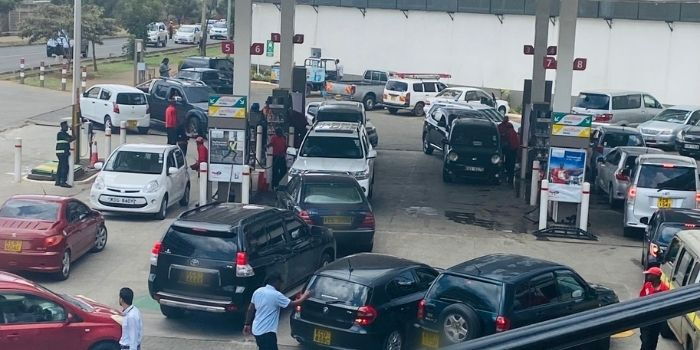
Hello and welcome to the Money News Roundup. Today, we break down how a cancelled fuel deal could cost taxpayers Ksh3.2 billion. We also explain why EPRA raised April fuel prices by up to Ksh40, despite cutting VAT from 16% to 13% and applying a subsidy.
Taxpayers could shoulder a Ksh3.2 billion loss following the cancellation of a fuel import deal just hours before delivery at the Port of Mombasa.
As reported by Citizen Digital, the Senate Energy Committee has launched a probe into the procurement and abrupt termination of the contract involving a 96,000-metric-tonne shipment.
Oryx Energies Managing Director Angeline Maangi said the cargo was already at sea when the deal was cancelled, resulting in losses of more than Ksh3.2 billion due to demurrage and premiums.
However, senators questioned the firm’s pricing, which was reportedly nearly double the government benchmark, raising concerns over transparency.
KPC Acting MD Pius Mwendwa admitted Kenya lacks a 90-day strategic fuel reserve, increasing vulnerability.
The committee will undertake further investigations into the delayed cancellation and potential legal implications.
The government had rejected the fuel deal and ordered that all products be recalled and removed from the Kenyan market, citing high costs. According to Energy CS Opiyo Wandayi, the controversial fuel would have seen Kenyans pay Ksh14 more at the pump. The estimated price would have been Ksh192 per litre of petrol.
Meanwhile, EPRA increased fuel prices by up to Ksh40 in its April review. This is despite the prices factoring in the reduction of 16% VAT to 13% and applying a Ksh6.3 billion subsidy.
The increase, according to EPRA, was necessitated by the drastic increase in landed costs. The increase in landed costs was contributed to by the ongoing conflict in the Middle East, which disrupted production and shipment of fuel products.
Diesel, whose price increased by Ksh40.30, is the most affected. As reported by EPRA, the landed costs of Diesel increased by 68.72%
“The average landed cost of imported Super Petrol increased by 41.53% from Ksh75,295 (US$582.11) per cubic metre in February 2026 to Ksh106,567 (US$823.87) per cubic metre in March 2026.
“Diesel increased by 68.72% from Ksh82,324 (US$636.45) per cubic metre to Ksh138,818 (US$1073.2) per cubic metre while Kerosene increased by 105.15% from US$639.48 per cubic metre to US$1311.93 per cubic metre over the same period.”
As a result, EPRA increased Super Petrol prices by Ksh28.69 and Diesel by Ksh40.30 per litre.
Following the adjustment, a litre of Super Petrol in Nairobi will now retail at Ksh206.97, while Diesel will cost Ksh206.84. Kerosene prices remain unchanged at Ksh152.78 per litre.
The new pump prices took effect on April 15 and will remain in force until May 14.
Following the price hikes, the Kenya Transporters Association (KTA) has announced that transport costs across the country could rise by up to 14 per cent.
As reported by Capital News, KTA, in its advisory, the association cited the sharp increase in diesel prices as a key driver of rising operational costs.
With Diesel prices now crossing the Ksh200 mark, KTA warned that absorbing the additional costs is no longer viable for most operators, particularly in the freight and logistics sector.
The expected increase in transport charges is likely to push up the cost of goods such as food, which are transported across the country by members of the association.
Students joining private universities through KUCCPS will no longer receive government scholarships under a revised funding model.
According to University Fund acting CEO Dr Edwin Wanyonyi, scholarships are now reserved for students placed in public universities, while those in private institutions will only access loans.
As reported by the Nation, he noted that the 2021–2023 cohort was the last group to benefit from scholarships in private universities.
The shift comes amid a sharp rise in enrolment, which has grown by over 300 per cent in the past decade, straining available resources. Currently, the government funds about 70 per cent of university needs.
Officials are proposing an additional Ksh30 billion to boost funding, as a shortfall of Ksh12.63 billion continues to affect higher education financing.
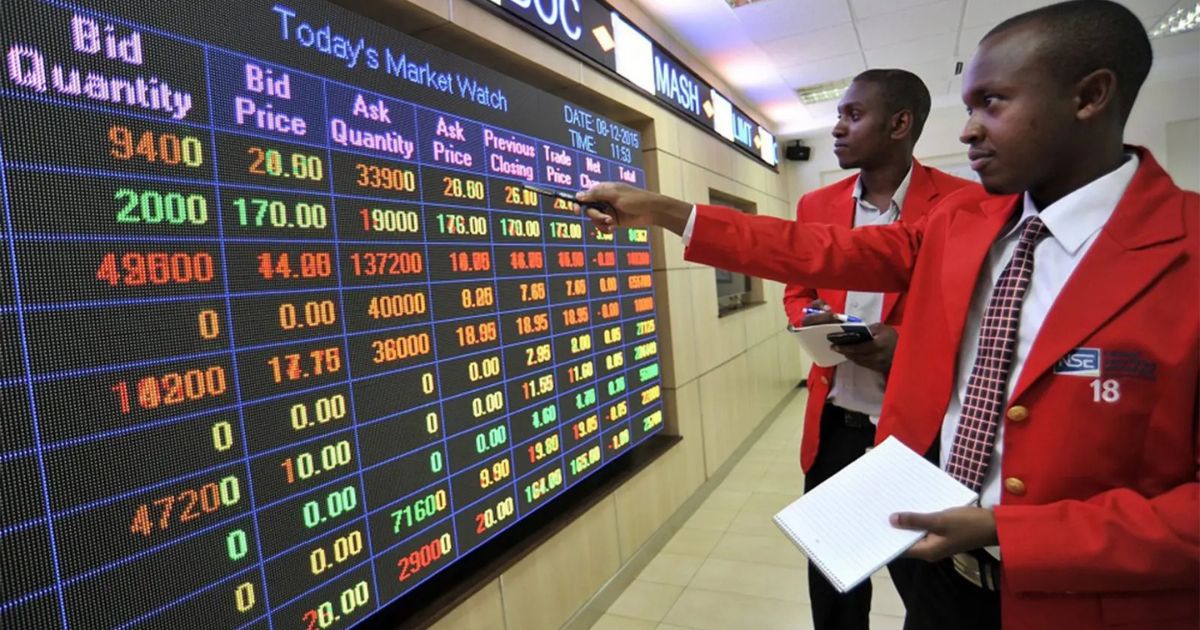
The Nairobi Securities Exchange (NSE) has admitted Fincredit SEZ Limited into its Ibuka Programme, an initiative designed to help small and medium-sized enterprises scale and eventually list on the bourse.
As reported by Capital Business, the NSE said the admission will give the firm access to capital markets and position it for sustainable long-term growth through equity and debt financing.
Fincredit, formerly AAR Credit Services Ltd, is a credit-only microfinance institution operating in Kenya, Uganda, and Liberia.
Chief Executive Officer John Kariuki described the move as a key milestone in the company’s transformation and long-term value creation strategy.
Launched in 2018, the Ibuka Programme features two segments: the Incubator Board, which evaluates business fundamentals, and the Accelerator Board, which provides guidance on capital raising opportunities.
Africa’s richest man, Aliko Dangote, plans to list shares of his petroleum refinery across multiple African stock exchanges in a first-of-its-kind cross-border IPO.
The offer will cover 5% to 10% of equity, with analysts valuing the refinery at between Ksh5.18 trillion ($40 billion) and Ksh6.47 trillion ($50 billion).
The deal could raise up to Ksh647.40 billion ($5 billion), making it Africa’s largest IPO.
As reported by the Kenyan Wall Street, the primary listing is expected on the Nigerian Exchange between June and July 2026, with secondary listings on exchanges including the NSE.
The refinery, with a capacity of 650,000 barrels per day, allows investors to buy shares in naira and receive dividends in US dollars, backed by strong export revenues.
The Kenya Airports Authority (KAA) has appointed Moses Wekesa as its new Managing Director and Chief Executive Officer following a competitive recruitment process.
In a statement, the KAA board said Wekesa will lead the Authority’s long-term aviation and infrastructure agenda, including the management of airports and airstrips across the country.
He takes office as KAA prepares to modernise and expand Jomo Kenyatta International Airport (JKIA) to position it among Africa’s leading aviation hubs.
As reported by Eastleigh Voice, Wekesa previously served as Business Development Director at KenGen, where he drove key growth initiatives.
KAA noted that his experience in infrastructure development across multiple regions positions him well to support the growth of Kenya’s aviation sector and deliver on its transformation plans.
The Odinga family has transferred its 35 per cent stake in fuel dealer Be Energy to Africanable Corporation, a British Virgin Islands-registered company, according to regulatory filings.
The shares were moved from Pan African Petroleum Limited, though it remains unclear whether this was a sale or internal restructuring. The offshore jurisdiction is known for secrecy and tax advantages.
As reported by the Business Daily, the changes come as Be Energy continues to benefit from Kenya’s government-to-government fuel import deal involving Gulf suppliers.
Filings also show boardroom changes, with Oburu Oginga and Raila Odinga Junior exiting and being replaced by close associates, maintaining the family’s influence.
Be Energy has grown its market share to over 3 per cent, ranking among Kenya’s top oil marketers, and continues expanding its regional fuel export footprint.
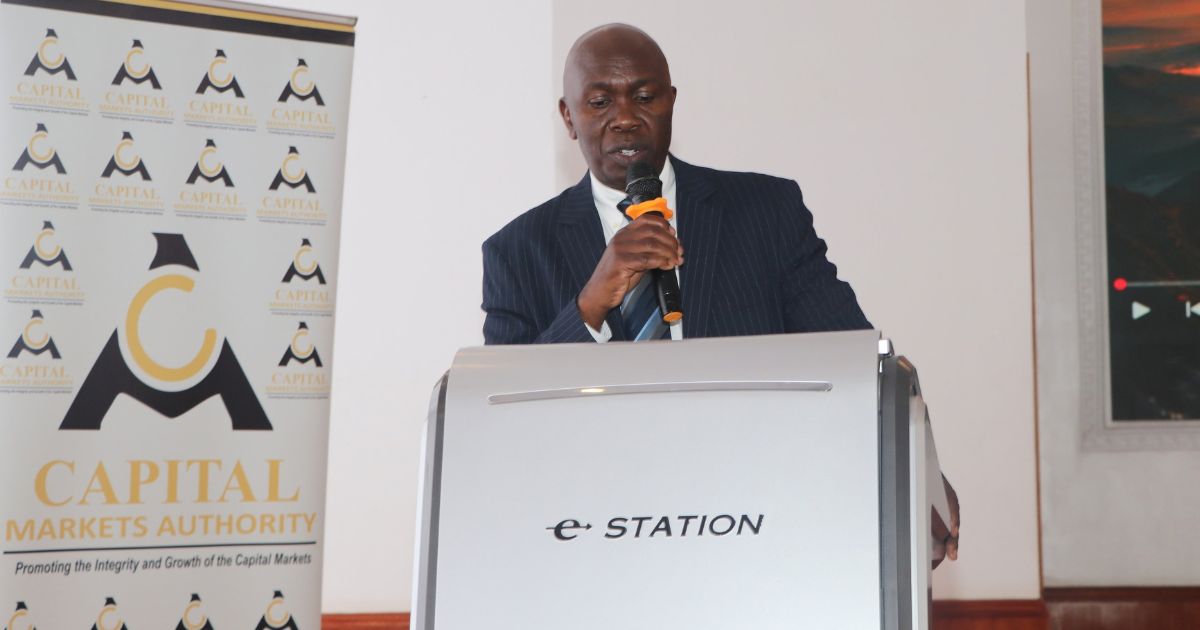
Bank depositors could receive up to Ksh1 million in compensation if the Treasury approves a proposal by the Kenya Deposit Insurance Corporation (KDIC) to double the current cover from Ksh500,000.
Under the proposal, depositors in failed banks will be reimbursed up to Ksh1 million per customer, regardless of the number of accounts held. KDIC said the move aims to boost confidence and strengthen financial stability.
As reported by the Business Daily, the revision follows a recommendation by Zamara Actuarial Services and would mark the second increase in five years after the 2020 review.
Currently, the Ksh500,000 cover protects 99 per cent of bank accounts but only about 14 per cent of total deposits, below the global benchmark of 20 per cent.
KDIC noted the increase will better shield high-value depositors and reduce risks of bank runs in the event of lender collapses.
.png)


Join 1.5M Kenyans using Money254 to find better loans, savings accounts, and money tips today.


Money 254 is a new platform focused on helping you make more out of the money you have. We've created a simple, fast and secure way to find and compare financial products that best match your needs. All of the information shown is from products available at established financial institutions that our team of experts has tirelessly collected.






![Kenya's Richest Counties By Contribution to GDP [2026]](https://cdn.prod.website-files.com/6038c1030be2580db46ccf46/6acf79cc000d099ee32f507a_top%20image%20%2B%20Templates%20%20-%202026-10-14T154332.222.jpg)