News and Analysis
October 22, 2026


Hello and welcome to the Money News Roundup Newsletter, where we cover talks to electrify SGR. We also cover plans for a joint oil refinery with Aliko Dangote in Tanzania.
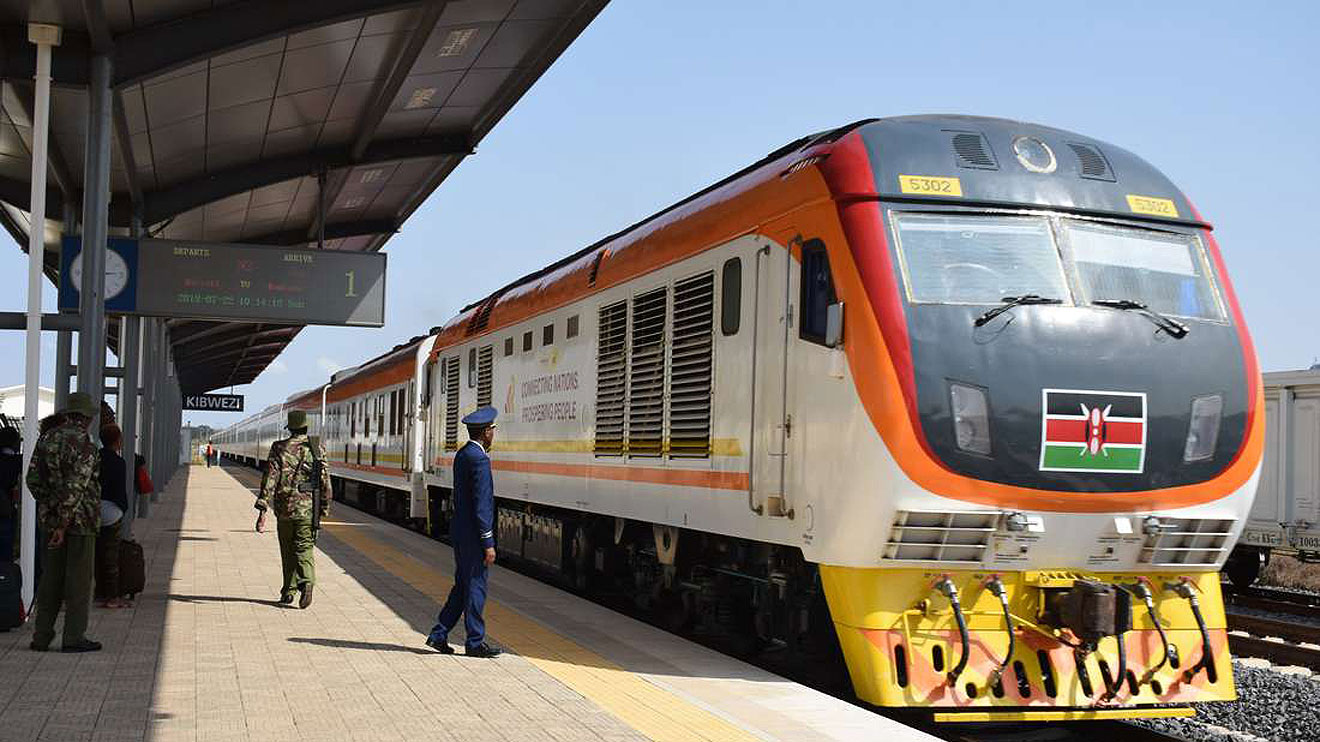
Turkish firm Yapi Merkezi Holdings is in talks with Kenya to electrify the Standard Gauge Railway Line.
As reported by Bloomberg, the firm is keen on the deal, given that it is undertaking the construction of the railway line in Uganda and wants to enable seamless linkage.
The upgrade would align Kenya’s network with the Ksh414 billion electric railway the firm is building from the border to Kampala.
Vice Chairman Erdem Arıoğlu said electrification could cut operating costs by up to a third, making the railway more viable.
The project to upgrade the Kenyan line is estimated at about Ksh129 billion (USD 1 billion), depending on the electric trains procured. Yapı Merkezi had offered to help arrange financing.
The project targets the line from Mombasa to Naivasha and its extension to Malaba.
It aims to boost cargo movement, strengthen Mombasa’s role as a regional trade hub, and improve links for landlocked countries using the corridor.
The Kenya Revenue Authority has launched a crackdown on small traders who frequently change mobile money paybills and till numbers to evade taxes.
As reported by the Business Daily, acting Commissioner-General Lilian Nyawanda said the authority has detected widespread cases of traders switching payment channels to avoid consistent transaction trails.
However, she warned that the tactic no longer shields them from scrutiny.
KRA is relying on its electronic tax invoice management system (eTIMS) to track transactions by matching records between buyers and sellers.
Since every mobile money payment involves two parties, the system can flag discrepancies when traders report little or no income despite active transactions.
The move is part of efforts to widen the tax base, especially within the informal sector, which remains largely undertaxed.
Traders sourcing goods from compliant suppliers risk exposure if their purchases are recorded but not matched with declared sales.
Businesses earning above Ksh5 million must also register for VAT at 16%, while those with a turnover between Ksh1 million and Ksh25 million pay a 1.5% Turnover Tax. However, there is a proposal to have all businesses, including kiosks, in the country register for VAT.
East African countries are considering building a joint oil refinery at Tanzania’s port city of Tanga, in a move aimed at reducing the region’s heavy reliance on imported fuel.
President William Ruto said the proposed refinery would be modelled after the massive facility developed by Aliko Dangote in Nigeria.
As reported by Reuters, the planned refinery is expected to process crude oil from across the region, including supplies from the Democratic Republic of the Congo, Kenya, South Sudan, and Uganda, positioning it as a key energy hub for East Africa.
Currently, East African nations import all refined petroleum products, largely from the Middle East, exposing them to global supply shocks and price volatility.
Dangote indicated he is ready to replicate his 650,000-barrel-per-day refinery in the region, but only if governments provide sufficient support and alignment. He noted that, if agreements are reached, construction could be completed within four to five years.
Meanwhile, Uganda in 2024 signed a deal with UAE-based Alpha MBM Investments to develop a 60,000-barrel-per-day refinery as it prepares to begin commercial oil production.
As reported by Citizen Digital, Kenya is expected to invest in the Ksh500 billion facility being set up in Uganda.
The Kenya Private Sector Alliance is proposing tax cuts for workers earning above Ksh500,000 monthly, seeking to cap the top PAYE rate at 30% and raise personal relief to Ksh3,000 from Ksh2,400.
In submissions to the National Assembly Finance Committee, KEPSA said the changes could inject Ksh28.1 billion into workers’ pockets, potentially driving Ksh42 billion in GDP growth and creating up to 36,000 jobs.
As reported by the Business Daily, the proposal targets higher PAYE bands introduced under the Finance Act 2023, which imposed rates of up to 35% on top earners.
The Kenya Bankers Association has also backed a 30% cap, aligning with the National Tax Policy 2023.
Treasury CS John Mbadi had earlier proposed relief for low-income earners with a proposal to make the first Ksh30,000 of a salary income tax-free. The proposal will be included in the Finance Bill 2026.
Prices of imported second-hand cars have surged by up to Ksh429,000 following disputed duty calculations by the KRA, forcing buyers to pay more.
A 2019 Honda Insight (1500cc) now averages Ksh2.6 million, up from Ksh2.2 million, after duty rose to Ksh791,000 from Ksh362,000.
As reported by the Business Daily, a 2019 Nissan Note (1200cc) now costs Ksh1.4 million, with taxes increasing by Ksh210,000 to Ksh448,000.
Dealers say the new tax computations lack transparency, especially for models not listed in the 2019 Current Retail Selling Price (CRSP) schedule. This has slowed sales and increased costs.
According to the Kenya Auto Bazaar Association, smaller engine cars are most affected. Prices for a 2019 Toyota Raize and Nissan Dayz have also risen sharply.
A court order bars KRA from enforcing a new CRSP list, but dealers say alternative pricing methods are still raising duties. Taxes include import duty (35%), excise (20–35%), VAT (16%), plus additional levies.
The National Treasury has revoked Kenya Pipeline Company’s status as a State-Owned Enterprise following its privatisation.
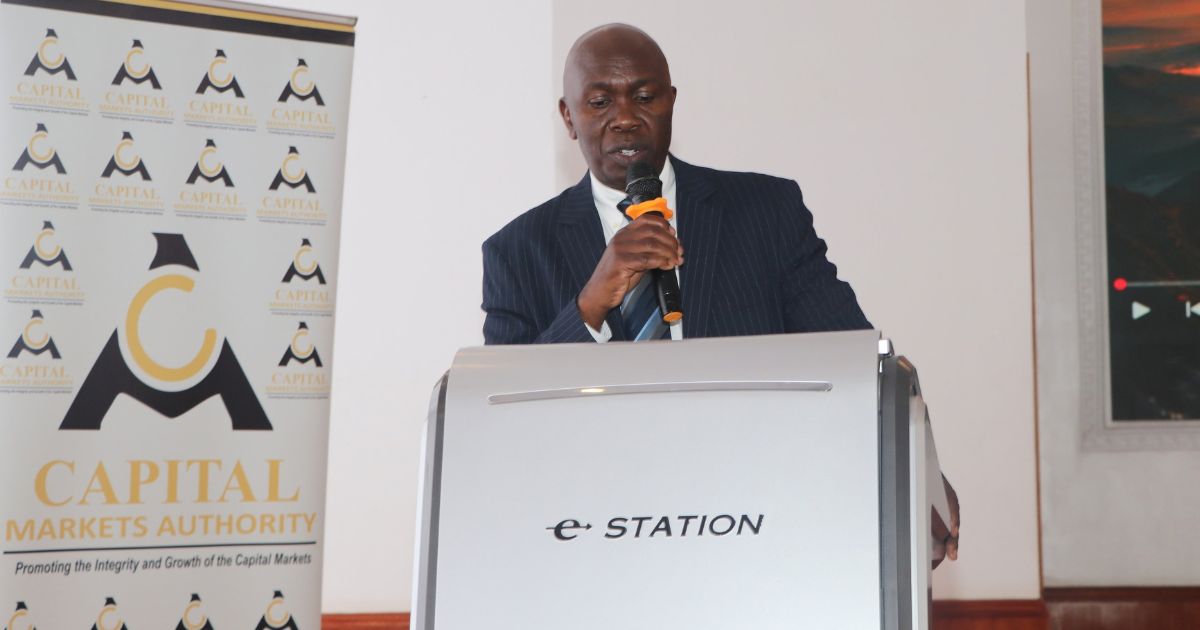
As reported by Capital Business, a Kenya Gazette notice dated April 22, 2026, confirms the move after the government sold a 65% stake via an IPO, retaining 35%. The government raised Ksh112 billion through the IPO.
KPC was listed on the Nairobi Securities Exchange Main Investment Market Segment on March 10, 2026, transitioning into a publicly traded firm with reduced state control.
The revocation removes KPC from state corporation oversight under the Public Finance Management Act. The privatisation was conducted under the Privatisation Act, 2025, and Capital Markets regulations.
KPC will now operate under private-sector governance and shareholder oversight.
The Central Bank of Kenya has launched a Ksh90 billion May borrowing programme, featuring an Ksh80 billion triple-tranche bond reopening and a Ksh10 billion switch auction.
The 6 May bond auction spans three papers with maturities of 6.6 to 20.1 years, marking the largest reopening this fiscal year after February’s Ksh100 billion offer. Domestic debt has risen from Ksh6.31 trillion to about Ksh7.08 trillion by March 2026.
The switch auction on 18 May targets FXD1/2017/010 maturing July 2027, offering a higher 13.444% coupon versus 12.966%, giving investors a 48 basis point gain.
As reported by the Kenyan Wall Street, net bond borrowing has reached Ksh767.75 billion, leaving about Ksh118 billion to meet the Ksh885.9 billion target.
The International Monetary Fund projects Kenya’s debt-to-GDP at 71.6% in 2026, above the 55% threshold.
Kenyans could soon renew certificates of good conduct faster and at a lower cost under a proposed amendment to the National Police Service Act.
As reported by Eastleigh Voice, the Bill, reviewed by the National Assembly Security Committee, seeks to allow the reuse of biometric data, eliminating repeated fingerprint submissions and enabling fully online applications.
Sponsor John Makali said the proposal aligns with digital transformation and will reduce congestion at the Directorate of Criminal Investigations offices and Huduma Centres. The DCI processes about one million certificates annually, contributing to delays.
The framework requires a secure biometric database to support renewals, benefiting job seekers and Kenyans abroad.
Lawmakers backed the proposal, noting ongoing upgrades to a Ksh2.71 billion biometric system, though a Ksh1.57 billion funding gap remains.
Ethiopia is constructing a Ksh1.6 trillion(USD12.5 billion) Bishoftu International Airport to transform regional air travel and reduce reliance on hubs outside Africa.
Located near Addis Ababa, the airport is set to open in 2030 with capacity for 60 million passengers annually, expandable to 110 million.
As reported by CNN, the project is led by Ethiopian Airlines, which will fund 30%. The project aims to position Ethiopia as a key aviation hub, supporting cargo growth and the African Continental Free Trade Area.
Construction has displaced over 15,000 people, with Ksh45 billion ($350 million) allocated for resettlement, though disputes remain.
.png)


Join 1.5M Kenyans using Money254 to find better loans, savings accounts, and money tips today.


Money 254 is a new platform focused on helping you make more out of the money you have. We've created a simple, fast and secure way to find and compare financial products that best match your needs. All of the information shown is from products available at established financial institutions that our team of experts has tirelessly collected.