News and Analysis
September 25, 2026


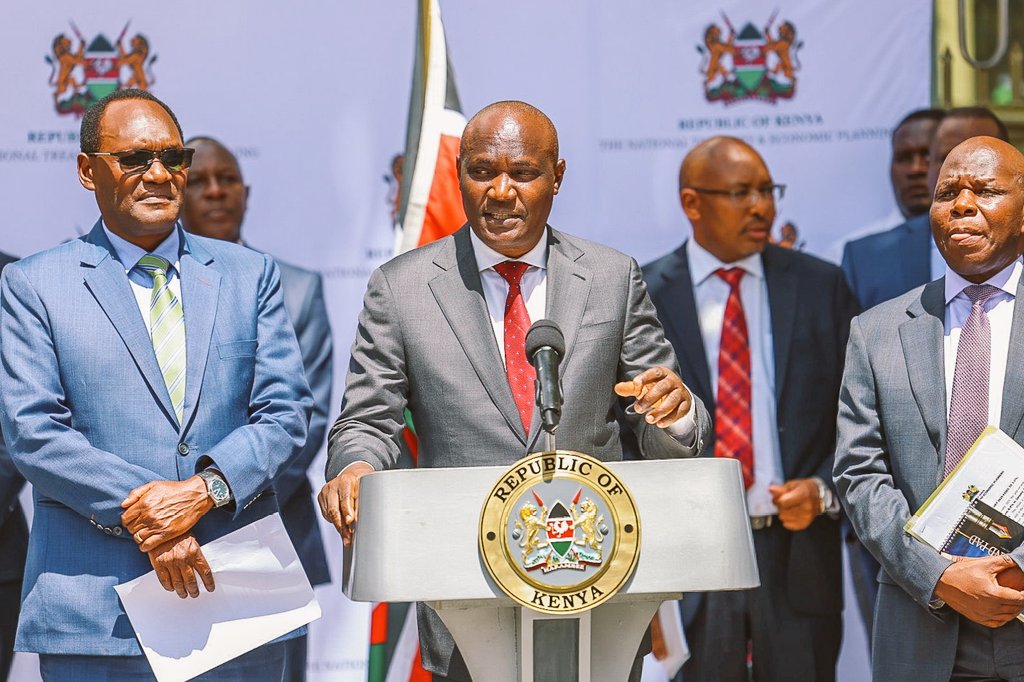
Welcome to the Money News Roundup. In today’s edition, we break down how the Treasury breached the law by borrowing to pay salaries and debt, and why millers are warning of higher wheat prices.
The National Treasury borrowed Ksh207.7 billion to pay salaries, debt repayments and other recurrent expenditure in the year ended June, despite a legal requirement that government borrowing should mainly fund development projects.
As reported by the Business Daily, draft Treasury documents show the government borrowed Ksh983.7 billion in the 2025/26 financial year, with Ksh776 billion used for development and Ksh207.7 billion for recurrent spending.
This means 21.1% of borrowed funds went to the ordinary running of government rather than long-term assets such as roads, schools and hospitals.
Treasury acknowledged the breach of the Public Finance Management Act and promised future compliance. The government has reduced the share of borrowing used for recurrent spending from Ksh415.7 billion in 2023/24 to Ksh250.4 billion in 2024/25.
However, recurrent expenditure still rose to nearly Ksh3.29 trillion, driven largely by debt-servicing costs.
The Cereal Millers Association (CMA) has warned that delays in releasing C60 wheat import approvals could increase the cost of wheat flour, bread, chapatis and other wheat products.
As reported by Capital Business, C60 permits allow approved millers to import wheat under the Duty Remission Scheme. The association said delayed approvals are raising demurrage, storage and financing costs as consignments remain uncleared.
Kenya imports about 95% of its wheat, making it highly exposed to global supply disruptions. CMA members have agreed to buy local wheat at Ksh5,100 per 90kg bag, up from Ksh4,750, but say outstanding import approvals are still pending.
Pension fund returns in Kenya fell to 18.2% in the 12 months to June 2026 from 29.4% a year earlier, according to a survey by Zamara.
As reported by the Business Daily, the decline was mainly driven by weaker fixed-income performance, as lower interest rates reduced gains from government bonds and other fixed-income assets.
Average fixed-income returns dropped to 12% from 27.3%, while equity returns improved to 61.2% from 50.3%. Zamara said pension schemes lost some of the capital gains that had boosted returns in 2025 after bond yields started rising again.
The survey covered 402 schemes managing Ksh1.508 trillion. Data from the Retirement Benefits Authority shows that pension funds still hold about 74% of their Ksh2.83 trillion in fixed-income investments, making bond performance the biggest driver of overall returns.
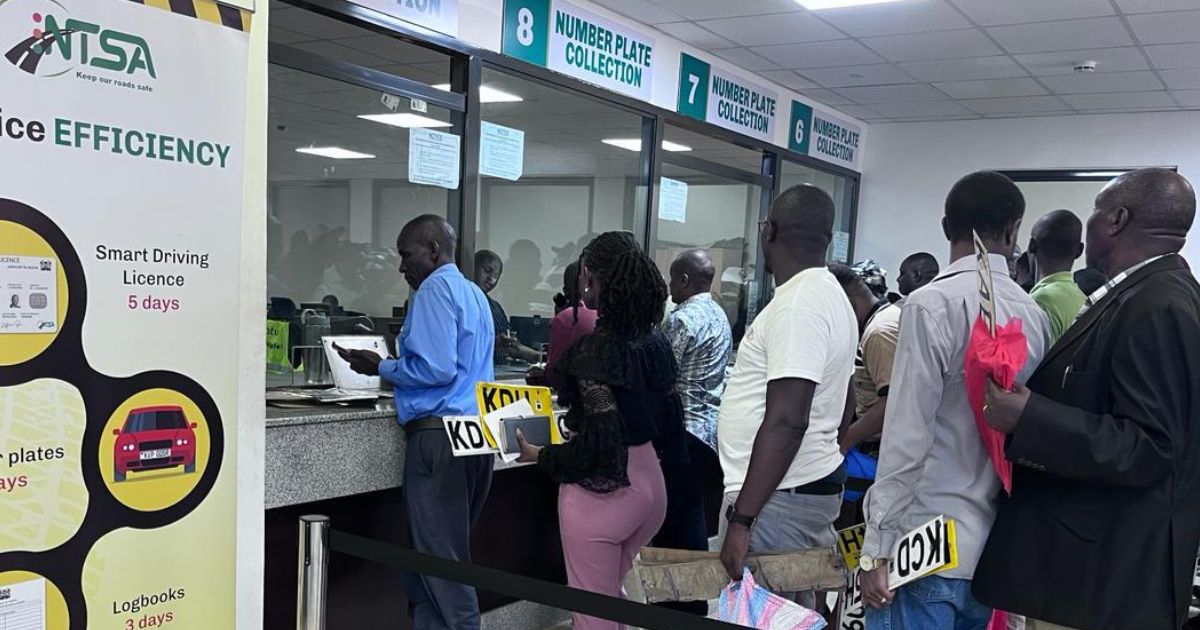
The High Court has ruled that physical motor vehicle logbooks will remain valid while a petition challenging NTSA’s electronic logbook system is heard.
As reported by the Star, Justice Patricia Mande restrained NTSA and other respondents from permanently discontinuing existing physical certificates of registration.
Petitioners Javan Onyango and Emmanuel Kiplagat argued the e-Logbook was introduced without adequate public participation and raised concerns over privacy, cybersecurity, digital exclusion and the legality of related charges.
NTSA maintained the system is an administrative upgrade of the electronic register that has existed since 2014 under the Traffic Act. The court declined to suspend the e-Logbook programme itself, allowing NTSA to continue operating the electronic system while preserving the validity of existing physical logbooks.
CBK has kept the benchmark interest rate at 8.75% for a fourth consecutive meeting, saying it wants to keep inflation expectations anchored and the exchange rate stable.
As reported by Bloomberg, Governor Kamau Thugge warned that inflation could breach the 2.5%-7.5% target range if the US-Iran conflict persists and global oil prices remain elevated.
Consumer inflation rose to 6.5% in July from 6.4% in June, driven by higher fuel, food and transport costs. Core inflation also increased to 3.2%.
CBK said the shilling remains stable, supported by record foreign-exchange reserves, while private sector credit grew 10.2% and non-performing loans fell to 14.6% from 15.4% in April.
The Social Health Authority (SHA) has recovered Ksh278 million from health facilities implicated in fraudulent claims.
As reported by Nation, SHA Chief Executive Officer Mercy Mwangangi said the money came from hospitals that admitted wrongdoing and agreed to refund the funds.
She said some cases are under investigation by the DCI, others are being handled internally by SHA, while additional cases are before the Office of the Director of Public Prosecutions through alternative dispute resolution.
Separately, Digital Health Authority CEO Anthony Lenaiyara dismissed claims that the SHA system costs Ksh104 billion, saying SHA systems account for only two of 43 digital health systems. He said the broader cost covers infrastructure, data centres, registries and the Afya Yangu virtual health file.
Tanzania has introduced a new rule requiring individuals and businesses that sell goods or services through social media to publicly display either their Tax Identification Number (TIN) or a valid Tax Clearance Certificate on their social media profile.
As reported by the Citizen, the requirement is contained in the Tax Administration (General) (Amendment) Regulations, 2026, published on June 30, 2026.
Under the regulations, the TIN or Tax Clearance Certificate must be displayed in a clearly visible manner on the social media account to facilitate inspection and enforcement by tax authorities.
.png)


Join 1.5M Kenyans using Money254 to find better loans, savings accounts, and money tips today.


Money 254 is a new platform focused on helping you make more out of the money you have. We've created a simple, fast and secure way to find and compare financial products that best match your needs. All of the information shown is from products available at established financial institutions that our team of experts has tirelessly collected.




.jpeg)

.jpg)