News and Analysis
September 30, 2026


Welcome to the Money News Roundup. Today, we cover the government's renewed promise to reduce PAYE for salaried Kenyans. We also look at why the World Bank has added Ksh588 billion to Kenya's debt stock.
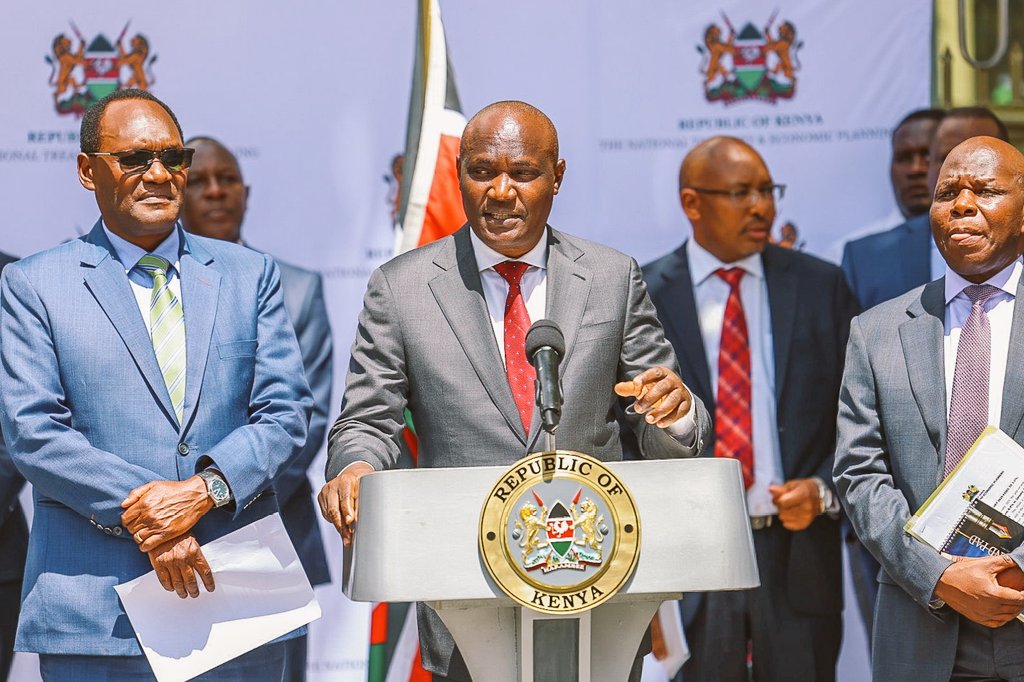
Treasury CS John Mbadi has revealed that his office will now officially commence work on the proposal to reduce Pay As You Earn (PAYE) tax bands after the Finance Act 2026 took effect without the promised reforms.
Speaking on Citizen TV, Mbadi said that the National Treasury had already received several suggestions from stakeholders apart from the government’s initial proposal to make the first Ksh30,000 of a salary tax-free.
He revealed that some stakeholders had also proposed a uniform 5% reduction across all the tax bands.
According to Mbadi, all these proposals will now undergo public participation before a bill introducing the changes is taken to Parliament.
The proposal on the PAYE changes was initially expected to be tabled in February 2026 before being pushed to the 2026 Finance Bill.
However, when the bill was published, the proposals were missing.
The World Bank has added an extra Ksh588 billion to Kenya's public debt by including securitised revenues and verified pending bills that were previously excluded from the government's official debt figures.
As reported by the Business Daily, Kenya's official public debt stood at Ksh12.83 trillion at the end of March, comprising Ksh7.14 trillion in domestic debt and Ksh5.68 trillion in external debt. With the addition of the Ksh588 billion, the debt stock rises to about Ksh13.4 trillion.
The additional Ksh588 billion comprises Ksh383 billion raised through securitised future revenue streams and Ksh205 billion in verified but unpaid pending bills.
The lender says these obligations should be counted as public debt under international reporting standards. The move also aligns with the IMF, which has urged Kenya to broaden its definition of public debt to include liabilities beyond Treasury bills, bonds and conventional loans.
The National Treasury, however, disputes the classification, arguing that funds raised through special purpose vehicles (SPVs) should not be treated as sovereign debt because the government transfers the revenue rights to independent entities.
NSE has appointed Tom Mulwa as its new Board Chairman, effective July 13, 2026, succeeding Kiprono Kittony, whose six-year term ends on July 12.
As announced in a statement, the leadership change follows a review of the Board's composition to strengthen governance and institutional oversight.
During Kittony's tenure, the NSE ended an 11-year IPO drought, introduced new products to boost retail investor participation, and launched its 2025–2029 strategy. The Exchange also emerged as one of Africa's top-performing bourses under his leadership.
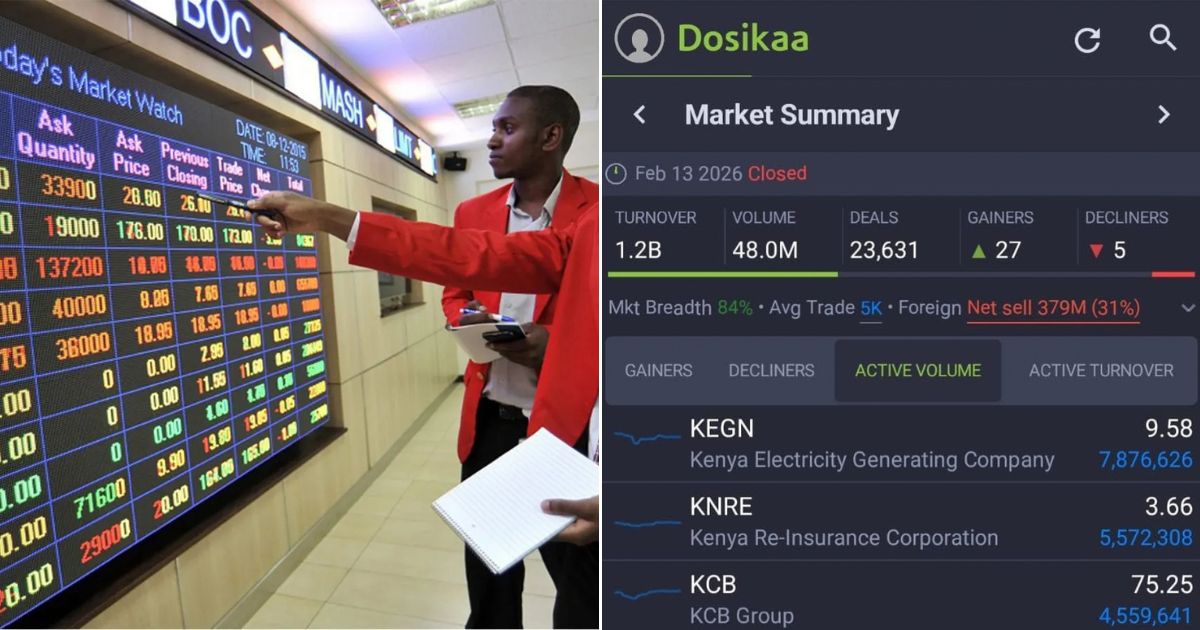
The NSE emerged as the best-performing investment in the first half of 2026, with market capitalisation rising 27.8% (Ksh817.2 billion) to a record Ksh3.76 trillion, driven by gains in banking stocks and Safaricom.
As reported by the Business Daily, in comparison, Treasury bonds offered annual returns of 12% to 14.2%, while Treasury bills yielded 7.4% to 9.2%. Bank fixed deposits returned an average 6.8% in May, down from 7.03% in December 2025.
Money market funds delivered between 5.2% and 13.8% annually.
The property market lagged, with rental and sale prices rising by up to 5.1% during the period amid weak demand.
The rally in equities was supported by higher dividends, new listings by Kenya Pipeline Company and Family Bank, and strong gains in major banking stocks.
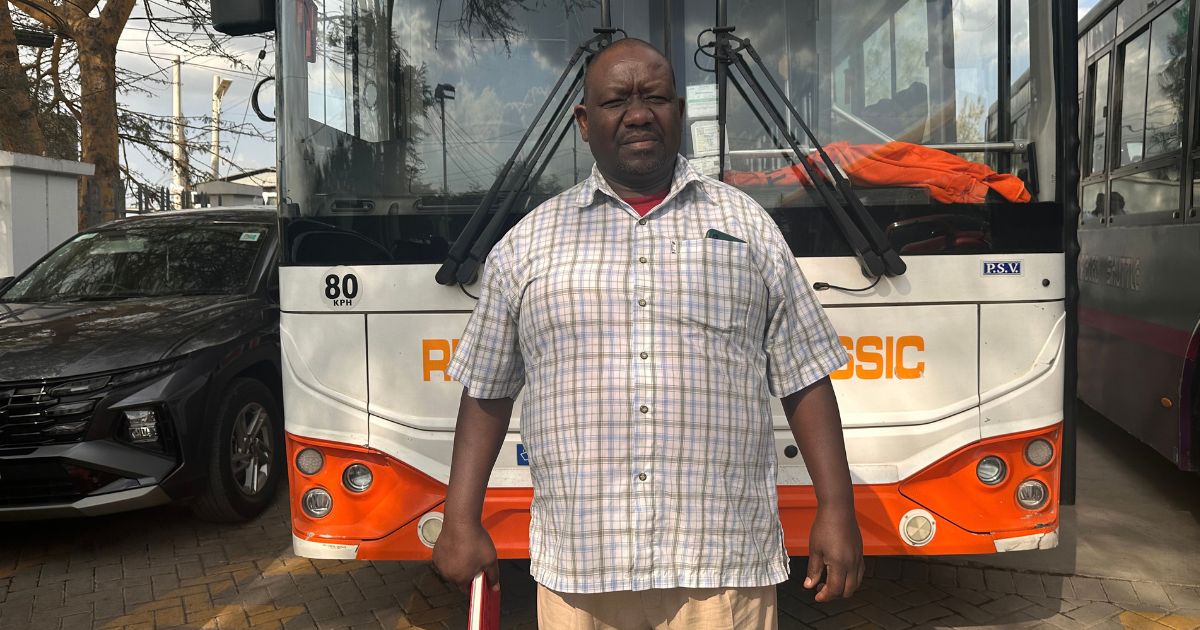
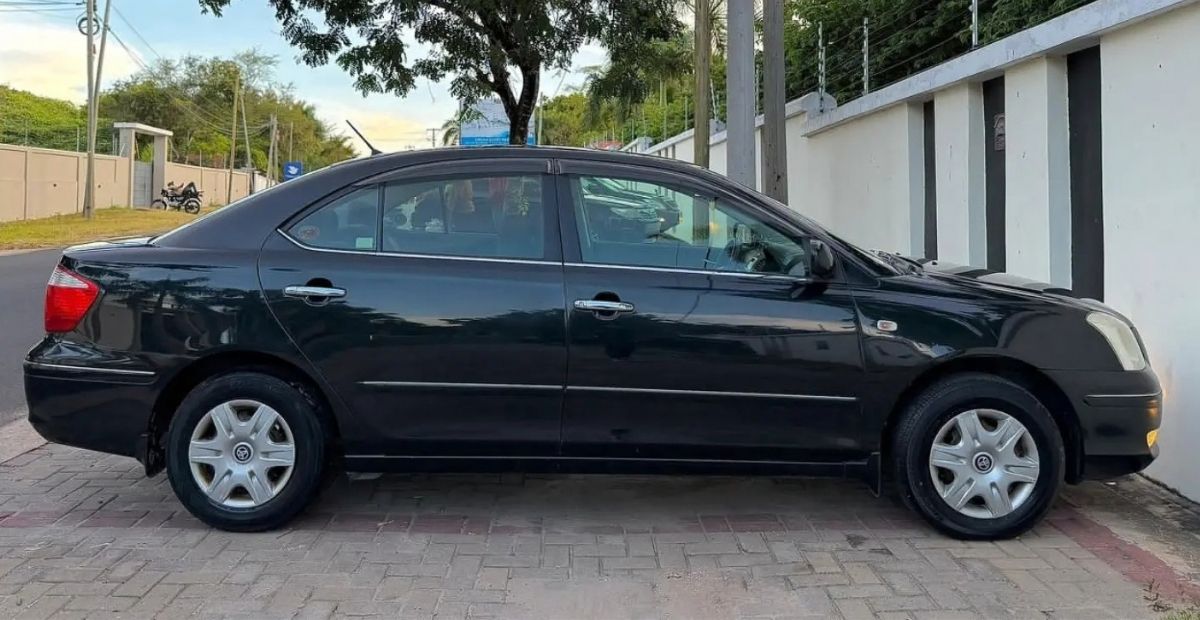
The High Court in Kiambu has suspended the enforcement of mandatory annual inspections for private vehicles pending the hearing of a petition challenging the new regulations.
As reported by the Star, Justice Francia Nyungu Kyambia halted the implementation of key provisions of the Traffic (Motor Vehicle Inspection) Rules, 2026, including the NTSA directive requiring annual inspections for private vehicles older than four years.
The conservatory orders will remain in force until June 22, 2027. The regulations required qualifying vehicles to undergo annual roadworthiness inspections, with penalties for motorists who failed to comply or attempted to circumvent the inspection process.
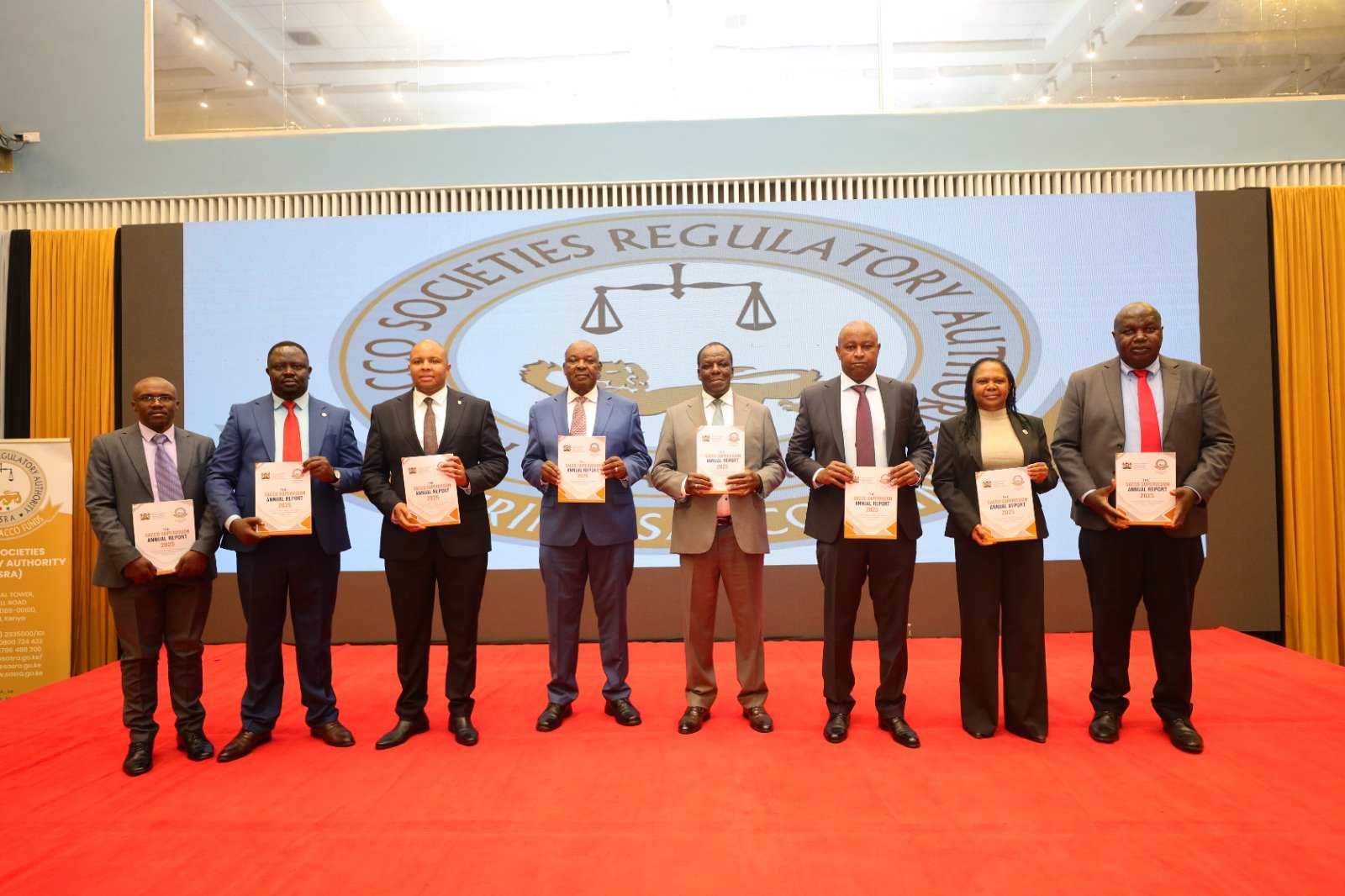
MPs have opposed a proposal to cap compensation for SACCO depositors at Ksh100,000 if a SACCO collapses, arguing it could expose members with larger savings to heavy losses.
As reported by Capital Business, during deliberations on the Sacco Societies (Amendment) Bill, 2025, lawmakers urged consideration of a higher limit, with some proposing Ksh500,000 to match bank deposit protection.
SASRA told the committee the Bill aims to strengthen depositor protection while keeping credit affordable. It also proposes allowing SACCOs to share technology platforms to reduce costs and improve operational efficiency.
Olympia Capital Holdings posted a 40.7% decline in full-year profit to Ksh10.45 million for the year ended February 2026, as lower revenue and higher finance costs weighed on earnings.
As reported by the Kenyan Wall Street, revenue fell 6.2% to Ksh428.75 million, while operating profit dropped 32.5% to Ksh30.97 million. Profit attributable to shareholders plunged 76.8% to Ksh2.29 million.
Despite weaker earnings, total assets rose to a record Ksh1.95 billion, while shareholders' equity reached Ksh1.72 billion. However, cash balances declined 56.2% to Ksh49.47 million.
.png)


Join 1.5M Kenyans using Money254 to find better loans, savings accounts, and money tips today.


Money 254 is a new platform focused on helping you make more out of the money you have. We've created a simple, fast and secure way to find and compare financial products that best match your needs. All of the information shown is from products available at established financial institutions that our team of experts has tirelessly collected.




![CBK Approves 29 New Digital Lenders [LIST]](https://cdn.prod.website-files.com/6038c1030be2580db46ccf46/6abce37f51393f90d11dbea6_top%20image%20%2B%20Templates%20%20-%202026-09-30T132202.886.jpg)


![Kenya's Richest Saccos By their Assets [2026]](https://cdn.prod.website-files.com/6038c1030be2580db46ccf46/6aba762c2657302fef3a5739_top%20image%20%2B%20Templates%20%20-%202026-09-28T170726.154.jpg)

![You Have Ksh7 Million: Buy a Home in Cash or Rent and Invest? [The 10-Year Numbers]](https://cdn.prod.website-files.com/6038c1030be2580db46ccf46/6abbbdaf2080b24be31d8e0b_top%20image%20%2B%20Templates%20%20-%202026-09-29T162813.614.jpg)