News and Analysis
September 29, 2026


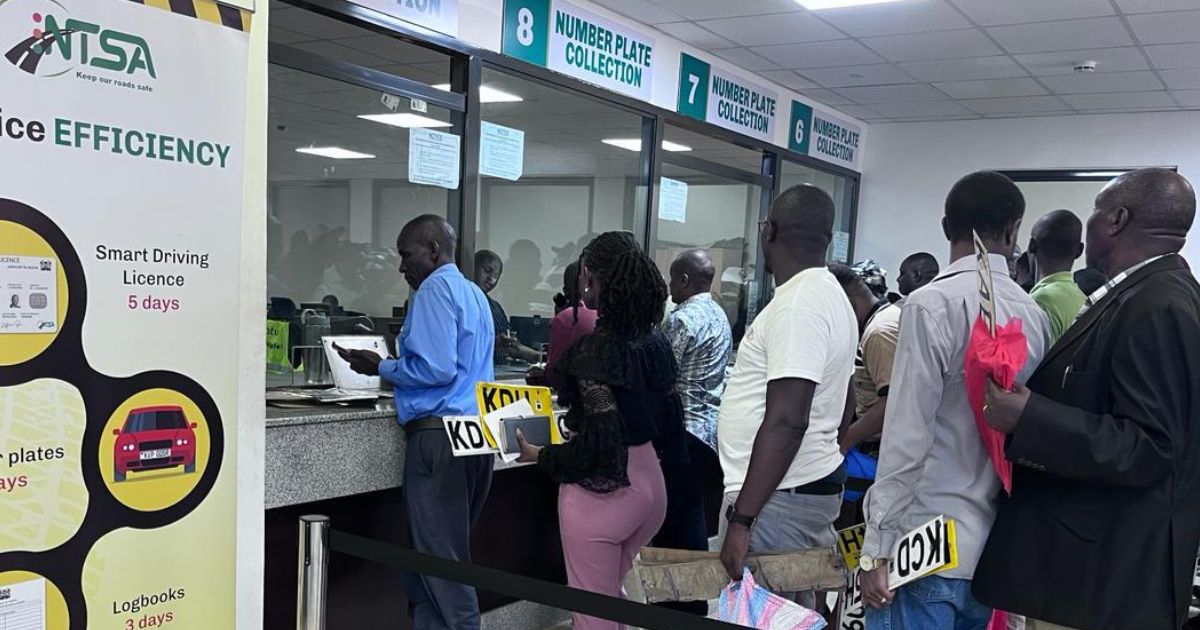
NTSA officially operationalised the Traffic (Motor Vehicle Inspection) Rules, 2026, on July 1, introducing mandatory vehicle inspections.
While the mandatory inspection of private vehicles has been temporarily suspended, NTSA says the inspections will, upon implementation, be aimed at determining the roadworthiness of vehicles.
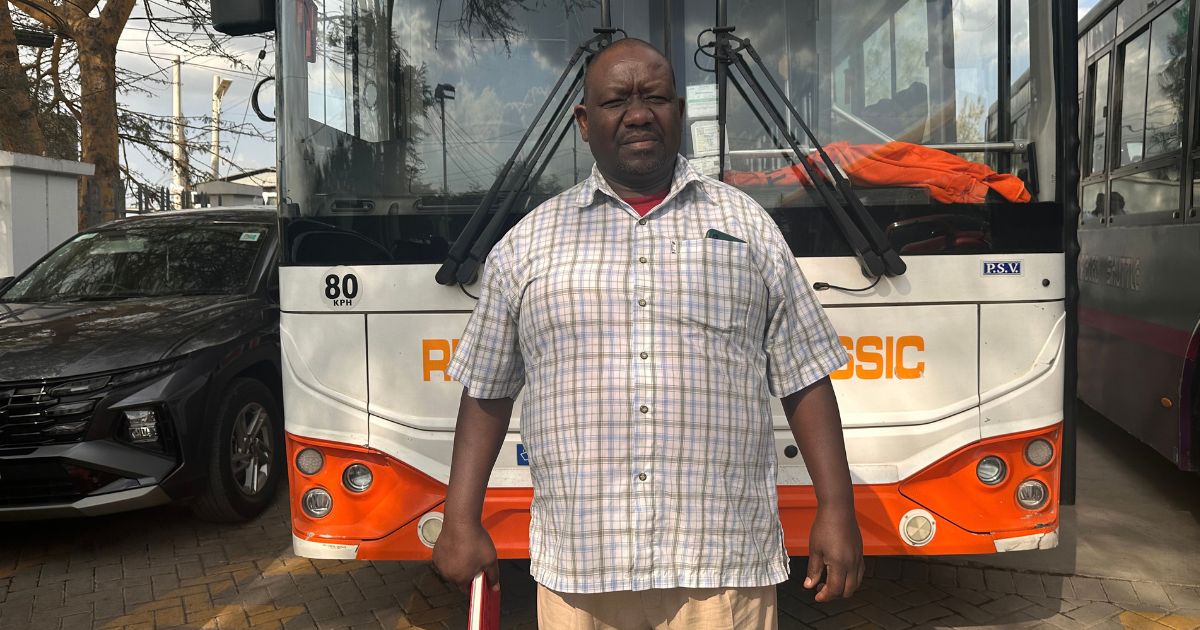
For now, the exercise applies to PSVs and commercial vehicles, which must undergo inspection every year.
Here is what inspectors will be checking.
Also Read: NTSA Explains Why Instant Fines Are Being Paid Through a Different System
The inspection begins with a data verification exercise. Officers will confirm that the vehicle's chassis number matches the details captured in NTSA's records.
This step is intended to detect inconsistencies in vehicle registration records and identify vehicles that may have been tampered with or stolen.
After verifying the chassis number, inspectors will examine the vehicle's physical characteristics, including its colour and weight.
According to NTSA, the colour of the vehicle presented for inspection must match the details in its database.
Any change in a vehicle's particulars, including its colour, will also require an inspection.
"Any motor vehicle that undergoes any change in its length, height, width, maximum payload, colour, engine or any other structural or mechanical change shall undergo an inspection test by the Authority after the change," the rules state in part.
Also Read: All Car Owners to Pay Ksh2,000 for NTSA’s New Mandatory Inspections
Inspectors will examine the vehicle's braking system to determine whether the brakes are functioning effectively.
The inspection will also assess the vehicle's suspension for excessive wear or damage.
Inspectors will further examine the vehicle's lighting system to ensure the headlights are properly aligned and that any additional lights comply with the required standards.
For instance, the right-side headlight should be dimmer than the left-side headlight to avoid blinding oncoming motorists at night. Non-compliant lighting modifications could result in a failed inspection.
Vehicles will also undergo emissions testing to determine whether they are producing excessive exhaust emissions.
The test is intended to identify vehicles that contribute significantly to air pollution due to poor engine performance.
Also Read: I Bought a 2016 Toyota Auris for Ksh1.4M, Here's Why I'd Recommend It
Commercial vehicles will face additional safety checks. Inspectors will verify that reflective strips are correctly fitted around the vehicle and that the yellow reflective material meets the required quality standards.
The reflective markings are intended to improve visibility at night, particularly when a vehicle has broken down or is parked along the roadside.
The mandatory inspection will cost motorists Ksh2,000 per vehicle.
Vehicles that successfully meet all inspection requirements will receive an official inspection sticker as proof that they are roadworthy.
If a motor vehicle fails an inspection test, the owner must repair all defects listed in the inspection report before presenting the vehicle for re-inspection.
If the vehicle is returned to the same inspection centre within 14 days of the failed inspection, the re-inspection will be conducted free of charge.
However, if the vehicle is presented for re-inspection after 14 days or at a different inspection centre, the owner will be required to pay the re-inspection fee.
A vehicle that has failed an inspection must not be driven on public roads except when being taken for repairs.
.png)


Join 1.5M Kenyans using Money254 to find better loans, savings accounts, and money tips today.


Money 254 is a new platform focused on helping you make more out of the money you have. We've created a simple, fast and secure way to find and compare financial products that best match your needs. All of the information shown is from products available at established financial institutions that our team of experts has tirelessly collected.




![Kenya's Richest Saccos By their Assets [2026]](https://cdn.prod.website-files.com/6038c1030be2580db46ccf46/6aba762c2657302fef3a5739_top%20image%20%2B%20Templates%20%20-%202026-09-28T170726.154.jpg)

.jpeg)

![You Have Ksh7 Million: Buy a Home in Cash or Rent and Invest? [The 10-Year Numbers]](https://cdn.prod.website-files.com/6038c1030be2580db46ccf46/6abbbdaf2080b24be31d8e0b_top%20image%20%2B%20Templates%20%20-%202026-09-29T162813.614.jpg)