News and Analysis
October 15, 2026


Hello and welcome to the Money News Roundup Newsletter, where we are covering new proposals to increase tax-free pay to Ksh40,000. We also cover the Ksh502 billion extension from Naivasha to Malaba.
The Kenya Union of Savings and Credit Cooperatives (KUSCCO) has urged the government to ease payroll taxes, warning that rising deductions and inflation have significantly reduced workers’ disposable income.
According to Eastleigh Voice, in proposals submitted to the Treasury alongside the Kenya Bankers Association (KBA), KUSCCO is pushing for an overhaul of the Pay As You Earn (PAYE) system, including raising the tax-free income threshold to Ksh40,000 and capping the top tax rate at 30 per cent.
KUSCCO argues that the current tax structure has failed to keep pace with the cost of living, hitting low- and middle-income earners hardest.
Data from KNBS shows average real monthly wages fell by Ksh6,805 between 2020 and 2024, worsened by new housing, health, and pension deductions.
The cooperative body says higher take-home pay would reduce loan defaults, revive SACCO activity, and boost consumer spending, ultimately increasing government revenue through indirect taxes.
Previously, Treasury CS John Mbadi had stated that the review of the PAYE tax bands was intended to be undertaken through the Finance Bill 2025. However, the plans were shelved.
At the time, he highlighted that Treasury had failed to meet its revenue targets, hence the need to push the proposal to the Finance Bill 2026.
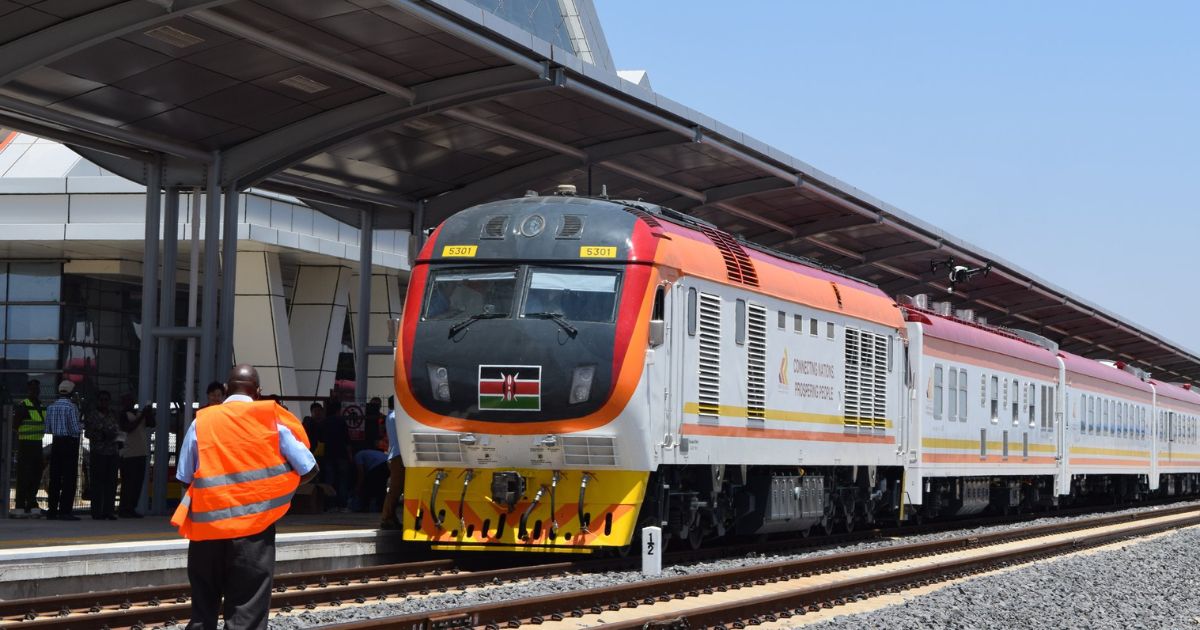
The planned extension of the Standard Gauge Railway (SGR) from Naivasha to Malaba is expected to cost Ksh502.9 billion, according to a new Treasury report, with the government set to contribute Ksh47.55 billion largely towards land acquisition.
The State hopes to raise the bulk of the financing—about Ksh455.35 billion—from foreign investors, though no financiers have been disclosed.
As reported by Business Daily, similar past arrangements show government funds mainly cover compensation for affected landowners. Officials say feasibility studies and route mapping are complete, with land identification already underway.
The Treasury notes that Ksh454 million has already been spent from a Ksh709 million allocation approved in the previous budget cycle. The National Land Commission has prioritised public land to reduce costs, following past compensation controversies along the Mombasa–Nairobi SGR.
The extension, stalled earlier due to financing challenges after China pulled back, is a priority for President William Ruto, who is exploring bonds, public-private partnerships, and securitisation backed by the Rail Development Levy to fund the project and improve cargo movement along the Northern Corridor.
All regulated SACCOs have until March 15, 2026, to submit their audited 2025 financial statements, the Sacco Societies Regulatory Authority (SASRA) has announced.
In a notice issued last Friday, SASRA said the deadline is meant to allow approval of the statements by March 31, in line with Section 41 of the Sacco Societies Act. SACCOs are required to submit audited accounts within three months after the close of each financial year before holding Annual General Meetings (AGMs).
As noted by Eastleigh Voice, failure to comply could attract penalties including fines, removal of officials, or closure. SASRA noted that AGMs must present audited books to safeguard transparency and member interests.
To boost accountability, CEOs and finance heads must now sign off on audited statements alongside board officials. The directive comes amid rapid sector growth, with regulated SACCO assets rising to Ksh1.08 trillion and membership reaching 7.4 million by December 2024.
Kenyan motorists who drive Toyota, Nissan, or Mazda vehicles are increasingly at risk of buying counterfeit spare parts, a problem that experts warn is draining wallets and compromising road safety.
Automotive specialists say the three brands dominate the fake parts market due to their widespread use and high demand for replacements.
As reported by Kenyans.co.ke, unsuspecting drivers can lose up to Ksh100,000 a year after repeatedly replacing substandard components that fail prematurely.
Some of the most counterfeit parts are shock absorbers and engine components, and they pose serious safety risks by affecting vehicle stability. Commercial drivers are the most affected as they opt for cheap, short-term fixes.
Motorists are advised to verify dealers and ensure parts are certified to avoid costly repeat repairs and accidents.
Plans by the government to sell 15 per cent of its stake in Safaricom will be subjected to public scrutiny from Tuesday, as Parliament begins hearings on the proposed partial divestiture of the telecoms firm.
The Finance and National Planning Committee and the Public Debt and Privatisation Committee will conduct public participation sessions in Kiambu County until January 21 before submitting a report to the House.
As reported by the Standard, key stakeholders, including Safaricom, rival telcos, professional bodies, civil society groups, and private sector associations, are scheduled to present their views.
National Assembly Speaker Moses Wetang’ula said the early sittings would allow thorough consultation, given Safaricom’s status as a listed, government-linked firm.
The proposed sale of 6.01 billion shares is expected to raise about Ksh240 billion and increase Vodafone Kenya’s stake to 55 per cent, while the State retains 20 per cent. Treasury CS John Mbadi said the deal would bring in around Ksh240 billion, including an upfront Ksh40.2 billion payment, though some MPs have criticised the valuation.
A UNCTAD report on FDI inflows to the Comesa region shows Egypt leading with the highest investments in 2024, attracting Ksh6.06 trillion, over 70% of the region’s total Ksh8.5 trillion.
As reported by the Standard, the surge was driven by the Ras El-Hekma urban development project, boosting greenfield investment and project finance. Egypt recorded 145 greenfield projects, up from 140 in 2023, and led in International Project Finance, which rose 163% to Ksh8.97 trillion, though its cross-border M&A activity fell sharply by 89%.
In contrast, Kenya’s FDI inflows remained stagnant at Ksh195 billion in 2024, with greenfield projects dropping 19% to 69 and cross-border M&A activity halving to Ksh7.5 billion. Uganda, however, saw a 10% increase to Ksh429 billion, driven by a recovery in cross-border M&A despite a decline in the number and value of greenfield projects
Nigeria remains the largest buyer of Kenyan sisal, driven by strong construction activity in West Africa, according to the Agriculture and Food Authority (AFA).
In the quarter ending September 2025, Kenya earned Ksh1.24 billion from exporting 6,053.5 tonnes of sisal fibre, despite a 23.8 percent drop in export volumes and a 25.7 percent decline in export value compared to the same period in 2024.
AFA attributed the slowdown to drought conditions that reduced raw material supply, even as prices remained stable at between Ksh206.72 and Ksh211.05 per kilogramme.
According to the Business Daily, Nigeria imported 2,486.9 tonnes valued at Ksh491.14 million, followed by Morocco, Saudi Arabia, and China. Kenyan sisal reached 21 global markets during the period.
Kenya is the world’s third-largest sisal producer, after Brazil and Tanzania, with Taita Taveta accounting for 35 percent of the national output.
Kenya has delayed signing a trade agreement with China amid pressure from the United States, The Standard reports, citing sources familiar with the matter. The pact still requires approval from the cabinet, Parliament, and President William Ruto.
The hold-up comes as Nairobi seeks to renew its participation in the African Growth and Opportunity Act (AGOA), the US trade program that allowed Kenyan exports duty-free access for 25 years.
AGOA expired on September 30, 2025, and apparel exports worth over Ksh80 billion ($600 million) annually now face tariffs of up to 28 percent, putting more than 66,000 jobs at risk, particularly in textiles and agriculture.
The proposed China deal, which would remove tariffs on Kenyan tea, coffee, and avocados, was seen as a buffer. Kenya must now balance closer trade ties with China against preserving preferential access to the US market.
.png)


Join 1.5M Kenyans using Money254 to find better loans, savings accounts, and money tips today.


Money 254 is a new platform focused on helping you make more out of the money you have. We've created a simple, fast and secure way to find and compare financial products that best match your needs. All of the information shown is from products available at established financial institutions that our team of experts has tirelessly collected.





![Kenya's Richest Counties By Contribution to GDP [2026]](https://cdn.prod.website-files.com/6038c1030be2580db46ccf46/6acf79cc000d099ee32f507a_top%20image%20%2B%20Templates%20%20-%202026-10-14T154332.222.jpg)