News and Analysis
September 29, 2026


Welcome to the Money News Roundup. Today, we explain why the NTSA collects instant traffic fines through bank branches instead of eCitizen. We also cover Vodacom's completion of its purchase of an additional stake in Safaricom.
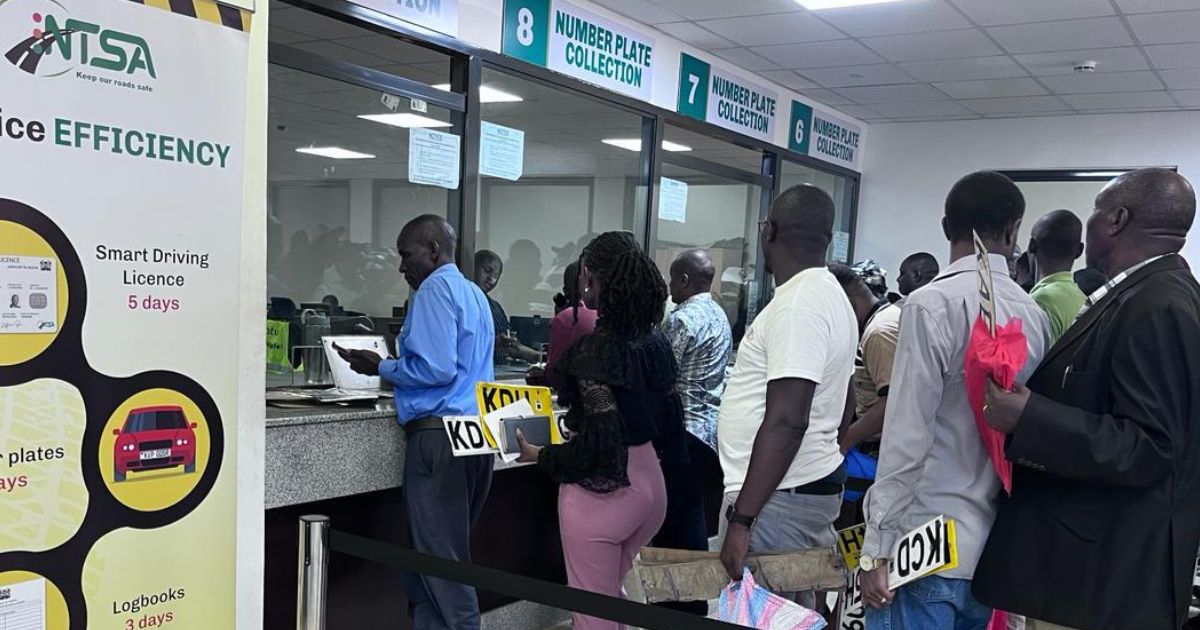
NTSA Director General Nashon Kondiwa has explained why the authority is not collecting instant fines through eCitizen in line with a government directive on consolidating public payments.
Kondiwa explained that they deliberately chose not to use eCitizen as the primary payment platform for instant traffic fines to protect motorists from fraud and SMS scams.
As reported by Citizen Digital, motorists are required to pay the fines physically at KCB branches or agents, where they can verify the payment reference before completing the transaction.
According to the NTSA boss, the authority introduced the additional verification step after identifying potential fraud risks associated with digital payment channels, particularly mobile money, and reports of SMS scams targeting motorists.
Motorists who receive an instant traffic fine will receive an official notification containing the vehicle registration number, the location of the offence, the traffic violation committed, and a payment reference that can be verified at a KCB branch or agent before payment.
The government will forgo about Ksh16.1 billion in Safaricom dividends after South Africa's Vodacom completed the purchase of an additional 15% stake in the telco ahead of the August 4 shareholder register closure.
As reported by the Business Daily, the Ksh244.5 billion transaction was completed after the Court of Appeal lifted orders that had delayed the sale and was executed as a block trade on the NSE, becoming the largest single transaction in the bourse's history.
The government's stake in Safaricom falls from 35% to 20%. Vodacom is also acquiring a further 5% stake from Vodafone, increasing its ownership to 55% and giving it majority control of the telecommunications company.
Together with the purchase of the Vodafone stake, the total transaction will rise to around Ksh271 billion.
According to Vodacom, each share was bought at Ksh34.
The Cabinet has ordered DCI to investigate suspected payroll fraud after an audit uncovered irregularities worth Ksh6.2 billion across 12 state departments.
As reported by Nation, according to the Cabinet, the audit exposed unauthorised alterations to payroll records, irregular payments, weak controls over statutory deductions and major oversight gaps.
The DCI has been tasked with verifying personal numbers used in payroll processing, dismantling criminal networks manipulating government payroll systems, recovering lost public funds and prosecuting those found responsible.
Cabinet also approved a government-wide payroll audit and directed all ministries, departments and state agencies to migrate to the revamped Integrated Human Resource and Payroll System.
Centum Investment Company PLC has sold a 60% stake in fund manager Nabo Capital Limited to Rock Investment Bank, reducing its shareholding to 40%.
As reported by the Kenyan Wall Street, the transaction changes Nabo’s status from a Centum subsidiary to an associate company as the investment firm brings in a strategic partner to support the fund manager’s next phase of growth.
Rock Investment Bank is expected to strengthen Nabo’s asset management, product development and distribution capabilities.
Centum said the sale aligns with its strategy of partnering with investors to scale portfolio companies while retaining minority stakes. The transaction value was not disclosed.
Telcos could soon be required to compensate subscribers for dropped calls, internet outages and other service interruptions under the proposed Kenya Information and Communications (Consumer Protection) Regulations, 2026.
As reported by Business Daily, regulations require telcos to establish a Communications Authority-approved compensation system, either automatic or claim-based, for outages not caused by subscribers.
If adopted, Kenya will join countries such as Nigeria, India and Colombia, where operators compensate customers for poor-quality service.
The proposed rules come amid persistent concerns over network quality, particularly affecting Airtel Kenya and Telkom Kenya subscribers.
Diageo has appointed John Musunga as its Managing Director for Africa, effective July 1, as it prepares to sell its 65% stake in EABL to Japan’s Asahi Group Holdings in a deal valued at about Ksh300 billion.
As reported by Capital Business, Musunga, who previously led Diageo’s South, West and Central Africa business, will relocate from London to Nairobi to oversee the company’s operations across the continent.
Meanwhile, Airtel Kenya has appointed Senegalese executive Djibril Tobe as its new Managing Director, succeeding Ashish Malhotra after four years in the role.
Tobe brings more than 20 years of experience in the telecommunications sector, having previously served as Managing Director of Airtel Congo Brazzaville and Airtel Chad, among other leadership positions across Africa. Read more.
.png)


Join 1.5M Kenyans using Money254 to find better loans, savings accounts, and money tips today.


Money 254 is a new platform focused on helping you make more out of the money you have. We've created a simple, fast and secure way to find and compare financial products that best match your needs. All of the information shown is from products available at established financial institutions that our team of experts has tirelessly collected.




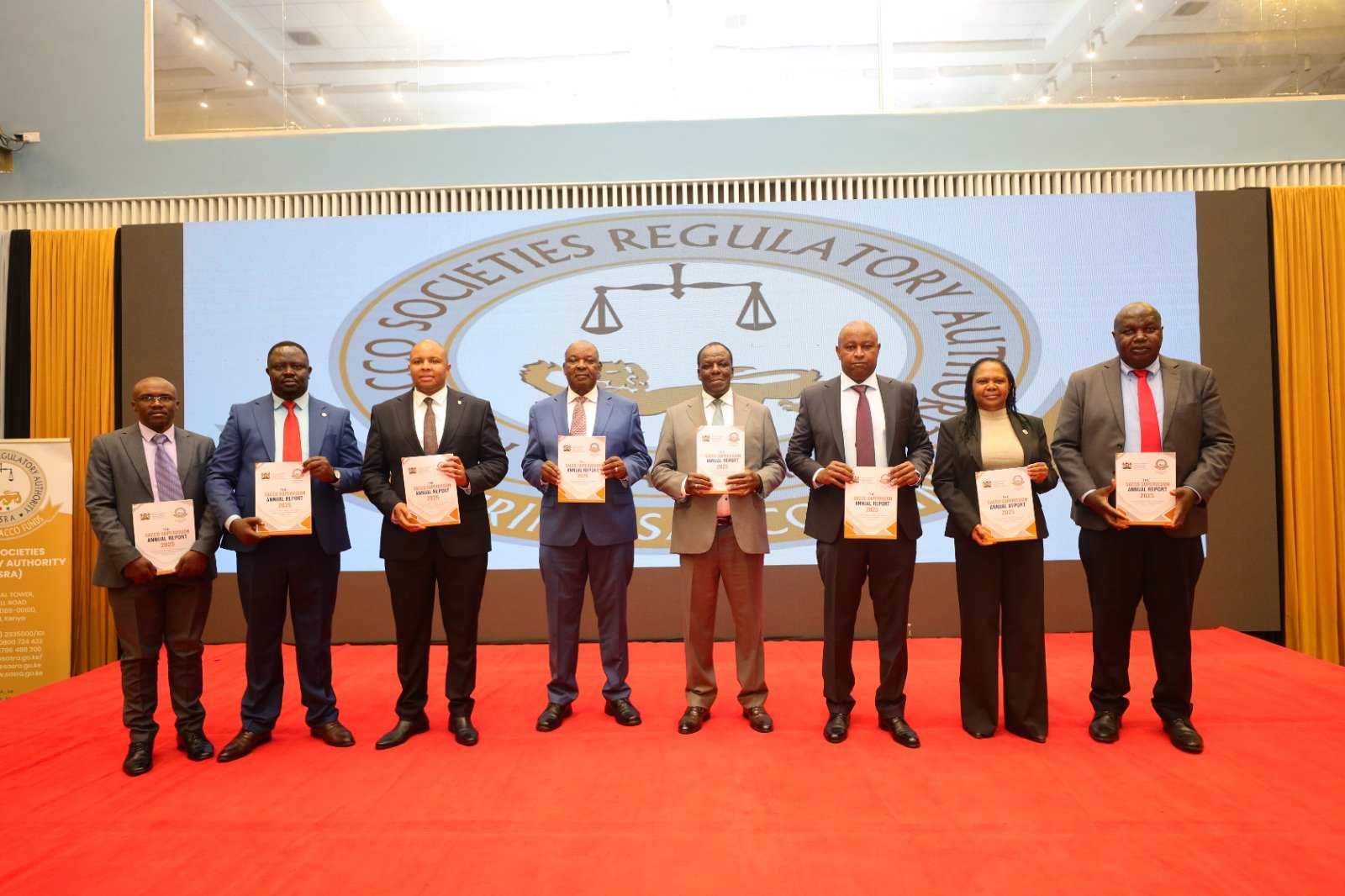
![Kenya's Richest Saccos By their Assets [2026]](https://cdn.prod.website-files.com/6038c1030be2580db46ccf46/6aba762c2657302fef3a5739_top%20image%20%2B%20Templates%20%20-%202026-09-28T170726.154.jpg)

.jpeg)

![You Have Ksh7 Million: Buy a Home in Cash or Rent and Invest? [The 10-Year Numbers]](https://cdn.prod.website-files.com/6038c1030be2580db46ccf46/6abbbdaf2080b24be31d8e0b_top%20image%20%2B%20Templates%20%20-%202026-09-29T162813.614.jpg)