News and Analysis
October 15, 2026


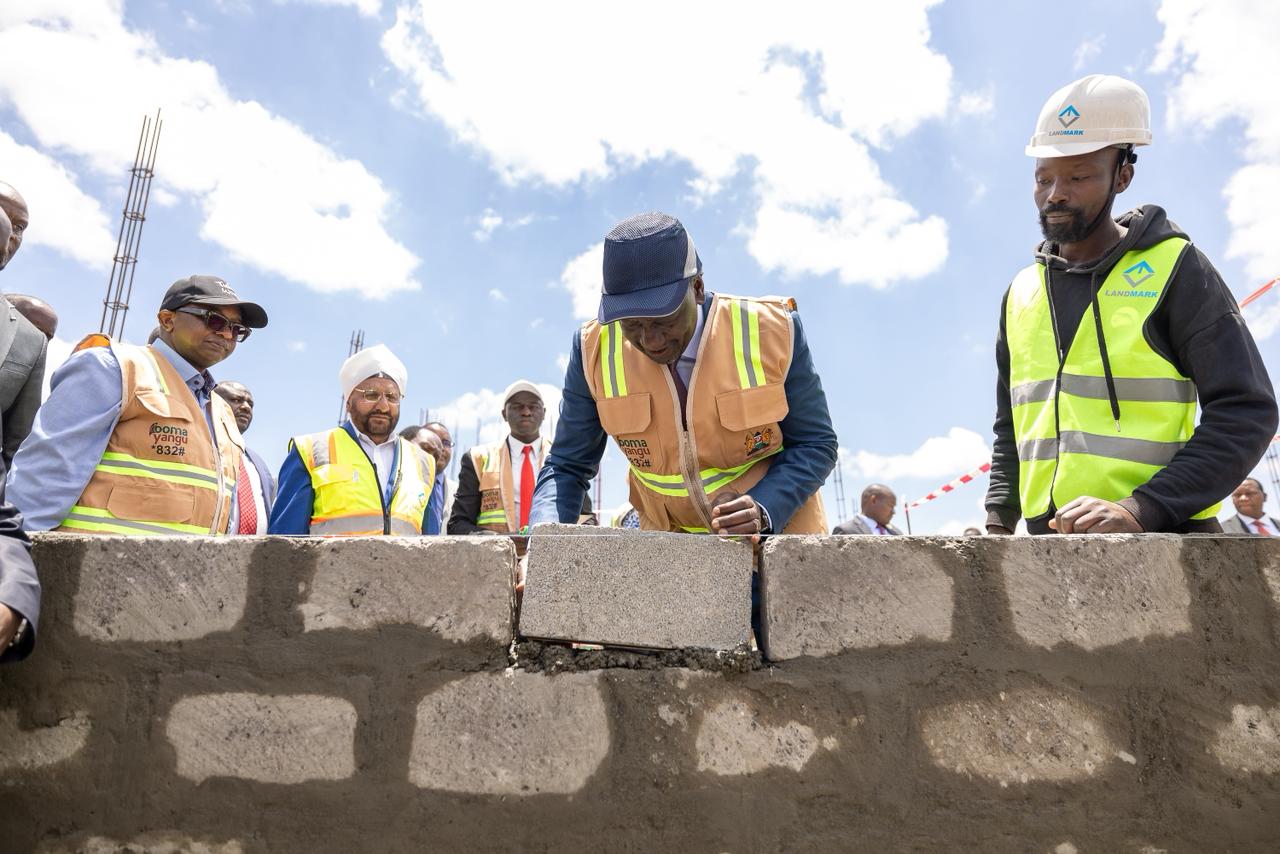
Welcome to the Money News Roundup. Today, we cover KRA’s new powers to recover outstanding Housing Levy payments. We also look at how diesel users missed out on a Ksh14 per litre price cut in the latest EPRA fuel review.
KRA is set to intensify enforcement against workers, traders and employers who fail to pay the housing levy, with defaulters facing account freezes, asset seizures and KRA PIN deactivation.
As reported by the Business Daily, changes introduced under the Finance Act 2026, effective July 1, give KRA explicit powers to recover unpaid housing levies as tax liabilities.
The authority will conduct reconciliations to identify defaulters and recover outstanding amounts.
Its enforcement powers include ordering banks to surrender funds held by taxpayers, restricting property and land, deactivating PINs and imposing travel restrictions.
An audit found that 6,390 companies were remitting Pay-As-You-Earn (PAYE) tax but not the housing levy. Defaults were also reported among informal businesses, including shops, salons and bars.
The Affordable Housing Fund Board estimates that more than Ksh100 billion remains unpaid.
Meanwhile, as reported by Nation, the government has stopped investing housing levy collections in short-term Treasury bills as it accelerates the implementation of affordable housing projects.
Housing PS Charles Hinga said the Affordable Housing Fund currently has zero money invested in Treasury bills, attributing the shift to improved budget absorption and earlier procurement.
Initially, collections exceeded spending, with about Ksh46 billion invested in Treasury bills in February 2025. The investments earned the government Ksh4.2 billion in interest by June 2025.
However, absorption has improved significantly. In the year ended June 2026, the State Department for Housing spent Ksh129.96 billion, representing 92.18% of its Ksh140.99 billion development budget. The levy has raised Ksh206.46 billion over three financial years.
The National Treasury has lowered its 2026/27 income tax collection target by Ksh78.6 billion, from Ksh1.384 trillion to Ksh1.305 trillion, according to the Draft 2026 Budget Review and Outlook Paper.
As reported by the Business Daily, the lower income-tax target could signal PAYE relief for workers, with Treasury CS John Mbadi expected to review the existing tax bands.
The CS is expected to commence public participation on the review of PAYE bands this month and has promised to have the Bill in Parliament by the end of September.
Initially, the government had proposed to make the first Ksh30,000 tax-free. However, other stakeholders are pushing for a uniform reduction for all tax bands.
The PAYE changes were expected to be tabled in February 2026 before being pushed to the 2026 Finance Bill. However, when the bill was published, the proposals were missing.
Diesel consumers have missed out on a potential Ksh14 per litre price cut after the government redirected part of the relief to cushion petrol users.
As reported by Nation, under the latest fuel price review effective August 15 to September 14, diesel prices in Nairobi fell by Ksh5 to Ksh217.86 per litre, while petrol remained at Ksh214.03 and kerosene at Ksh191.38.
Without the cross-subsidy, diesel prices could have dropped by Ksh19.28 to Ksh203.58 per litre, based on lower global and landed costs.
EPRA said Ksh938 million in additional government stabilisation support helped keep petrol and kerosene prices unchanged. The government opted for the cross-subsidy after its fuel stabilisation kitty was nearly depleted following heavy subsidies earlier this year amid global supply disruptions
Agriculture CS Mutahi Kagwe has directed tea factories to reject poor-quality green leaf as the government implements a Ksh7.1 billion programme to modernise processing facilities and improve farmers’ earnings.
As reported by Capital Business, Kagwe said factory upgrades would have limited impact if farmers continued supplying leaf below the recommended “two leaves and a bud” standard.
He said poor-quality leaf lowers tea value and reduces farmers’ returns.
The modernisation programme will also target energy efficiency, processing costs and production of orthodox and speciality teas while expanding access to international markets.
Invest and Grow (IG) Sacco has appointed Mary Awino as its acting Chief Executive Officer, replacing CPA Peter Vuhyah as the Western Kenya-based Sacco undergoes a leadership transition.
According to the Star, Awino previously served as IG Sacco’s finance manager, where she oversaw financial planning, investment management and cost controls. The leadership change comes alongside a board transition, with Rodgers Waswa taking over as chairperson after the retirement of long-serving chairman Kennedy Keya.
IG Sacco’s assets have grown from Ksh800 million to Ksh16 billion over the past two decades, while active membership has surpassed 30,000.
Kenya Airways plans to secure a strategic investor by December 2026 as the government seeks fresh capital to support the airline’s turnaround and reduce its reliance on taxpayer funding.
As reported by the Business Daily, the Treasury said it is working with the national carrier to raise capital from an investor who can help stabilise and expand operations. The process follows a recommendation by Parliament’s Public Accounts Committee for the government to develop a debt management and exit strategy for the airline.
Kenya Airways is seeking about Ksh194.4 billion(USD1.5 billion) from a strategic investor through an international tender.
The government, which owns a 48.9 per cent stake, has pledged to support the airline’s financial obligations during 2026. KQ’s financial position remains strained, with negative equity worsening to Ksh132 billion as liabilities reached Ksh315.2 billion against assets of Ksh183.2 billion.
.png)


Join 1.5M Kenyans using Money254 to find better loans, savings accounts, and money tips today.


Money 254 is a new platform focused on helping you make more out of the money you have. We've created a simple, fast and secure way to find and compare financial products that best match your needs. All of the information shown is from products available at established financial institutions that our team of experts has tirelessly collected.





![Kenya's Richest Counties By Contribution to GDP [2026]](https://cdn.prod.website-files.com/6038c1030be2580db46ccf46/6acf79cc000d099ee32f507a_top%20image%20%2B%20Templates%20%20-%202026-10-14T154332.222.jpg)