News and Analysis
October 12, 2026


Welcome to the Money News Roundup. Today, we explain why the government cannot use billions collected from SGR fares to repay Chinese loans. We also look at a new study revealing that seven in 10 Kenyans are not saving enough for retirement.
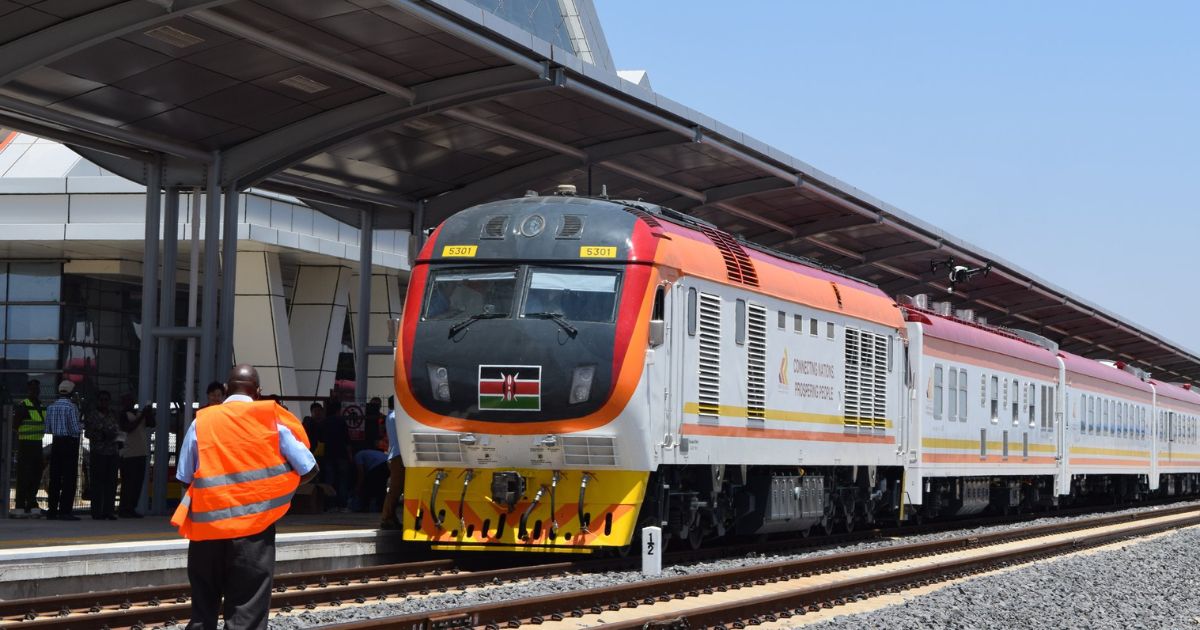
Kenya has Ksh44.63 billion in SGR revenues locked in accounts at KCB Bank due to restrictive loan terms agreed with China’s Exim Bank in 2014.
As reported by the Business Daily, Treasury CS John Mbadi said the funds, collected from passenger fares and freight charges, cannot be used to repay railway loans, forcing the government to rely on taxes to service the debt.
The agreement requires all SGR revenues to be deposited into a joint escrow account managed by Kenya Railways and the Chinese lender.
The Treasury wants to renegotiate the terms, arguing that the arrangement has hindered KRC’s ability to reimburse the government for loans used to construct the railway.
KRC’s outstanding loan balance stood at Ksh547.38 billion in June 2026, representing 53% of the government’s on-lent loan portfolio. Kenya borrowed about Ksh648 billion ($5 billion) for the railway project.
Meanwhile, Kenya’s payments to Chinese lenders fell to Ksh107.74 billion in the year ended June 2026, from Ksh129.35 billion previously, following a restructuring that converted dollar-denominated loans into Chinese yuan and lowered interest costs.
Dangote Petroleum Refinery has extended its IPO deadline by two weeks to October 27, 2026, as Kenyan investors can now participate with as little as Ksh535.
As reported by the Kenyan Wall Street, the IPO, which opened on September 14, was initially scheduled to close on October 13. Nigeria’s Securities and Exchange Commission approved the extension to accommodate strong investor interest and widen participation across Africa.
In Kenya, Renaissance Capital Kenya reduced the minimum subscription from 2,000 Global Depository Receipts (GDRs) to 10 following investor feedback and regulatory approval.
At Ksh53.50 per GDR, the change cuts the minimum investment from Ksh107,000 to Ksh535.
Seven in 10 Kenyans are not saving enough for a comfortable retirement, with family expenses, low incomes and debt repayments limiting their ability to save, a SanlamAllianz Kenya study has found.
As reported by Capital Business, the survey found that 44% cited family expenses as their biggest barrier, while 37% pointed to low or irregular income. Additionally, 62% said supporting dependants reduced their savings.
The study found that 26% of respondents who left jobs or businesses withdrew all their retirement savings, while 53% regretted withdrawing at least part of their funds.
Only 29% knew their expected monthly retirement income, while 53% lacked medical savings plans.
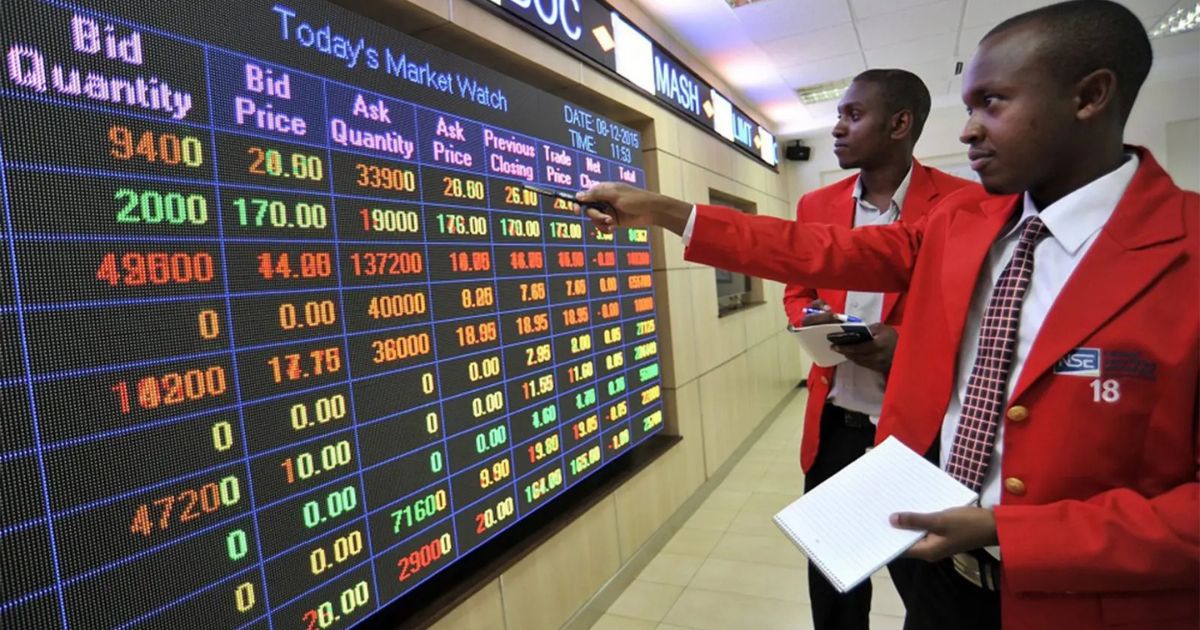
The NSE lost Ksh40.06 billion in market capitalisation in the week ended October 9, extending two-week losses to Ksh60.06 billion as foreign investors intensified selling.
The Kenyan Wall Street reports that market capitalisation fell to Ksh4.11 trillion, while the NSE All Share Index declined 0.97% to 244.93 points. Foreign investors recorded net outflows of Ksh741.92 million, while equity turnover dropped 14.21% to Ksh1.96 billion.
Car & General led year-to-date gainers, surging 449.51% to Ksh280.25, followed by I&M Holdings, up 106.12%.
Kenya plans to introduce an over-the-counter (OTC) platform for government securities to improve liquidity and strengthen the domestic debt market.
As reported by Bloomberg, the Public Debt Management Office (PDMO) said the dealer-driven market is part of reforms aimed at improving public debt management, although implementation timelines remain unspecified.
The Treasury also plans to pilot market-making for selected benchmark bonds after establishing the platform.
Other measures include publishing a domestic debt issuance calendar, conducting annual debt sustainability analyses and establishing an investor relations unit at Treasury.
Passengers could soon have greater access to information on matatu and bus safety under proposed changes to Kenya’s transport regulations.
As reported by the Star, the National Transport and Safety Authority (Amendment) Bill, 2026, seeks to introduce licensing and regulation of conformity assessors responsible for verifying whether PSV bodies meet technical standards.
The proposal could pave the way for passengers to check vehicle compliance before boarding through an application, website, SMS or USSD service, following a recommendation by petitioner Juma Patrick Kurwa.
Kenya's PhD graduates fell 16.6 per cent to 852 in 2025, down from 1,022, as research funding dried up. The Commission for University Education warns this threatens faculty replenishment and knowledge generation.
The Business Daily reports that lecturers declined to 6,606 while tutorial fellows fell to 2,970. Adjunct staff more than doubled to 1,611, shifting workforce composition. Doctoral enrolment dropped 5.6 per cent to 8,180, with only 11 per cent completing within three years against a 20 per cent benchmark.
The 852 graduates represent just 35.5 per cent of the national target of 2,400. The student-to-academic-staff ratio in public universities worsened from 44:1 to 51:1. CUE recommends targeted postgraduate bursaries, research fellowships, and industry-linked programmes to arrest the decline.
Also in the News
.png)


Join 1.5M Kenyans using Money254 to find better loans, savings accounts, and money tips today.


Money 254 is a new platform focused on helping you make more out of the money you have. We've created a simple, fast and secure way to find and compare financial products that best match your needs. All of the information shown is from products available at established financial institutions that our team of experts has tirelessly collected.