News and Analysis
October 9, 2026


Hello and welcome to the Money News Roundup. Today, we unpack the unfolding financial crisis at SIC and what it means for investors. We also examine EPRA’s crackdown on petrol stations selling fuel above regulated prices.
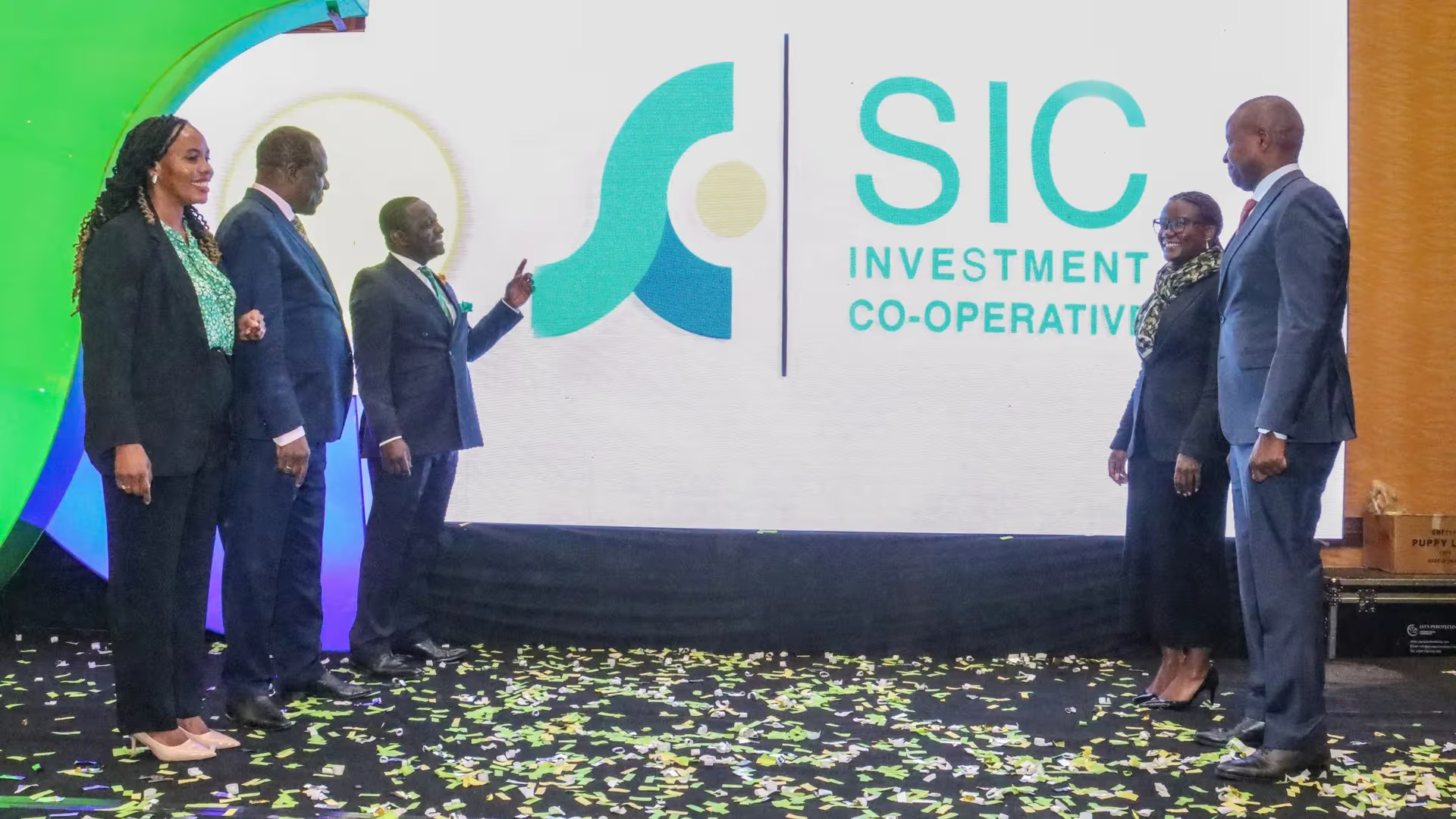
SIC, an investment cooperative associated with Qona Sacco (formerly Safaricom Sacco), is facing growing losses over liquidity challenges at the company, disputed asset valuations, and stalled projects.
As reported by NTV, the company’s acting CEO, Jared Odhiambo, acknowledged that SIC has been struggling financially, reporting losses of over Ksh100 million.
He attributed the situation to liquidity constraints that have affected ongoing operations and investor returns.
Former financial manager Enosh Isoe has further alleged accounting irregularities, claiming there was cooking of books to mask the true financial position of the firm. He pointed to discrepancies in audited reports where SIC declared land assets valued at Ksh2.6 billion, despite internal estimates placing the actual value at Ksh1.6 billion.
Investors are now said to have lost nearly Ksh2 billion due to failed land acquisitions, ownership disputes, and undeveloped plots. Additional setbacks include Ksh245 million tied to unsellable land in areas such as Machakos and Kisumu due to rocky terrain.
A housing project valued at Ksh588 million has also stalled after contractors abandoned the site, with costs rising to Ksh785 million.
Also Read: All About Tower Sacco That Paid the Highest Dividends This Year (20%)
Among affected investors is Samuel Mbugua, who in 2022 purchased land in Kiambu for Ksh1.5 million after being assured of a Ksh3.6 million valuation. He planned to finance the balance through a bank loan, but mid-way into the repayment - in 2024 - was asked to clear the balance in 15 days or risk repossession. However, the company itself has been unable to refund his initial payment due to financial distress.
The troubles at SIC come at a time when Kencom SACCO is racing to sell land and secure a foreign loan to repay a Ksh183 million debt owed to KUSCCO after a tribunal granted it 90 days to present a repayment plan.
As reported by the Business Daily, the Sacco has admitted it lacks liquid assets and is relying on asset sales, including land in Mavoko, and advanced talks for external financing.
The Cooperative Tribunal suspended warrants of arrest against SACCO officials for three months but declined to lift them, saying liability had not been disproved. The SACCO must now negotiate a payment plan and report progress in July or face enforcement action as creditors pursue recovery of the remaining debt.
Save Money and Earn Competitive Interest with Kenya's Largest MMF
Looking for a secure way to grow your money? Money254 has partnered with SanlamAllianz MMF — the largest MMF in Kenya with Ksh118 billion in assets under management, operating in 70 countries across 5 continents.
With SanlamAllianz MMF, you earn daily interest compounded monthly, transfer money from M-Pesa for free, and withdraw anytime without losing interest.
Ready to grow your wealth? Join SanlamAllianz MMF Now.

Oryx Energies Kenya has rejected the government’s cancellation of its super petrol import contract, insisting the deal was legally binding and warning of possible legal action.
The Swiss-owned firm says the agreement, awarded in March to import 96,000 tonnes of petrol, followed a documented procurement process and cannot be terminated outside agreed contractual terms.
In a letter to the Energy Ministry, Oryx argued that the cancellation notice issued on March 31 violated Clause 16 of the contract, which outlines strict conditions for termination.
As reported by the Business Daily, the firm maintained that none of these conditions had been met, effectively rendering the cancellation invalid.
The dispute exposes Kenya to a potential lawsuit, as Oryx had already committed to suppliers and logistics for two shipments.
The first cargo of 36,000 tonnes had already arrived at the Port of Mombasa, while a second shipment of 60,000 tonnes was en route. Both consignments were later diverted to Tanzania, escalating the standoff.
Oryx warned that the abrupt cancellation placed it in a difficult financial and operational position, increasing the likelihood of compensation claims. Despite this, the company signalled openness to negotiations.
The government cancelled the deal, alongside another awarded to One Petroleum, arguing the imports were outside the state’s government-to-government fuel framework and would have raised pump prices by at least Ksh14 per litre.
Also Read: All You Need to Know About Username SACCO
EPRA has issued show-cause letters to 14 petrol stations across the country, accusing them of selling fuel above the approved pump prices.
The enforcement action targets pricing violations identified during a compliance sweep conducted between late March and April 10.
While the stations were not named, the Star reports that stations in Kirinyaga, Trans Nzoia, Meru and Kilifi counties are among those flagged.
The operators were given 14 days to explain why regulatory action should not be taken against them. The fuel stations face fines, suspension, or revocation of operating licences.
The crackdown comes amid sustained pressure in the fuel market, marked by supply concerns, rising global oil prices, and increased scrutiny over retail pricing practices.
Currently, Super Petrol retails at Ksh178.28 per litre, Diesel at Ksh166.54, and Kerosene at Ksh152.78 in Nairobi.
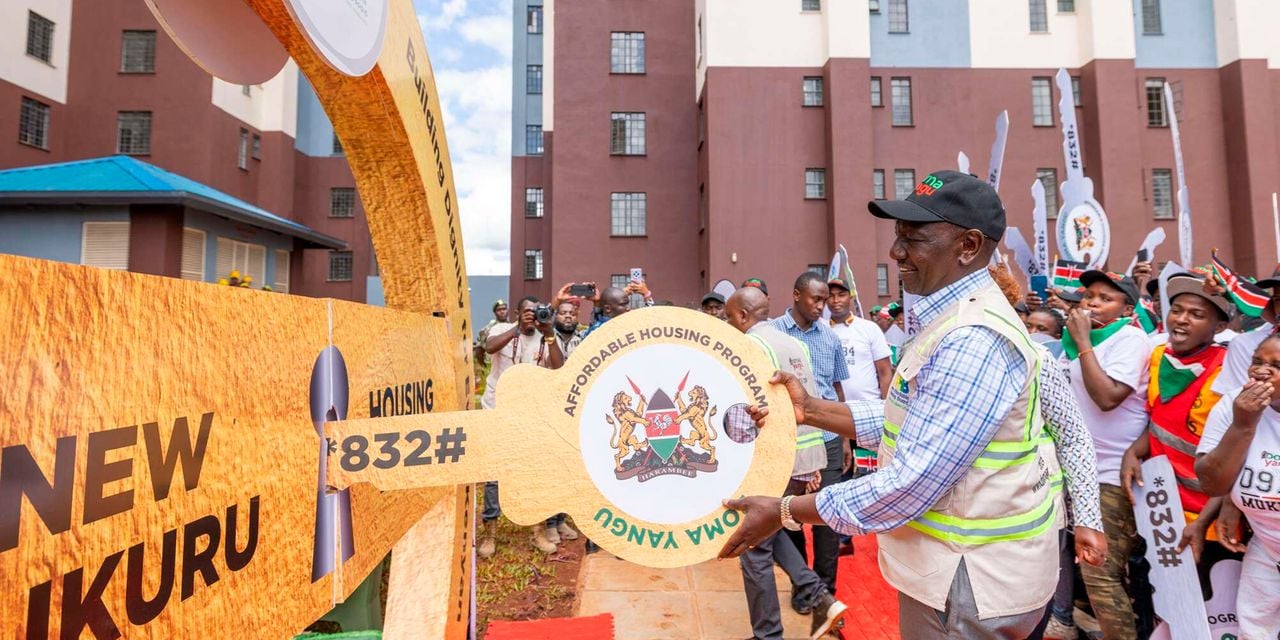
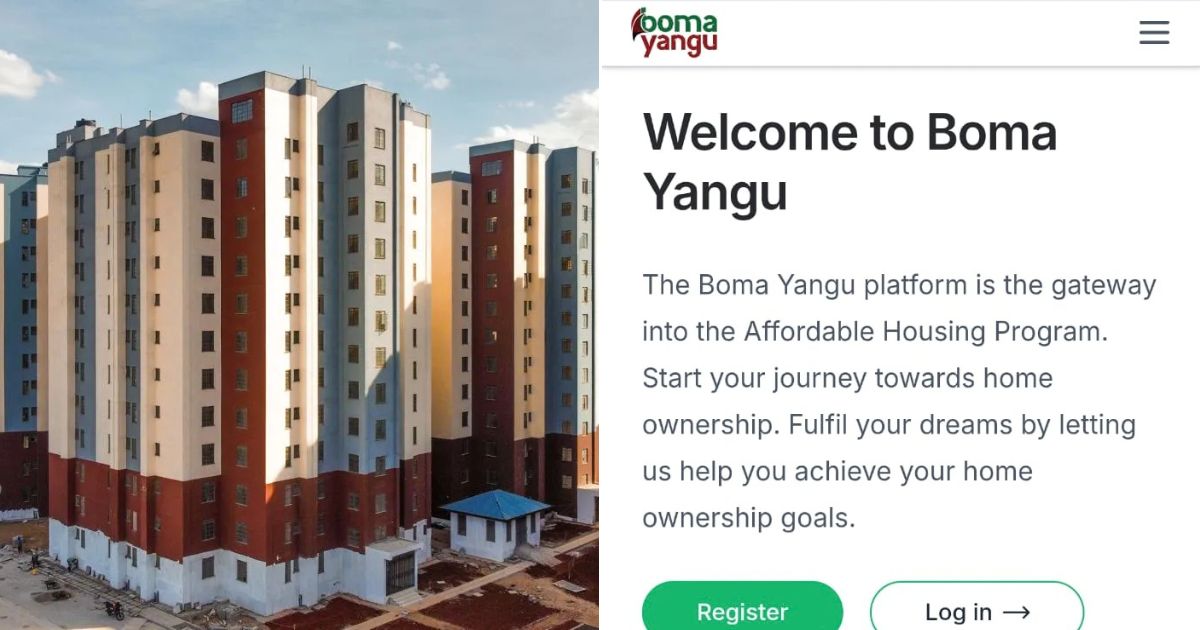
Nearly 80% of Kenyans registered on the Boma Yangu portal have not made any contributions toward the required 5% deposit needed to qualify for affordable housing allocation.
As reported by Nation, data shows 653,182 out of 816,780 registered users have not saved, leaving only 163,598 contributors.
Of these, 98% have saved below Ksh100,000, with just 46 surpassing Ksh1 million.
Applicants must save at least 5% of a unit’s value despite the 1.5% housing levy deducted from salaries. The levy has raised Ksh125 billion since March 2024, with Ksh73.1 billion collected in the year to June 2025.
The fund stood at Ksh1.08 billion by May 2025, largely invested in Treasury bills. Meanwhile, 210,446 housing units are under construction, expected by June 2026, though uptake remains slow due to low savings among applicants.
MPs have questioned a Ksh300 billion public-private partnership between the National Transport and Safety Authority (NTSA) and Pesa Print Limited for the production of smart driving licences over 21 years.
The National Assembly’s Public Debt and Privatisation Committee criticised the move, arguing that NTSA was handing over a highly profitable service that had already generated strong returns. Data showed the project earned Ksh6.7 billion against an investment of Ksh1.2 billion.
As reported by the Star, MPs warned the deal could allow the private partner to earn up to Ksh600 billion in profits, with projections indicating total revenues of Ksh900 billion, of which 76% would go to the firm.
NTSA Director General Nashon Kondiwa defended the PPP, citing underfunding that slowed expansion despite issuing 2.7 million licences against a 5 million target. He said the model would unlock financing and expand services nationwide.
However, lawmakers raised concerns over due process, profitability, and long-term revenue loss to private interests.
Also Read: Jackfruit SME Loan: A Gamechanger for Small Businesses
Jubilee Holdings Limited reported an 18% rise in net profit to Ksh 5.55 billion in 2025, capping a decade of strong growth that has seen earnings per share double.
As reported by the Kenyan Wall Street, total assets tripled to Ksh251.08 billion, while shareholders’ funds rose to Ksh55.61 billion. Gross premiums grew 18% to Ksh 62.40 billion, supported by Life and Health segments.
Profit before tax rose to Ksh7.18 billion, with improved underwriting margins.
Investment income remained a key driver, generating Ksh 4.51 billion. However, the Health unit’s profit fell to Ksh424.84 million due to rising claims, though corrective measures are underway.
As a result, the firm declared a Ksh15 per share dividend.
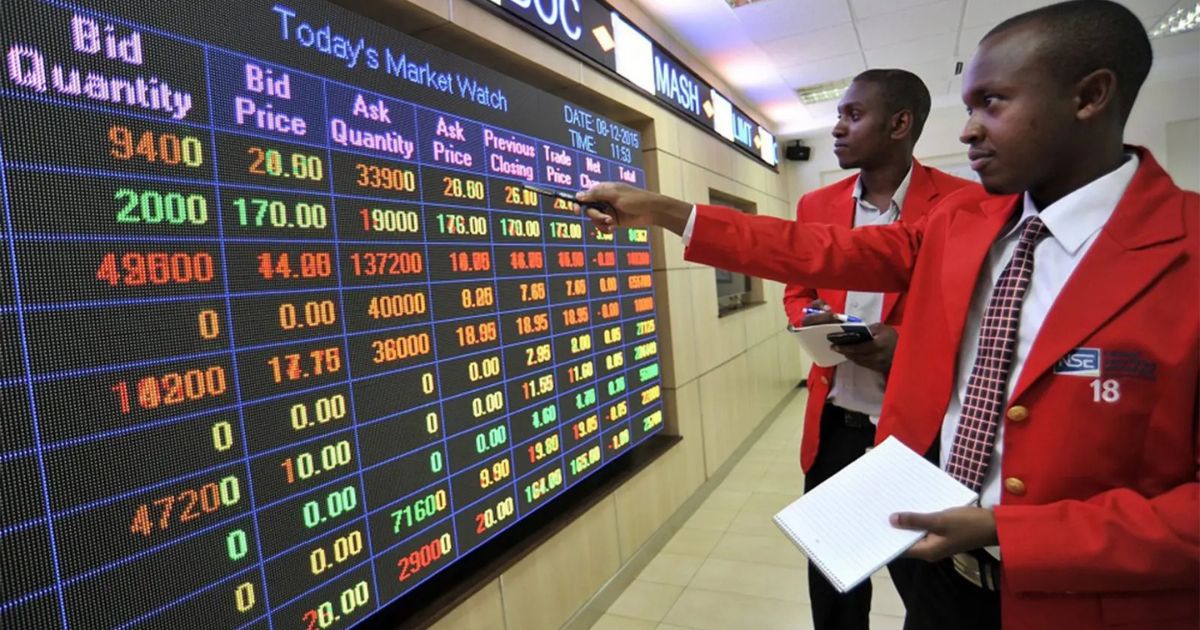
The Nairobi Securities Exchange extended its recovery for a second week, adding Ksh128.42B in market capitalisation to close at Ksh3.5 trillion, a 3.89% gain and its strongest weekly performance since February.
As reported by the Kenyan Wall Street, the rally erased more than half of the Ksh231.17 billion lost during the Week 13 selloff, with the All Share Index also rising 3.89% to 207.01.
Gains were broad-based, led by banking and blue-chip stocks, while Kenya Airways surged 25.91%. However, foreign investors remained net sellers for the sixth straight week, pulling out Ksh940.08 million, signalling caution despite rising prices.
Recently, CBK held rates at 8.75%, easing fears of tightening, while the shilling stayed stable at Ksh129.53 per dollar.
CBK has lowered its 2026 diaspora remittance projection by Ksh40 billion ($313 million), citing reduced inflows from the Middle East amid the Iran war and new transaction taxes in Saudi Arabia.
As reported by the Business Daily, the bank now expects inflows of Ksh659 billion ($5.1 billion), up just 1.4% from 2025, down from an earlier 6% growth forecast.
CBK Governor Kamau Thugge said disruptions in the Gulf, which accounts for about 10% of remittances, alongside weaker global growth, are slowing inflows.
Saudi Arabia has been a key driver of the decline after introducing VAT on transfers and labour reforms that have affected Kenyan workers’ earnings and mobility.
Diaspora remittances remain Kenya’s largest forex source, with the US accounting for over half of total inflows.
The Democratic Republic of Congo’s central bank has announced a ban on the use of US dollars and other foreign currencies for cash transactions, effective April 9, 2027.
As reported by New Vision, the Central Bank of Congo (BCC) said all cash payments must be made in the local franc, with foreign currencies only allowed electronically through bank transfers.
Governor André Wameso said the move aims to curb money laundering and terrorist financing as well as restore confidence in the weakening currency, which trades at about 2,300 francs to the dollar (about Ksh129). The dollar has dominated everyday transactions since the 1990s, following hyperinflation that once hit 2,000%.
Despite previous failed attempts to de-dollarise the economy, authorities hope tighter controls will strengthen the franc in a country where most transactions above small amounts are currently dollar-based.
The government is planning a nationwide expressway network to ease congestion and boost investment, with the KeNHA developing a master plan for major corridors.
The study will identify highways suitable for upgrading to expressway standards and propose the creation of an Expressways Authority.
KeNHA says key routes such as the Northern Corridor and roads linking Nairobi to Central and Eastern Kenya are increasingly clogged, slowing economic activity. Kenya currently has only one expressway, the 27-kilometre Nairobi Expressway.
Pipeline projects include the Ksh236 billion Rironi–Mau Summit toll road, part of the Northern Corridor, and the proposed Nairobi–Mombasa Expressway, expected to be the country’s longest
Plans are also underway to upgrade the Mau Summit–Eldoret–Malaba highway into a dual carriageway under a PPP. Read more.
The National Treasury has increased its domestic borrowing target by 52.29% or Ksh570 billion for the 2025/26 financial year, raising concerns over tighter credit for households and businesses.
As reported by the Business Daily, the revised target now stands at Ksh1.66 trillion, up from Ksh1.09 trillion, with Ksh965.87 billion already borrowed.
Treasury data shows net domestic borrowing of Ksh1.12 trillion and Ksh544.25 billion in debt rollovers, as the government faces a financing gap of Ksh1.79 trillion. Revenue projections have also been raised to Ksh5.15 trillion, though Ksh3.36 trillion has been collected so far.
Officials say Ksh904 billion is still needed domestically, with KRA expected to collect Ksh883 billion. The Treasury is also exploring external funding, including Eurobond balances and World Bank support, to ease pressure on local markets and avoid crowding out private sector credit.
The Kenya Women Teachers Organisation (KEWOTA), led by CEO Benta Opande, is facing scrutiny over allegations of internal governance and payroll practices.
KEWOTA, draws contributions from about 95,000 female teachers, each contributing Ksh200 monthly, generating an estimated Ksh19 million per month.
Concerns have emerged over claims that a significant portion of the organisation’s payroll is allocated to close family members.
As reported by the Standard, the CEO’s son, daughter, and other relatives are employed in various departments, earning between Ksh200,000 and Ksh250,000 monthly, alongside consultancy and regional office roles.
These allegations have sparked questions over hiring practices, accountability, and the use of member contributions within the organisation. KEWOTA has not issued an official response to the claims as scrutiny over its governance structure continues to grow among stakeholders.
.png)


Join 1.5M Kenyans using Money254 to find better loans, savings accounts, and money tips today.


Money 254 is a new platform focused on helping you make more out of the money you have. We've created a simple, fast and secure way to find and compare financial products that best match your needs. All of the information shown is from products available at established financial institutions that our team of experts has tirelessly collected.